
The ROI of Women's Health: Boosting the Bottom Line
Discover why investing in a holistic women health platform is no longer just an HR perk, but a strategic corporate imperative that drives retention and bottom-line ROI.

In boardrooms across the globe, C-suite executives meticulously analyze supply chain efficiencies, software utilization, and overhead costs. Yet, one of the most significant leaks in corporate profitability remains conspicuously absent from the ledger: the unchecked economic toll of women's health. According to a landmark report by the McKinsey Health Institute, addressing the female health gap could add an astonishing $1 trillion to the global economy annually by 2040. For modern enterprises, deploying a comprehensive women health platform is no longer just a progressive HR perk—it is a critical imperative for the bottom line. When organizations ignore the unique physiological needs of half their workforce, they pay a hidden tax in the form of presenteeism, absenteeism, and lost leadership talent.
The Hidden Tax on Corporate Productivity
Historically, corporate wellness programs have treated employee health as a monolithic, gender-neutral expense. This generalized approach severely underestimates the impact of female-specific health challenges. When preventive healthcare for women is marginalized, the financial repercussions ripple through every department. Understanding the business case for investing in female wellness requires examining the conditions that silently drain corporate output.
The Silent Drain of Endometriosis and PCOS
Consider the daily realities of your workforce. Up to 10% of women of reproductive age suffer from endometriosis, while a similar percentage navigate the complexities of Polycystic Ovary Syndrome (PCOS). The persistent pain of endometriosis and the systemic disruptions caused by PCOS symptoms—ranging from severe metabolic shifts to chronic fatigue—are major drivers of workplace presenteeism. Without adequate endometriosis support or proactive management strategies, affected employees may push through the workday at a fraction of their usual cognitive capacity. This productivity loss is rarely categorized correctly in HR systems; it simply registers as generic sick leave or reduced output. Providing targeted resources for menstrual health and managing hormonal imbalance transforms these invisible struggles into manageable conditions, directly reclaiming lost productivity.
Menopause: The Leadership Leak
Perhaps the most costly oversight in corporate health strategies occurs at the peak of a woman's career. The onset of menopause typically aligns with a woman's ascension into senior management and executive roles. A staggering number of highly experienced professionals leave the workforce entirely due to unmanaged menopause symptoms, which can include severe brain fog, sleep deprivation, and extreme temperature fluctuations. Providing structured menopause support is fundamentally a talent retention strategy. When companies fail to support hormone health, they risk losing decades of institutional knowledge, leading to exorbitant executive replacement costs.
Why Leading MNCs Are Pivoting to Preventive Healthcare
The world's most profitable companies do not make investments based purely on optics; they follow the data. Organizations like Apple, Google, and Salesforce have recognized that robust women wellness initiatives yield tangible returns. By transitioning from reactive care to proactive health management, these Fortune 500 leaders are setting a new standard for organizational resilience.
According to recent industry analyses, companies that offer specialized reproductive and cycle health benefits experience a 20% higher retention rate among female employees compared to their peers.
For example, Apple and Meta pioneered corporate fertility benefits, recognizing that comprehensive fertility health and reproductive health coverage are massive differentiators in the war for top-tier talent. Similarly, Deloitte has expanded its holistic wellness frameworks to ensure that female health awareness is culturally embedded across its global offices. These companies understand that a workforce unburdened by neglected health issues is inherently more agile, creative, and productive.
The Hard ROI of Digital Women Healthcare
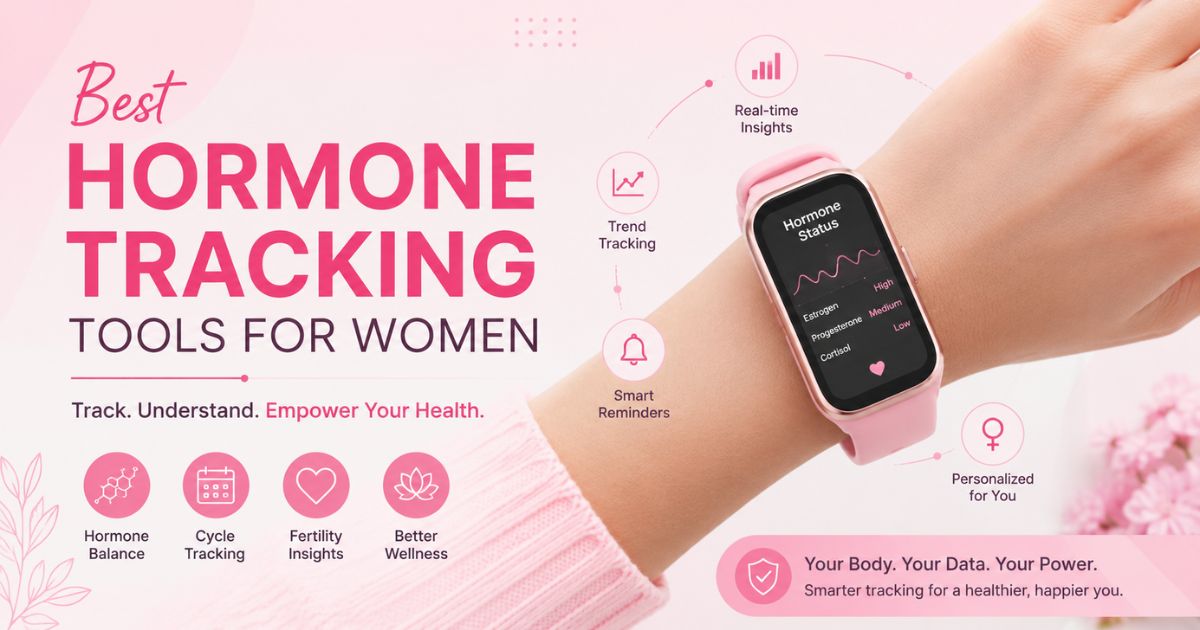
Transitioning to a modern digital women healthcare infrastructure offers quantifiable returns that CFOs can measure. By integrating digital solutions, enterprises can track aggregated, anonymized health data to better allocate their corporate insurance budgets.
Retention Over Recruitment
The cost of replacing a mid-to-senior level employee can range from one-half to two times their annual salary. When an employee relies on a corporate-sponsored women healthcare app for vital services like customized period tracking or tele-health consultations, their tether to the organization strengthens. Effective women health solutions build profound employee loyalty. When a woman feels that her employer actively invests in her specific biological needs, voluntary turnover drops significantly.
Reducing Healthcare Premiums Through Preventive Action
Acute medical interventions are expensive. Unmanaged gynecological conditions often lead to emergency room visits, costly surgeries, and prolonged medical leave. By promoting early detection and consistent cycle health management, companies can help employees avoid severe health crises. Offering comprehensive women fitness and nutrition programming tailored to different life stages—from postpartum recovery to perimenopause—fosters an environment where lifestyle interventions replace costly medical procedures. Over time, this proactive approach stabilizes corporate healthcare premiums.
Leveraging AI Healthcare for Women to Drive Business Outcomes
The intersection of artificial intelligence and enterprise wellness is reshaping the corporate landscape. AI healthcare for women is moving beyond basic symptom tracking to offer hyper-personalized, predictive health insights. Imagine a platform that analyzes a user's biometric data to predict potential flare-ups of chronic conditions, subsequently recommending specific nutritional adjustments or stress-reduction techniques.
These platforms do more than just monitor biology; they actively protect women mental wellness. The psychological toll of navigating complex reproductive issues is a leading cause of workplace burnout. AI-driven platforms can connect users with behavioral health specialists the moment predictive algorithms detect prolonged stress markers. By providing a secure, intelligent ecosystem, companies empower their female employees to optimize both their physical and mental output.
A Blueprint for Modern Enterprises: Integrating Women Wellness
Transitioning from awareness to action requires a strategic rollout. Implementing a successful female health initiative demands more than simply adding a flyer to the HR portal. It requires an integrated, culture-shifting approach.
- Audit Current Benefits: Evaluate existing insurance policies to identify gaps in fertility, maternity, and menopause coverage.
- Deploy a Unified Platform: Partner with a premium health ecosystem (like NexaFem) that centralizes tele-health, AI-driven insights, and personalized care planning.
- Destigmatize the Conversation: Train leadership to cultivate psychological safety around topics like menstrual leave and gynecology patients' needs without violating privacy.
- Personalize the Interventions: Ensure the deployed technology adapts to the individual, offering diverse resources ranging from nutritional coaching to clinical referrals.
- Track Aggregate Outcomes: Use anonymized data to measure the reduction in absenteeism and the uptick in employee engagement post-implementation.
Key Takeaways
- Closing the female health gap presents a $1 trillion global economic opportunity, translating to direct ROI for forward-thinking enterprises.
- Unmanaged conditions like PCOS, endometriosis, and menopause symptoms are hidden taxes on corporate productivity, causing high rates of presenteeism and executive turnover.
- Fortune 500 leaders like Apple and Salesforce use specialized reproductive and health benefits as critical tools for talent acquisition and retention.
- Integrating advanced digital health platforms and AI-driven solutions significantly lowers acute healthcare costs by emphasizing preventive, personalized care.
- A proactive approach to female wellness safeguards institutional knowledge, reduces recruitment overhead, and stabilizes long-term corporate healthcare premiums.
Final Thoughts
The era of treating employee health as a generic checklist has passed. Today's corporate leaders must recognize that biological realities directly impact business realities. Investing in a robust, AI-powered ecosystem designed specifically for the female workforce is not merely a gesture of goodwill; it is a calculated, high-yield business strategy. By embracing the next generation of women's preventive care with NexaFem, your organization can reclaim lost productivity, secure top-tier leadership talent, and build a resilient, deeply loyal workforce. The ROI is clear—it's time to make women's health a cornerstone of your corporate success.
Frequently Asked Questions
Share this post
Comments (0)
No comments yet. Be the first to comment!