

Social Media Pressure & Teenage Mental Health: How to Protect Emotional Well-Being in the Digital Age
Learn how social media pressure affects teenage mental health, warning signs, healthy habits, treatment options, and prevention strategies.
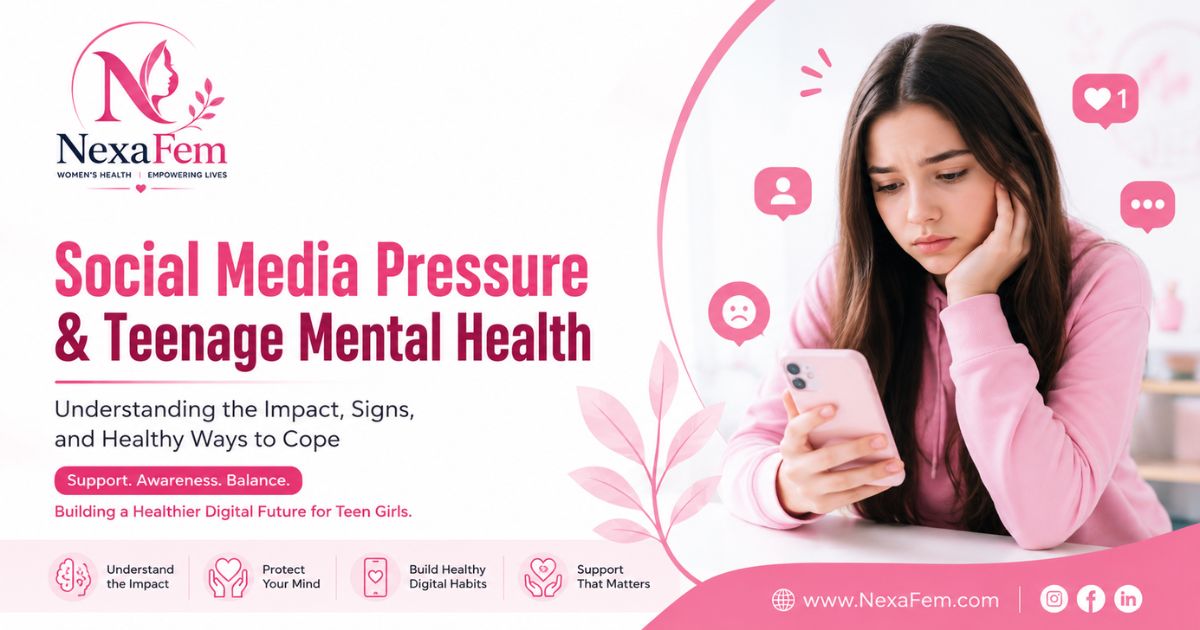
For today's teenagers, social media is more than entertainment—it's where friendships grow, trends spread, identities develop, and memories are shared. While these platforms offer connection and creativity, they can also create constant pressure to look perfect, stay popular, and always be "online."
Many parents notice mood changes, increased anxiety, or lower self-esteem in their daughters but struggle to understand whether social media is contributing to these challenges. At the same time, many young women feel overwhelmed by comparison, fear of missing out (FOMO), cyberbullying, or unrealistic beauty standards without realizing how deeply these experiences affect their mental health.
The good news is that social media itself is not inherently harmful. The key lies in learning how to use it in healthy, balanced ways while recognizing when it begins to negatively affect emotional well-being.
This guide explores the relationship between Social Media Pressure and teenage mental health, including the signs to watch for, practical coping strategies, and how families can create healthier digital habits together.
Quick Summary (TL;DR)
Social media can positively connect teenagers but may also contribute to anxiety, stress, body image concerns, and low self-esteem.
Excessive comparison, cyberbullying, disrupted sleep, and constant online validation can affect emotional well-being.
Healthy social media habits, family support, and early mental health care can reduce long-term risks.
Professional support is important if emotional distress persists or begins affecting daily life.
Preventive digital wellness plays an important role in protecting teenage mental health.
What Is Social Media Pressure?
Social Media Pressure refers to the emotional, psychological, and social stress people experience from using social media platforms.
It may involve pressure to:
Look attractive at all times
Gain likes and followers
Keep up with trends
Compare achievements with others
Respond immediately to messages
Maintain a carefully curated online image
For teenagers, whose brains are still developing emotionally and socially, these pressures can have a greater impact than they often do in adulthood.
According to the World Health Organization (WHO), adolescent mental health is shaped by biological, psychological, family, school, and digital environmental factors. Responsible digital use is increasingly recognized as part of overall well-being.
Why Are Teenagers More Vulnerable?
Adolescence is a period of rapid emotional, hormonal, and brain development.
During this stage, teenagers naturally seek:
Acceptance
Identity
Independence
Social belonging
Social media amplifies these developmental needs by making peer approval visible through likes, comments, shares, and follower counts.
This creates an environment where self-worth can become tied to online feedback instead of internal confidence.
How Does Social Media Affect Teenage Mental Health?
Research suggests that the impact depends less on whether teenagers use social media and more on how they use it.
Healthy use may encourage:
Social connection
Educational learning
Creativity
Community support
However, problematic or excessive use has been associated with increased emotional distress.
Common mental health effects include:
Increased Anxiety
Many teenagers experience Social Media Anxiety in Teens due to:
Fear of missing out (FOMO)
Waiting for responses
Comparing themselves with others
Fear of negative comments
Constant notifications
Persistent anxiety may interfere with concentration, school performance, and sleep.
Lower Self-Esteem
Filtered images and carefully edited lifestyles often create unrealistic expectations.
Teenagers may begin believing they are:
Not attractive enough
Not successful enough
Not popular enough
Over time, these comparisons can reduce confidence and increase feelings of inadequacy.
Depression Symptoms
Studies have found associations between problematic social media use and symptoms such as:
Persistent sadness
Loss of motivation
Social withdrawal
Feelings of loneliness
Reduced enjoyment in daily activities
Social media alone does not cause depression, but it may worsen existing vulnerabilities.
Body Image Concerns
Appearance-focused content may contribute to:
Body dissatisfaction
Unhealthy dieting
Excessive exercise
Disordered eating behaviors
Girls are particularly vulnerable to appearance-based comparison during adolescence.
If your daughter struggles with body confidence, reading about healthy body image during puberty may provide additional support.
Signs That Social Media Is Affecting Mental Health
Watch for changes that persist for several weeks, including:
Increased irritability
Mood swings
Sleep problems
Loss of interest in hobbies
Constant phone checking
Isolation from family
Declining academic performance
Increased anxiety
Emotional dependence on likes or comments
One sign alone does not confirm a mental health problem, but several occurring together deserve attention.
Can Hormones Make Social Media Stress Feel Worse?
Yes.
Hormonal changes during puberty influence:
Emotional regulation
Mood
Stress responses
Sleep
Self-confidence
Fluctuating estrogen and progesterone levels may increase emotional sensitivity around menstruation.
This means online criticism, comparison, or rejection may feel even more intense during certain phases of the menstrual cycle.
Understanding teen menstrual health and recognizing hormonal changes can help families better support emotional well-being.
For teenagers who experience mood changes around their periods, digital symptom tracking through an AI Cycle Tracker may help identify patterns between hormonal changes, sleep, emotions, and menstrual cycles. These tools are designed to support awareness rather than diagnose mental health conditions.
Risk Factors
Some teenagers are more vulnerable than others.
Risk factors include:
Previous anxiety
Depression
ADHD
Low self-esteem
Body image concerns
Cyberbullying
Poor sleep
Family conflict
Excessive daily screen time
Lack of offline friendships
Experiencing one or more risk factors does not mean a teenager will develop mental health problems, but it highlights the importance of early support.
What Is Cyberbullying?
Cyberbullying involves repeated harmful behavior through digital platforms.
Examples include:
Harassment
Rumors
Public embarrassment
Fake accounts
Threatening messages
Sharing private images without consent
According to the CDC, cyberbullying can significantly affect adolescents' emotional health and increase the risk of anxiety and depression.
Parents should encourage teenagers to report online harassment rather than handling it alone.
How Is Social Media-Related Anxiety Diagnosed?
There is no specific medical test.
Healthcare professionals evaluate:
Emotional symptoms
Daily functioning
Sleep
Academic performance
Relationships
Screen use habits
Mental health history
A pediatrician, family physician, psychologist, or psychiatrist may recommend additional assessment if needed.
Treatment Overview
Treatment depends on the severity of symptoms.
Options may include:
Lifestyle Changes
Reducing unnecessary screen time
Better sleep routines
Daily physical activity
Mindfulness practices
Balanced nutrition
Offline hobbies
Psychological Therapy
Evidence-based therapies such as Cognitive Behavioural Therapy (CBT) can help teenagers develop healthier thinking patterns and coping skills. The NHS recommends CBT for many anxiety-related conditions.
Medication
Medication is generally considered only when clinically appropriate and should always be prescribed and monitored by a qualified healthcare professional.
Healthy Social Media Habits
Developing Healthy Social Media Habits can significantly reduce emotional stress.
Helpful strategies include:
Set daily screen-time limits.
Turn off non-essential notifications.
Follow educational and uplifting accounts.
Unfollow content that triggers comparison.
Keep phones out of the bedroom at night.
Schedule regular screen-free activities.
Spend time with friends in person.
Practice mindful scrolling instead of automatic browsing.
Small, consistent changes are often more effective than trying to eliminate social media completely.
Nutrition and Mental Well-Being
Food cannot replace mental health treatment, but a balanced diet supports overall brain health.
Encourage:
Fruits and vegetables
Whole grains
Lean protein
Healthy fats
Omega-3-rich foods
Adequate hydration
Limiting excessive caffeine and sugary drinks may also improve sleep and reduce feelings of nervousness.
Prevention Starts Early
Building emotional resilience before problems become severe is one of the most effective approaches.
Parents can help by:
Having open conversations without judgment
Encouraging healthy friendships
Teaching digital literacy
Modeling balanced technology use
Supporting hobbies beyond social media
Prioritizing sleep
Recognizing emotional warning signs early
Mental health prevention is just as important as physical health prevention.
Mental Health Awareness for Teenagers
Encouraging Mental Health Awareness for Teenagers means teaching young people that emotions are normal, asking for help is a strength, and mental health deserves the same attention as physical health.
Teenagers should know they can talk to:
Parents
Teachers
School counselors
Trusted relatives
Healthcare professionals
Early conversations often prevent small concerns from becoming larger mental health challenges.
Common Mistakes Families Make
Even well-meaning families may unintentionally increase stress.
Common mistakes include:
Taking away phones without discussion
Dismissing emotions as "just teenage behavior"
Comparing siblings
Criticizing appearance
Ignoring sleep problems
Waiting too long before seeking help
Supportive communication is usually more effective than punishment.
When to See a Doctor
Seek professional evaluation if symptoms:
Last longer than two weeks
Affect school performance
Interfere with friendships
Cause persistent anxiety
Lead to significant mood changes
Result in sleep disruption
Reduce interest in normal activities
Early intervention often leads to better outcomes.
Red Flag Symptoms
Seek urgent medical or emergency mental health support immediately if a teenager:
Talks about suicide or self-harm
Expresses hopelessness
Shows sudden personality changes
Becomes severely withdrawn
Experiences hallucinations
Has significant changes in eating or sleeping
Appears unable to function safely
These situations require prompt assessment by qualified healthcare professionals.
Lifestyle Tips for Digital Well-Being
Healthy routines protect both emotional and physical health.
Aim to:
Sleep 8–10 hours nightly.
Exercise most days of the week.
Spend time outdoors.
Maintain face-to-face friendships.
Practice relaxation techniques.
Take regular social media breaks.
Build confidence through offline achievements.
Many families also find it helpful to explore AI Mood Tracker tools that encourage regular emotional check-ins, helping teenagers recognize mood patterns over time and supporting meaningful conversations with caregivers or healthcare professionals.
Final Thoughts
Social media is likely to remain a central part of teenage life, but it does not have to define a young person's self-worth or emotional health.
By encouraging healthy digital habits, recognizing early warning signs, understanding the influence of hormones and emotional development, and seeking help when needed, families can support teenagers in building resilience both online and offline.
At NexaFem, we believe preventive healthcare includes understanding the connections between emotional well-being, hormonal health, and everyday lifestyle. Combining evidence-based education with AI-powered wellness tools empowers young women to better understand their bodies, recognize meaningful patterns, and take proactive steps toward lifelong health.
Sources & References
World Health Organization (WHO): Adolescent Mental Health — https://www.who.int/news-room/fact-sheets/detail/adolescent-mental-health
NHS: Mental Health Services for Children and Young People — https://www.nhs.uk/mental-health/children-and-young-adults/
NHS: Cognitive Behavioural Therapy (CBT) — https://www.nhs.uk/mental-health/talking-therapies-medicine-treatments/talking-therapies-and-counselling/cognitive-behavioural-therapy-cbt/
Centers for Disease Control and Prevention (CDC): Adolescent and School Health — https://www.cdc.gov/healthyyouth/
American College of Obstetricians and Gynecologists (ACOG): Adolescent Health Care — https://www.acog.org/
National Institute for Health and Care Excellence (NICE): Depression and Anxiety Guidelines — https://www.nice.org.uk/
Disclaimer
This article is provided for informational and educational purposes only and should not be considered medical advice, diagnosis, or treatment. Every individual's health needs are unique. If you or your child are experiencing persistent mental health concerns or emotional distress, consult a qualified healthcare professional, psychologist, psychiatrist, or licensed mental health provider for appropriate evaluation and guidance. If someone is at immediate risk of harming themselves or others, seek emergency medical assistance or contact your local emergency services without delay.
Frequently Asked Questions
Share this post
Comments (0)
No comments yet. Be the first to comment!