
Stress in Teenage Girls: How Academic Pressure Affects Mental & Hormonal Health
Learn how stress in teenage girls affects mental and hormonal health, plus practical strategies to manage academic pressure and build resilience.
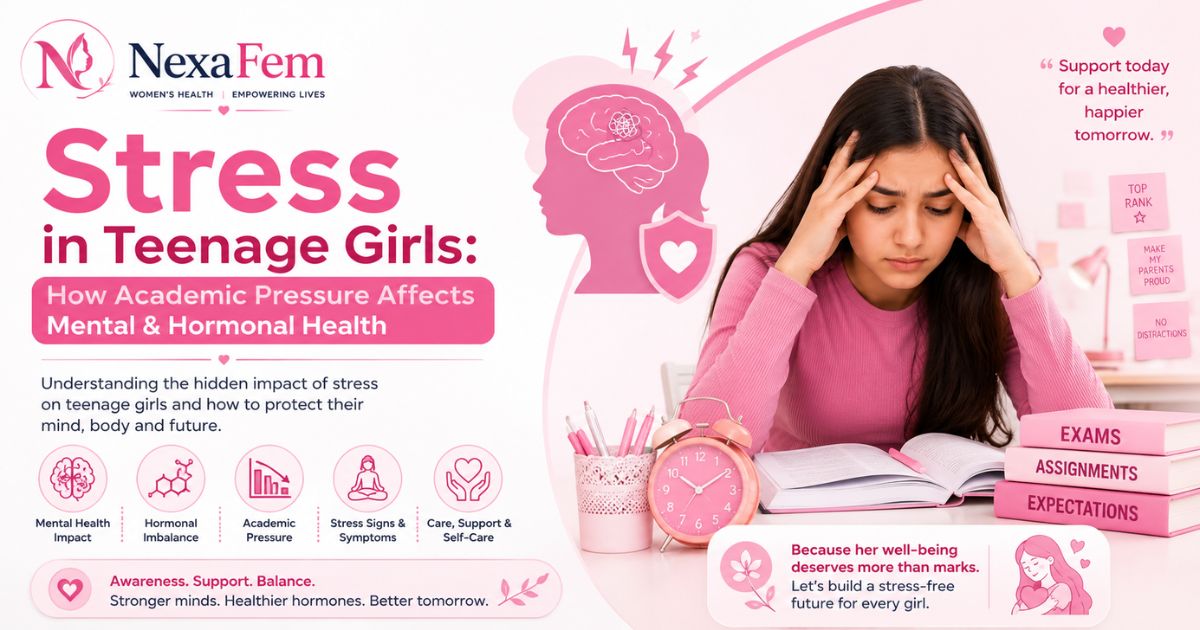
A teenage girl who once enjoyed learning may suddenly become anxious before exams, lose interest in hobbies, struggle to sleep, or feel overwhelmed by even small challenges. While occasional stress is a normal part of growing up, persistent academic pressure can affect both emotional well-being and physical health.
Today's teenagers often balance schoolwork, competitive exams, extracurricular activities, social expectations, and the constant influence of social media. Many also place enormous pressure on themselves to achieve perfect grades or meet family expectations. Over time, this ongoing stress can affect concentration, mood, sleep, menstrual health, and overall quality of life.
Understanding stress in teenage girls is the first step toward preventing long-term health consequences. With the right support, healthy coping strategies, and early intervention, teenagers can learn to manage challenges while protecting both their mental and physical well-being.
At NexaFem, we believe preventive healthcare begins with awareness. By recognizing early warning signs and supporting healthy habits, families can help teenage girls build resilience that lasts well beyond the classroom.
Quick Summary (TL;DR)
Stress in teenage girls commonly arises from academic demands, social expectations, and hormonal changes.
Chronic stress can affect mental wellness, sleep, concentration, and menstrual health.
Healthy routines, balanced nutrition, emotional support, and healthy study habits for students can significantly reduce stress.
Early recognition of symptoms and timely professional support improve long-term outcomes.
Preventive health tracking and personalized wellness insights can help identify stress patterns before they become overwhelming.
What Is Stress in Teenage Girls?
Stress is the body's natural response to situations that feel demanding or challenging. During adolescence, the brain, hormones, and emotions are still developing, making teenagers particularly sensitive to prolonged stress.
A moderate amount of stress can motivate students to prepare for exams or complete assignments. However, when stress becomes constant, it may interfere with daily life, relationships, academic performance, and overall health.
Academic stress often develops gradually rather than appearing suddenly. A teenager may initially feel motivated but later experience emotional exhaustion, anxiety, or burnout if the pressure continues without adequate rest or support.
According to guidance from the World Health Organization (WHO), adolescent mental health is shaped by a combination of biological, emotional, family, school, and social factors. Early support and healthy environments play an important role in promoting resilience and preventing mental health concerns.
Why Does Academic Pressure Affect Teenage Girls Differently?
Teenage girls experience significant hormonal changes during puberty that influence mood regulation, emotional processing, and stress responses.
Hormones such as estrogen and progesterone naturally fluctuate throughout the menstrual cycle. These hormonal shifts can make emotional responses to stress feel more intense during certain times of the month. While hormonal changes alone do not cause anxiety or depression, they can influence how stress is experienced.
Girls may also face additional pressures related to:
Academic competition
Body image concerns
Social media comparison
Peer relationships
Family expectations
Career uncertainty
Perfectionism
Many teenage girls also hesitate to express their emotions because they worry about disappointing others or appearing "weak." As a result, stress may remain unnoticed until it begins affecting sleep, eating habits, or school performance.
For parents interested in understanding how hormones influence emotional well-being, a future article on Hormonal Changes During the Teenage Years can provide additional guidance.
Common Causes of Academic Stress in Teenage Girls
Academic pressure rarely comes from a single source. Instead, several factors often build upon one another.
Heavy Academic Workload
Large volumes of homework, frequent examinations, projects, and competitive entrance tests can leave little time for relaxation.
Many students feel they must constantly perform at a high level, creating ongoing mental pressure.
Fear of Failure
Some teenagers believe that one poor grade will determine their future success. This fear can increase anxiety before exams and reduce confidence over time.
High Expectations
Pressure may come from multiple directions, including:
Parents
Teachers
Friends
Society
Self-imposed expectations
While encouragement is valuable, unrealistic expectations can contribute to chronic stress.
Social Media and Comparison
Social media often highlights achievements while hiding struggles. Constant exposure to classmates' successes may create unrealistic standards and increase feelings of inadequacy.
Lack of Sleep
Late-night studying and excessive screen time reduce sleep quality, making it harder to manage emotions and retain information.
The NHS emphasizes that consistent, good-quality sleep is essential for emotional well-being, learning, and overall health.
How Stress Affects the Body and Hormones
Stress is not "just in the mind." It activates a complex biological response involving the brain, nervous system, and hormones.
When the brain perceives stress, it releases hormones such as cortisol and adrenaline. These hormones prepare the body for short-term challenges by increasing alertness and energy.
However, when stress continues for weeks or months, persistently elevated cortisol levels may contribute to:
Difficulty concentrating
Fatigue
Sleep disturbances
Mood changes
Headaches
Digestive discomfort
Reduced immunity
In teenage girls, chronic stress may also influence menstrual health. Some girls experience delayed periods, irregular cycles, or more noticeable premenstrual symptoms during particularly stressful periods, although many other medical conditions can also contribute to menstrual changes.
For readers wanting to better understand this connection, our guide on How Stress Affects the Menstrual Cycle explores the relationship between stress hormones and reproductive health in greater detail.
The Connection Between Stress, Brain Development, and Learning
Adolescence is a period of rapid brain development. The areas responsible for decision-making, emotional regulation, planning, and impulse control continue maturing throughout the teenage years.
Chronic stress may make it harder for students to:
Focus during lessons
Remember information
Stay motivated
Solve problems effectively
Manage emotions during exams
This creates a cycle in which stress affects academic performance, and poorer performance increases stress even further.
Breaking this cycle early through supportive environments, healthy routines, and evidence-based exam stress management for teens strategies can make a meaningful difference.
Why Prevention Matters
Preventing chronic stress is more effective than treating burnout after it develops.
Parents, teachers, and healthcare professionals all play important roles in recognizing early signs of emotional strain. Encouraging open conversations, realistic expectations, balanced routines, and self-care can help teenagers develop resilience.
Technology is also changing preventive healthcare. Digital wellness platforms and symptom-tracking tools can help families recognize patterns in mood, sleep, menstrual health, and daily habits. Over time, these insights may support more personalized conversations with healthcare professionals and encourage earlier intervention when needed.
Mental Wellness Impact, Healthy Habits, Nutrition, and Prevention
Symptoms of Stress in Teenage Girls
Stress does not affect every teenager in the same way. Some girls become quiet and withdrawn, while others may appear irritable, frustrated, or unusually emotional. Recognizing these changes early can help prevent more serious mental or physical health concerns.
Emotional Symptoms
Emotional changes are often the first signs of chronic stress. A teenage girl may experience:
Feeling anxious or worried most days
Frequent mood swings
Irritability or frustration over small issues
Feeling overwhelmed by schoolwork
Loss of confidence or self-esteem
Difficulty relaxing
Increased sensitivity to criticism
These emotions may come and go, but if they persist for several weeks or begin interfering with daily life, they deserve attention.
Physical Symptoms
Stress can also affect the body. Common physical symptoms include:
Frequent headaches
Muscle tension, especially in the neck and shoulders
Stomach aches or digestive discomfort
Changes in appetite
Difficulty sleeping or waking frequently at night
Persistent tiredness despite adequate rest
Increased susceptibility to minor illnesses
Long-term stress may also contribute to irregular menstrual cycles or more noticeable premenstrual symptoms in some teenagers.
Behavioral Symptoms
Parents and teachers may notice behavioral changes such as:
Avoiding school or extracurricular activities
Declining academic performance
Difficulty concentrating
Procrastination
Spending excessive time on social media
Social withdrawal
Reduced interest in hobbies once enjoyed
Mini Summary
Stress often affects emotions, physical health, and daily behavior at the same time. Identifying these signs early allows families to offer support before stress becomes overwhelming.
How Academic Pressure Affects Mental Wellness
Academic pressure influences more than grades—it can shape how teenagers think about themselves and their future.
When stress continues without adequate coping strategies, it may increase the risk of:
Anxiety
Low mood
Emotional exhaustion
Burnout
Reduced motivation
Low self-confidence
Many girls also experience "performance anxiety," where fear of making mistakes becomes stronger than the desire to learn. This mindset can reduce concentration and make studying feel increasingly difficult.
Supporting mental wellness for teenage girls involves creating an environment where effort is valued alongside achievement. Encouraging realistic expectations and open conversations can help teenagers feel safe discussing their challenges.
For readers interested in building emotional resilience, our upcoming guide on Daily Mental Wellness Habits for Teen Girls explores simple strategies to support emotional health throughout the school year.
Risk Factors for Chronic Stress
Some teenagers are more likely to experience ongoing academic stress due to personal, environmental, or lifestyle factors.
Common risk factors include:
High academic expectations
Competitive school environments
Perfectionist personality traits
Family conflict
Poor sleep habits
Limited physical activity
Social isolation
Excessive screen time
Previous mental health concerns
Bullying or peer pressure
Having one or more risk factors does not mean a teenager will develop serious mental health problems. However, it highlights the importance of early support and healthy coping skills.
How Is Stress Diagnosed?
Stress itself is not usually diagnosed through a laboratory test. Instead, healthcare professionals assess symptoms, daily functioning, and overall well-being.
A healthcare provider may ask about:
Sleep patterns
School performance
Mood changes
Eating habits
Menstrual history
Family relationships
Physical symptoms
Recent life events
If symptoms are severe or persistent, further evaluation may be recommended to rule out medical conditions such as thyroid disorders, anemia, or anxiety disorders that can cause similar symptoms.
Healthcare professionals may also use validated mental health screening questionnaires to better understand emotional well-being.
Healthy Study Habits for Students
Healthy study habits are one of the most effective ways to reduce academic pressure. Rather than studying for many hours without breaks, consistent and balanced routines often lead to better learning and less stress.
Consider these practical strategies:
Create a realistic study schedule.
Break large tasks into smaller goals.
Study in focused sessions with regular breaks.
Review material consistently instead of cramming.
Prioritize difficult subjects when energy levels are highest.
Limit distractions from phones and social media during study time.
It is equally important to schedule time for rest, hobbies, and social connections. Recovery helps the brain process new information and maintain motivation.
Nutrition That Supports Stress Management
The brain requires a steady supply of nutrients to function well. While no single food can eliminate stress, a balanced diet supports energy, concentration, and emotional health.
Helpful dietary habits include:
Eat Regular Meals
Skipping meals may contribute to fatigue and difficulty concentrating. Balanced meals help maintain stable energy levels throughout the day.
Include Protein
Protein-rich foods such as eggs, beans, yogurt, fish, lean meat, and nuts support brain function and help maintain steady energy.
Choose Complex Carbohydrates
Whole grains, oats, brown rice, and whole-wheat bread provide longer-lasting energy than highly processed snacks.
Eat Plenty of Fruits and Vegetables
Colorful fruits and vegetables provide vitamins, minerals, and antioxidants that support overall health.
Stay Hydrated
Even mild dehydration may affect concentration and mood. Drinking enough water throughout the day is a simple but important habit.
Limit Excess Caffeine
Large amounts of energy drinks, coffee, or caffeinated soft drinks may increase nervousness, interfere with sleep, and worsen anxiety in some teenagers.
For families interested in nutrition, our article on Foods That Support Hormonal Balance in Young Women explains how healthy eating contributes to overall well-being.
Prevention: Building Long-Term Resilience
Preventing chronic stress requires more than reducing homework. It involves helping teenagers develop skills that support emotional well-being throughout life.
Effective prevention strategies include:
Encourage Open Communication
Teenagers should feel comfortable discussing worries without fear of judgment. Listening calmly is often more helpful than immediately offering solutions.
Promote Healthy Sleep
Most teenagers need 8–10 hours of sleep each night. Consistent sleep schedules support learning, mood, and hormonal health.
Encourage Physical Activity
Regular exercise can reduce stress, improve mood, and support better sleep. Activities may include walking, cycling, swimming, dancing, or team sports.
Teach Relaxation Techniques
Simple practices such as deep breathing, mindfulness, stretching, or journaling can help manage stressful moments.
Focus on Progress, Not Perfection
Celebrate effort, persistence, and learning rather than only final grades. This encourages a healthier relationship with academic achievement.
Monitor Overall Well-being
Tracking sleep, mood, menstrual cycles, energy levels, and stress patterns can help identify changes early. Digital wellness tools may support these observations and encourage timely conversations with healthcare professionals when concerns arise.
Mini Summary
Healthy routines, supportive relationships, balanced nutrition, and realistic expectations are the foundation of exam stress management for teens. Prevention begins with recognizing that mental wellness is just as important as academic success.
How Academic Pressure Affects Mental Wellness
Academic pressure influences more than grades—it can shape how teenagers think about themselves and their future.
When stress continues without adequate coping strategies, it may increase the risk of:
Anxiety
Low mood
Emotional exhaustion
Burnout
Reduced motivation
Low self-confidence
Many girls also experience "performance anxiety," where fear of making mistakes becomes stronger than the desire to learn. This mindset can reduce concentration and make studying feel increasingly difficult.
Supporting mental wellness for teenage girls involves creating an environment where effort is valued alongside achievement. Encouraging realistic expectations and open conversations can help teenagers feel safe discussing their challenges.
For readers interested in building emotional resilience, our upcoming guide on Daily Mental Wellness Habits for Teen Girls explores simple strategies to support emotional health throughout the school year.
Risk Factors for Chronic Stress
Some teenagers are more likely to experience ongoing academic stress due to personal, environmental, or lifestyle factors.
Common risk factors include:
High academic expectations
Competitive school environments
Perfectionist personality traits
Family conflict
Poor sleep habits
Limited physical activity
Social isolation
Excessive screen time
Previous mental health concerns
Bullying or peer pressure
Having one or more risk factors does not mean a teenager will develop serious mental health problems. However, it highlights the importance of early support and healthy coping skills.
How Is Stress Diagnosed?
Stress itself is not usually diagnosed through a laboratory test. Instead, healthcare professionals assess symptoms, daily functioning, and overall well-being.
A healthcare provider may ask about:
Sleep patterns
School performance
Mood changes
Eating habits
Menstrual history
Family relationships
Physical symptoms
Recent life events
If symptoms are severe or persistent, further evaluation may be recommended to rule out medical conditions such as thyroid disorders, anemia, or anxiety disorders that can cause similar symptoms.
Healthcare professionals may also use validated mental health screening questionnaires to better understand emotional well-being.
Healthy Study Habits for Students
Healthy study habits are one of the most effective ways to reduce academic pressure. Rather than studying for many hours without breaks, consistent and balanced routines often lead to better learning and less stress.
Consider these practical strategies:
Create a realistic study schedule.
Break large tasks into smaller goals.
Study in focused sessions with regular breaks.
Review material consistently instead of cramming.
Prioritize difficult subjects when energy levels are highest.
Limit distractions from phones and social media during study time.
It is equally important to schedule time for rest, hobbies, and social connections. Recovery helps the brain process new information and maintain motivation.
Nutrition That Supports Stress Management
The brain requires a steady supply of nutrients to function well. While no single food can eliminate stress, a balanced diet supports energy, concentration, and emotional health.
Helpful dietary habits include:
Eat Regular Meals
Skipping meals may contribute to fatigue and difficulty concentrating. Balanced meals help maintain stable energy levels throughout the day.
Include Protein
Protein-rich foods such as eggs, beans, yogurt, fish, lean meat, and nuts support brain function and help maintain steady energy.
Choose Complex Carbohydrates
Whole grains, oats, brown rice, and whole-wheat bread provide longer-lasting energy than highly processed snacks.
Eat Plenty of Fruits and Vegetables
Colorful fruits and vegetables provide vitamins, minerals, and antioxidants that support overall health.
Stay Hydrated
Even mild dehydration may affect concentration and mood. Drinking enough water throughout the day is a simple but important habit.
Limit Excess Caffeine
Large amounts of energy drinks, coffee, or caffeinated soft drinks may increase nervousness, interfere with sleep, and worsen anxiety in some teenagers.
For families interested in nutrition, our article on Foods That Support Hormonal Balance in Young Women explains how healthy eating contributes to overall well-being.
Prevention: Building Long-Term Resilience
Preventing chronic stress requires more than reducing homework. It involves helping teenagers develop skills that support emotional well-being throughout life.
Effective prevention strategies include:
Encourage Open Communication
Teenagers should feel comfortable discussing worries without fear of judgment. Listening calmly is often more helpful than immediately offering solutions.
Promote Healthy Sleep
Most teenagers need 8–10 hours of sleep each night. Consistent sleep schedules support learning, mood, and hormonal health.
Encourage Physical Activity
Regular exercise can reduce stress, improve mood, and support better sleep. Activities may include walking, cycling, swimming, dancing, or team sports.
Teach Relaxation Techniques
Simple practices such as deep breathing, mindfulness, stretching, or journaling can help manage stressful moments.
Focus on Progress, Not Perfection
Celebrate effort, persistence, and learning rather than only final grades. This encourages a healthier relationship with academic achievement.
Monitor Overall Well-being
Tracking sleep, mood, menstrual cycles, energy levels, and stress patterns can help identify changes early. Digital wellness tools may support these observations and encourage timely conversations with healthcare professionals when concerns arise.
Mini Summary
Healthy routines, supportive relationships, balanced nutrition, and realistic expectations are the foundation of exam stress management for teens. Prevention begins with recognizing that mental wellness is just as important as academic success.
Treatment Overview
There is no single treatment for academic stress because every teenager's experience is different. The most effective approach depends on the severity of symptoms, underlying causes, and the individual's support system.
For mild to moderate stress, lifestyle changes, emotional support, and healthy coping strategies are often enough to improve well-being. If symptoms persist or significantly interfere with school, relationships, or daily life, a healthcare professional or mental health specialist can recommend appropriate care.
Treatment may include:
Stress management techniques and relaxation exercises
Cognitive Behavioral Therapy (CBT) or other evidence-based counseling approaches
Family support and school-based interventions
Sleep hygiene improvements
Nutrition and physical activity guidance
Medical evaluation if stress is affecting menstrual health or other physical symptoms
Medication is not routinely recommended for everyday academic stress but may be appropriate if a qualified healthcare provider diagnoses an anxiety disorder, depression, or another mental health condition.
According to guidance from the NICE, psychological therapies such as CBT are considered effective for many anxiety-related conditions in young people when clinically appropriate.
When to See a Doctor
While occasional stress is a normal part of life, professional support is important if symptoms become persistent or begin affecting everyday functioning.
Seek medical advice if a teenager:
Feels anxious or overwhelmed most days for several weeks
Experiences frequent panic attacks
Has ongoing sleep problems
Shows significant changes in eating habits
Has persistent headaches or stomach pain without another clear cause
Experiences irregular menstrual cycles along with ongoing stress
Begins avoiding school regularly
Shows signs of depression or hopelessness
Early intervention often leads to better outcomes and helps prevent long-term emotional and physical health effects.
Red Flag Symptoms
Some symptoms require prompt medical assessment.
These include:
Thoughts of self-harm or suicide
Talking about feeling hopeless or wanting to disappear
Complete withdrawal from family and friends
Sudden decline in personal hygiene
Refusal to eat or drink
Severe panic attacks
Hallucinations or unusual behavior
Significant weight loss
Fainting episodes
Extreme sleep deprivation
If there are concerns about immediate safety, seek emergency medical care or contact local emergency mental health services without delay.
Common Mistakes Parents and Families Make
Parents naturally want their children to succeed, but some well-intentioned behaviors may unintentionally increase stress.
Common mistakes include:
Comparing a teenager with siblings or classmates
Focusing only on grades rather than overall well-being
Assuming stress is "just part of growing up"
Overloading schedules with multiple coaching classes and activities
Ignoring changes in sleep, mood, or eating habits
Expecting perfection instead of consistent progress
Replacing criticism with supportive conversations helps teenagers feel understood and encourages healthier coping strategies.
Lifestyle Tips for Long-Term Mental Wellness
Small daily habits can make a meaningful difference in managing stress.
Consider encouraging teenagers to:
Maintain a consistent sleep schedule.
Spend time outdoors each day.
Take short breaks while studying.
Practice deep breathing or mindfulness for a few minutes daily.
Stay physically active most days of the week.
Eat balanced meals instead of relying on sugary snacks.
Reduce screen time before bedtime.
Stay connected with supportive friends and family.
Make time for hobbies and relaxation.
Ask for help when feeling overwhelmed.
Building resilience is not about eliminating stress completely—it is about developing healthy ways to respond to life's challenges.
How AI-Powered Preventive Health Can Support Teen Wellness
Preventive healthcare is becoming increasingly personalized, and technology can play a supportive role.
AI-powered women's health platforms such as NexaFem are designed to help users better understand patterns in their overall wellness. By tracking factors like mood, sleep quality, menstrual cycles, energy levels, and daily symptoms, individuals can become more aware of changes that may be linked to stress.
These insights are not a substitute for professional medical care, but they can support earlier conversations with healthcare providers and encourage proactive self-care.
As preventive healthcare continues to evolve, combining healthy lifestyle habits with evidence-based digital wellness tools may empower young women to take a more informed approach to their health.
Final Thoughts
Academic success should never come at the cost of a teenager's health.
Stress is a normal response to life's challenges, but chronic academic pressure can affect emotional well-being, physical health, and hormonal balance if left unaddressed.
Parents, educators, healthcare professionals, and communities all play an important role in creating environments where young women feel supported rather than overwhelmed.
By recognizing early warning signs, encouraging open conversations, promoting healthy routines, and seeking professional help when needed, we can help teenage girls develop lifelong resilience—not just better grades.
At NexaFem, we believe that preventive, personalized, and AI-powered women's healthcare begins with understanding the whole person, not just the symptoms. Supporting mental wellness today helps build healthier futures tomorrow.
Frequently Asked Questions
Share this post
Comments (0)
No comments yet. Be the first to comment!