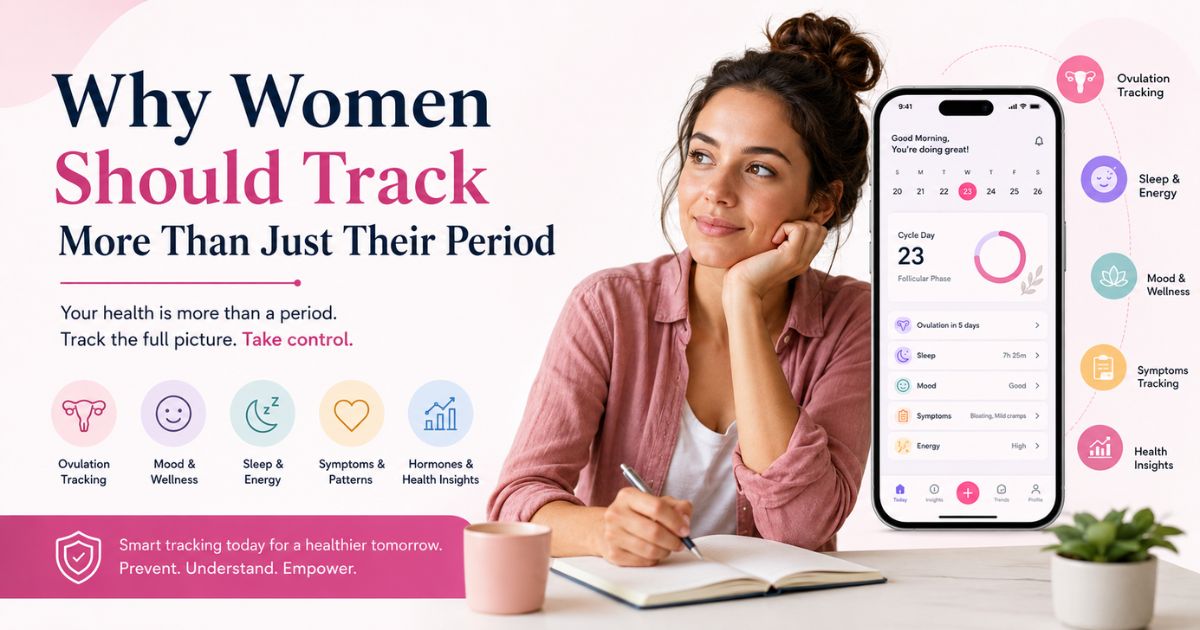

The Future of Women’s Health with AI
Women’s healthcare is entering a powerful new era—one driven by Artificial Intelligence (AI). For decades, women’s health has been under-researched and often generalized, but AI is changing that by bringing personalized, proactive, and precise care to every stage of a woman’s life.
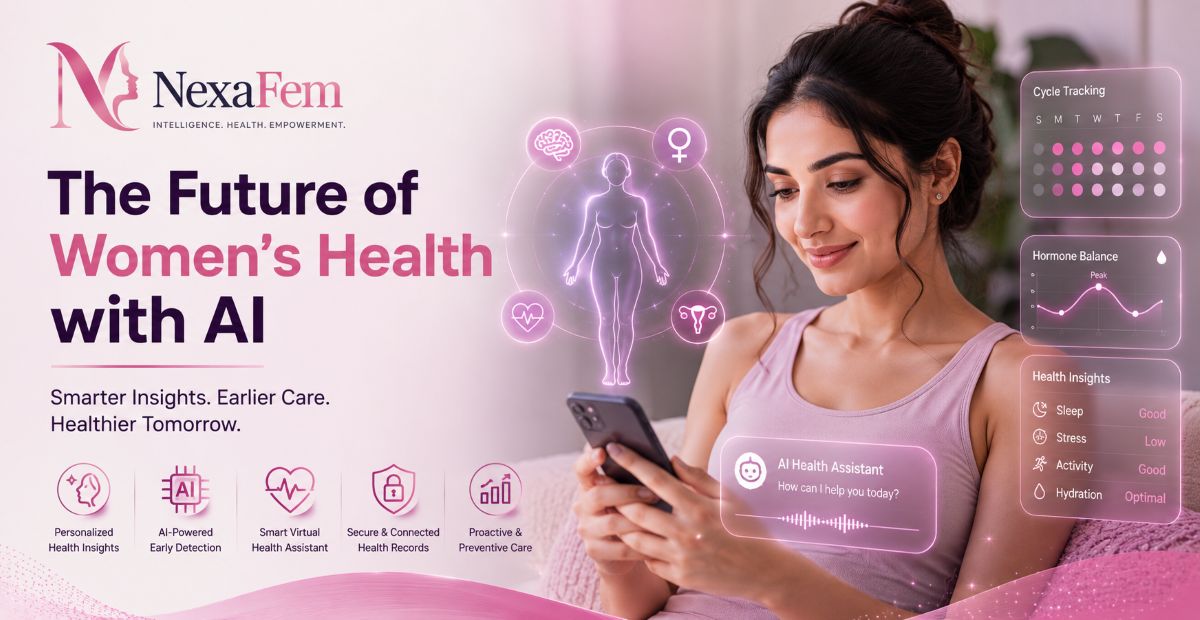
Today, platforms like NexaFem are leading this transformation—combining technology with empathy to redefine how women understand and manage their health.
Why Women’s Health Needs Innovation
Women experience unique health conditions such as hormonal imbalances, fertility challenges, pregnancy, and menopause. Despite this, many conditions like endometriosis or PCOS often go undiagnosed for years.
AI is helping bridge this gap by:
Improving early diagnosis
Offering personalized treatment plans
Making healthcare more accessible and data-driven
How AI is Transforming Women’s Healthcare
1. Personalized Health Insights
AI analyzes data such as menstrual cycles, symptoms, lifestyle, and medical history to provide tailored insights.
Modern AI health platforms can:
Predict ovulation and fertility windows
Track hormonal changes
Suggest lifestyle improvements
This level of personalization helps women make informed decisions about their bodies.
2. Early Detection of Health Conditions
AI-powered tools can detect patterns that humans may miss.
For example:
Identifying early signs of PCOS or endometriosis
Detecting irregular cycles
Predicting potential fertility issues
This leads to faster diagnosis and better outcomes.
3. Smart Virtual Health Assistants
AI-driven assistants act like 24/7 health companions.
They can:
Answer health-related questions instantly
Provide emotional and mental health support
Guide users through symptoms and treatments
Some advanced systems even act as personal health coaches, connecting fitness, nutrition, and hormonal health in one place
4. Preventive and Proactive Care
Instead of reacting to illness, AI focuses on prevention.
AI systems can:
Predict future health risks
Recommend preventive steps
Send reminders for medications, checkups, and lifestyle changes
This shift from reactive to proactive care is one of the biggest advantages of AI.
5. Secure and Connected Health Records
AI platforms enable secure storage of medical data, making it easier for doctors and patients to collaborate.
Features include:
Encrypted health records
Easy sharing with healthcare providers
Better doctor-patient communication
This improves accuracy and reduces treatment delays.
The Role of NexaFem in the Future
At NexaFem, the goal is simple—empower women through intelligent healthcare solutions.
By integrating AI into everyday health management, NexaFem helps women:
Understand their bodies better
Track their health journey
Access reliable, data-driven insights
Take control of their well-being
It’s not just about technology—it’s about building confidence, awareness, and independence in women’s healthcare.
Challenges & Considerations
While AI brings immense benefits, there are important concerns:
Data privacy and security
Ethical use of sensitive health information
Ensuring accuracy and medical reliability
Addressing these challenges is essential for building trust in AI-driven healthcare.
What the Future Looks Like
The future of women’s health with AI is promising:
Hyper-personalized treatments
Real-time health monitoring
AI-powered fertility and pregnancy support
Integration with wearable devices
More inclusive and accessible healthcare
AI will not replace doctors—but it will enhance their capabilities and make healthcare smarter, faster, and more human-centered.
Conclusion
Artificial Intelligence is not just transforming women’s healthcare—it’s redefining it. With platforms like NexaFem, women are no longer passive recipients of care but active participants in their health journey.
The future is clear: smarter insights, earlier diagnoses, and empowered women.
And this is just the beginning.
Share this post
Comments (0)
No comments yet. Be the first to comment!