
What Is Menstrual Intelligence? A Complete Guide to Understanding Your Cycle
Learn what menstrual intelligence is, why it matters, and how menstrual cycle tracking can improve hormonal health, wellness, and preventive care.
For many women, periods are treated as something to manage, endure, or ignore until symptoms become disruptive. Yet your menstrual cycle is one of the body's most valuable health signals.
Mood changes, energy fluctuations, sleep patterns, cravings, skin changes, irregular bleeding, and even shifts in mental focus can all provide important clues about your overall health. The challenge is that most women are never taught how to interpret these signals.
This is where menstrual intelligence becomes powerful.
Menstrual intelligence is more than tracking period dates. It is the ability to understand, interpret, and respond to the physical, emotional, and hormonal patterns that occur throughout your menstrual cycle.
As preventive healthcare increasingly moves toward personalized wellness and data-driven health insights, menstrual intelligence is becoming an essential part of women's health awareness. It helps women recognize patterns, identify concerns earlier, communicate more effectively with healthcare professionals, and make informed decisions about their well-being.
At NexaFem, menstrual intelligence represents a new era of women's healthcare—one where hormonal awareness, symptom tracking, and AI-powered health insights work together to support preventive care and long-term wellness.
Quick Summary (TL;DR)
Menstrual intelligence is the ability to understand and interpret the signals your menstrual cycle provides about your health.
It goes beyond period tracking and includes recognizing hormonal, physical, emotional, and behavioral patterns.
Developing menstrual health awareness can support earlier detection of potential health concerns.
Menstrual cycle tracking can improve communication with healthcare providers and support personalized wellness decisions.
Menstrual intelligence empowers women to take a proactive approach to preventive healthcare.
What Is Menstrual Intelligence?
Simple Definition
Menstrual intelligence is the knowledge and awareness needed to understand your menstrual cycle, recognize cycle-related patterns, and use that information to support your health and well-being.
It combines:
Understanding your menstrual cycle
Tracking symptoms and patterns
Recognizing hormonal changes
Connecting symptoms to different cycle phases
Making informed lifestyle and healthcare decisions
Rather than viewing menstruation as a monthly event, menstrual intelligence recognizes the cycle as an ongoing biological process that influences many aspects of physical and emotional health.
Why the Concept Is Becoming More Important
Modern healthcare is increasingly focused on prevention rather than reaction.
Organizations such as the World Health Organization emphasize the importance of health literacy and early intervention in improving health outcomes. Understanding menstrual health can contribute to this broader preventive approach.
Research and clinical guidelines also recognize menstrual patterns as important indicators of reproductive and overall health. According to the American College of Obstetricians and Gynecologists, the menstrual cycle can serve as a vital sign for assessing health in adolescents and reproductive-age women.
Source: ACOG – Menstruation in Girls and Adolescents as a Vital Sign
https://www.acog.org
Understanding Your Menstrual Cycle: The Foundation of Menstrual Intelligence
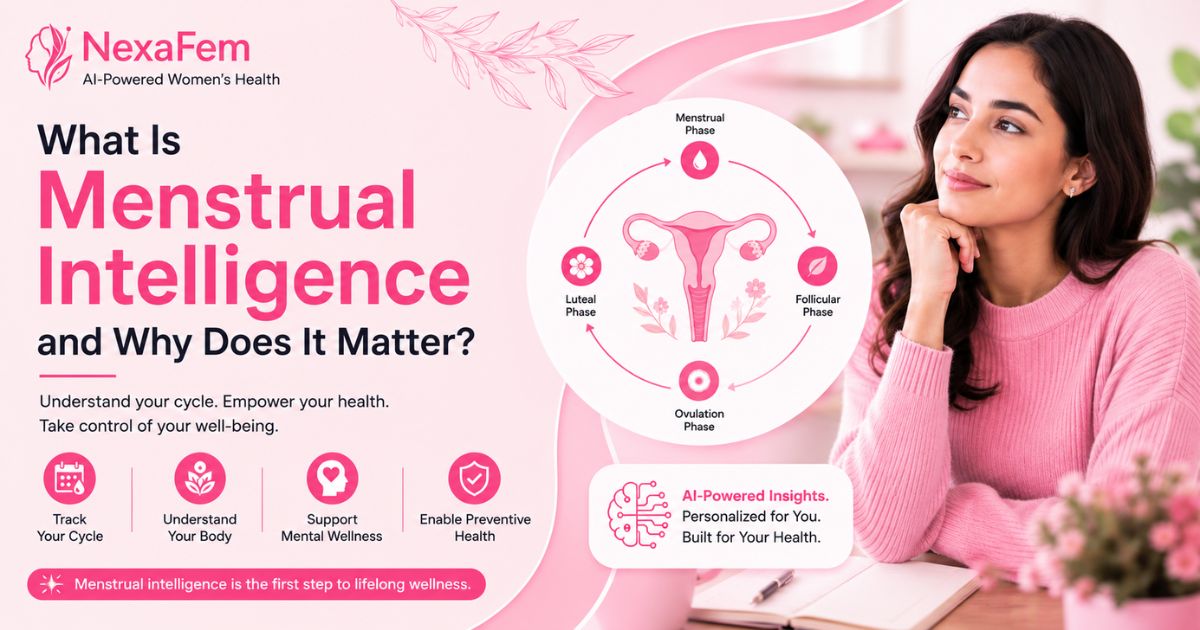
To develop menstrual intelligence, it helps to understand the four main phases of the menstrual cycle.
1. Menstrual Phase
This is when the uterine lining sheds, resulting in menstrual bleeding.
Common experiences include:
Bleeding
Fatigue
Cramping
Lower energy levels
Increased need for rest
2. Follicular Phase
The body begins preparing for ovulation.
Many women experience:
Improved focus
Rising energy
Increased motivation
Better exercise performance
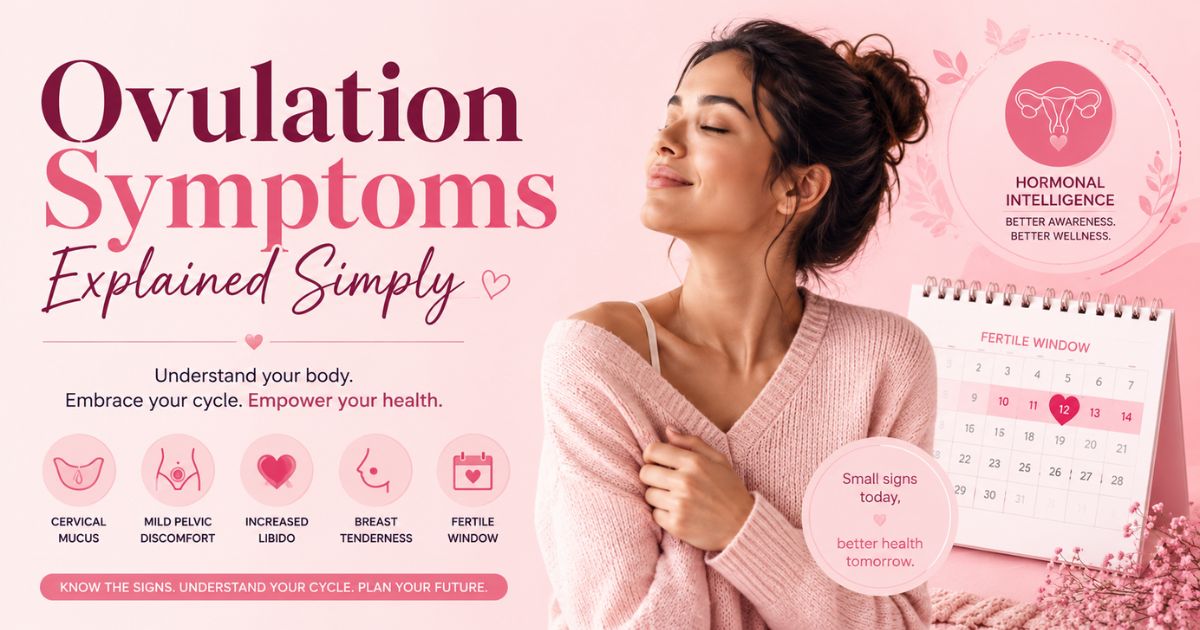
3. Ovulation Phase
Ovulation occurs when an ovary releases an egg.
Possible signs include:
Mild pelvic discomfort
Increased cervical mucus
Heightened libido
Elevated confidence and sociability
4. Luteal Phase
Progesterone rises after ovulation.
Some women notice:
Breast tenderness
Bloating
Mood changes
Increased appetite
Sleep disturbances
Learning how these phases affect your body forms the foundation of menstrual intelligence.
For a deeper understanding, women may benefit from exploring resources on the four phases of the menstrual cycle and how hormones influence daily health.
Why Does Menstrual Intelligence Matter?
It Helps Identify Health Patterns Earlier
Many health conditions can influence menstrual cycles.
Examples include:
Polycystic ovary syndrome (PCOS)
Endometriosis
Thyroid disorders
Perimenopause
Hormonal imbalances
Changes in cycle length, bleeding patterns, pain levels, or symptoms may sometimes provide early clues that warrant medical evaluation.
According to the NHS, menstrual irregularities can occasionally indicate underlying health conditions that require assessment.
Source: NHS – Periods and Menstrual Health
https://www.nhs.uk
It Supports Better Healthcare Conversations
Many women struggle to describe symptoms during medical appointments.
Tracking:
Cycle length
Bleeding patterns
Pain levels
Mood changes
Sleep quality
Energy fluctuations
can provide valuable information that helps healthcare providers make more informed assessments.
It Encourages Preventive Healthcare
Preventive care often depends on noticing changes before they become serious.
Women who understand their normal patterns are more likely to recognize:
Unusual bleeding
Significant cycle changes
New symptoms
Worsening pain
This awareness may support earlier medical evaluation and intervention when needed.
How Menstrual Cycle Tracking Builds Menstrual Intelligence
What Should You Track?
Effective menstrual cycle tracking involves more than recording period dates.
Consider tracking:
Start and end dates of bleeding
Flow intensity
Cramping
Mood changes
Sleep quality
Energy levels
Headaches
Digestive symptoms
Skin changes
Physical activity
Over time, patterns often emerge that may not be obvious month to month.
How Technology Is Changing Women's Health
Digital health tools and AI-powered symptom tracking platforms are making menstrual intelligence more accessible than ever.
By analyzing symptom trends and cycle data, modern health technologies can help women:
Recognize recurring patterns
Understand hormonal fluctuations
Prepare for symptom changes
Monitor long-term cycle health
This aligns with NexaFem's vision of combining women's health expertise with personalized preventive intelligence.
Women may also benefit from tools such as a menstrual cycle tracker and hormone symptom tracker to better understand their unique health patterns.
What Are the Signs of Low Menstrual Intelligence?
Many women are never taught how to interpret menstrual health signals.
Common signs include:
Not knowing typical cycle length
Ignoring recurring symptoms
Assuming severe pain is always normal
Failing to recognize significant cycle changes
Viewing menstruation only as monthly bleeding
Increasing menstrual health awareness can help address these knowledge gaps.
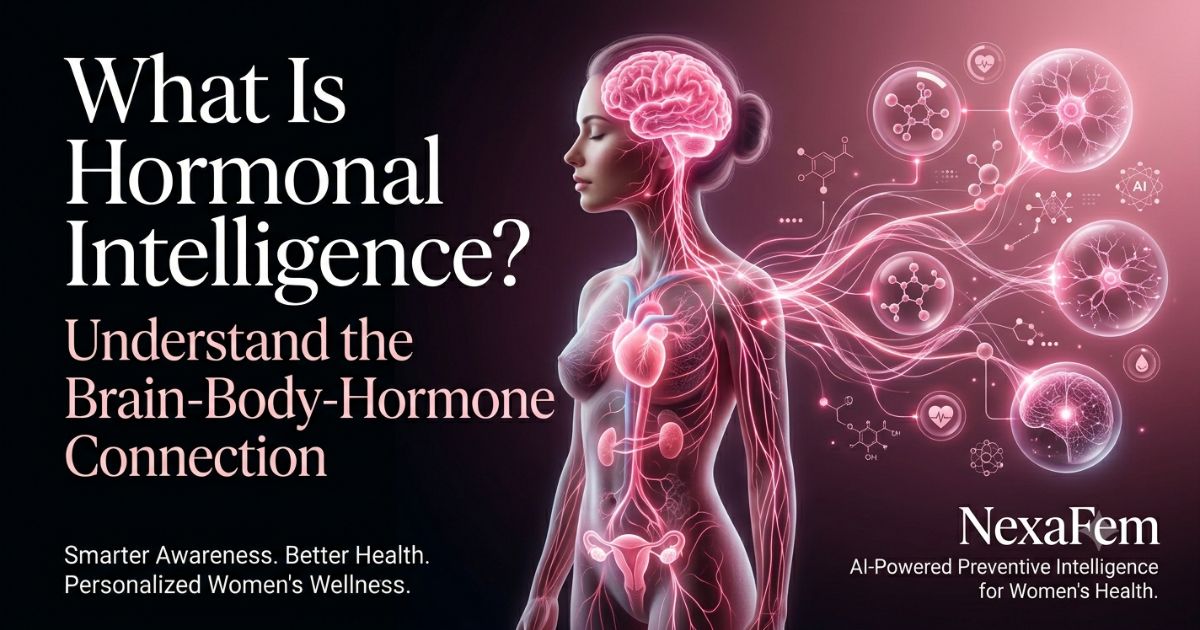
Hormonal Intelligence and Mental Wellness
One of the most overlooked aspects of menstrual intelligence is understanding how hormones influence mental and emotional health.
Hormonal fluctuations throughout the cycle can affect:
Mood
Stress resilience
Sleep
Concentration
Emotional sensitivity
This does not mean emotions are "caused" by hormones alone. Mental health is influenced by many biological, psychological, and social factors.
However, recognizing hormonal patterns can help women better understand changes in how they feel during different phases of the cycle.
The Centers for Disease Control and Prevention acknowledge that menstrual health can affect overall quality of life and well-being.
Source: CDC – Menstrual Health Information
https://www.cdc.gov
Nutrition and Lifestyle Support for Better Menstrual Health Awareness
Developing menstrual intelligence also involves learning which lifestyle habits support hormonal health.
Nutrition Tips
Focus on:
Fruits and vegetables
Whole grains
Lean proteins
Healthy fats
Iron-rich foods
Adequate hydration
Women experiencing heavy periods may especially benefit from discussing iron intake with a healthcare professional.
Lifestyle Habits That Support Hormonal Health
Consistent sleep schedules
Regular movement and exercise
Stress management practices
Limiting smoking
Moderating alcohol intake
Maintaining regular health checkups
For additional support, women may explore evidence-based approaches to hormone-supportive nutrition and lifestyle habits for hormonal balance.
Common Mistakes Women Make
Many misconceptions can prevent women from developing menstrual intelligence.
Common mistakes include:
Only tracking period dates
Ignoring emotional symptoms
Assuming irregular cycles are always normal
Delaying medical evaluation for severe symptoms
Comparing cycles to friends or family members
Every woman's cycle is unique.
The goal is understanding your own patterns rather than matching someone else's experience.
Risk Factors for Menstrual Health Concerns
Certain factors may increase the likelihood of menstrual irregularities.
These include:
Significant stress
Extreme exercise
Rapid weight changes
Eating disorders
Thyroid disorders
PCOS
Perimenopause
Certain medications
Recognizing these influences is an important part of menstrual intelligence.
How Are Menstrual Health Concerns Diagnosed?
When symptoms become concerning, healthcare professionals may recommend:
Medical history review
Symptom assessment
Menstrual cycle records
Physical examination
Blood tests
Hormone testing
Ultrasound imaging when appropriate
Tracking data can often provide valuable context during the diagnostic process.
When to See a Doctor
Consider seeking medical advice if you experience:
Very heavy bleeding
Severe menstrual pain
Missed periods without explanation
Bleeding between periods
Cycles that suddenly become irregular
Symptoms that interfere with daily life
Early evaluation can help identify potential issues and support timely care.
Red Flag Symptoms
Seek prompt medical attention if you experience:
Extremely heavy bleeding requiring frequent pad or tampon changes
Fainting or severe dizziness
Sudden severe pelvic pain
Signs of severe anemia
Persistent bleeding after menopause
These symptoms require professional medical assessment.
Final Thoughts
Menstrual intelligence is not about achieving a perfect cycle. It is about developing a deeper understanding of your body's patterns, signals, and needs.
Your menstrual cycle is one of the most consistent sources of health information available throughout your reproductive years. Learning to interpret those signals can strengthen menstrual health awareness, improve communication with healthcare providers, and support a more proactive approach to wellness.
As healthcare continues moving toward personalized and preventive models, menstrual intelligence is becoming an essential component of women's health empowerment.
At NexaFem, we believe the future of women's health lies in combining medical knowledge, symptom awareness, and AI-powered insights to help women better understand their bodies—not only when something feels wrong, but every day.
Sources & References
American College of Obstetricians and Gynecologists (ACOG)
https://www.acog.org/clinical/clinical-guidance/committee-opinion/articles/2015/12/menstruation-in-girls-and-adolescents-using-the-menstrual-cycle-as-a-vital-sign
National Health Service (NHS) – Periods
https://www.nhs.uk/conditions/periods
World Health Organization (WHO) – Menstrual Health
https://www.who.int
Centers for Disease Control and Prevention (CDC) – Menstrual Health
https://www.cdc.gov
National Institute for Health and Care Excellence (NICE)
https://www.nice.org.uk
Disclaimer
This article is intended for informational and educational purposes only and should not be considered medical advice, diagnosis, or treatment. Health information is constantly evolving, and individual circumstances vary. Always consult a qualified healthcare professional, gynecologist, or licensed medical provider regarding any symptoms, menstrual concerns, hormonal issues, or health conditions. Never delay seeking professional medical care based on information found in this article.
Frequently Asked Questions
Share this post
Comments (0)
No comments yet. Be the first to comment!