
Why Women Need More Protein Than They Think: A Complete Guide to Women Protein Needs
Discover why women protein needs are often underestimated and how protein supports hormones, muscle health, metabolism, and overall wellness.
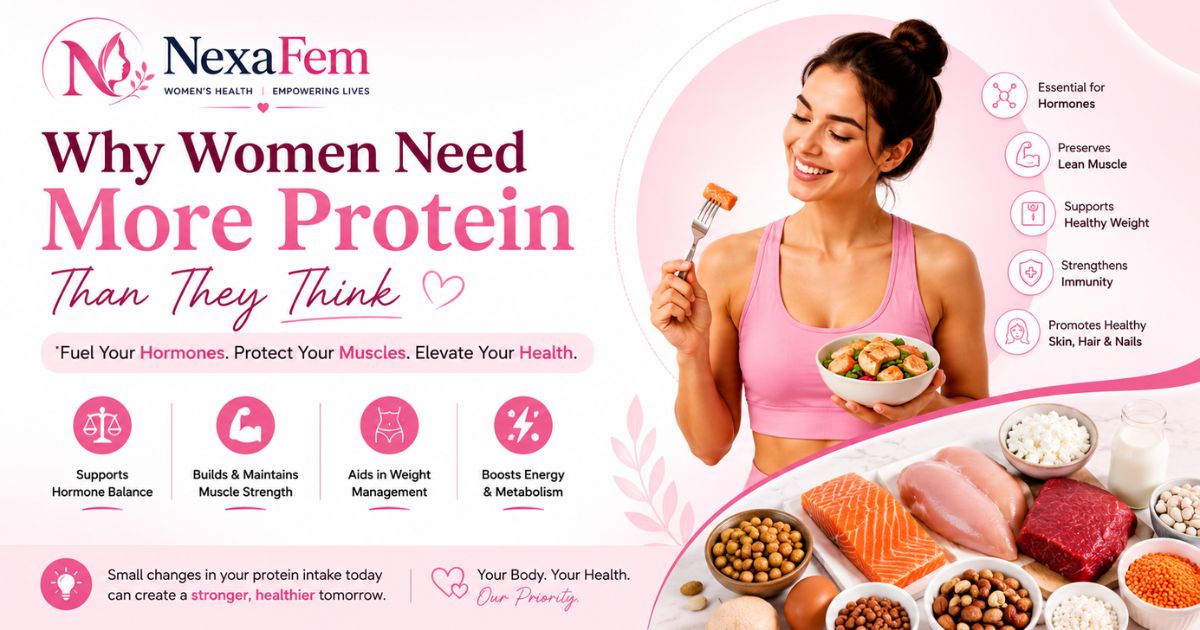
Many women focus on eating fewer calories, reducing carbohydrates, or choosing healthier foods. Yet one of the most overlooked nutrients in women's health is protein.
If you've ever felt constantly hungry, struggled with energy crashes, found it difficult to maintain muscle tone, or wondered why weight management feels harder than expected, your protein intake may be part of the picture.
Despite its importance, many women consume less protein than their bodies actually need. This gap can affect everything from hormone production and metabolism to muscle strength, healthy aging, and overall wellbeing.
Understanding women protein needs isn't about following a trendy diet. It's about giving your body the building blocks it needs to function optimally throughout every stage of life.
At NexaFem, we believe preventive health begins with understanding what your body truly needs—and protein is one of the most powerful tools for supporting long-term women's wellness.
Quick Summary (TL;DR)
Women often consume less protein than their bodies require.
Protein supports hormone production, muscle maintenance, metabolism, and healthy aging.
Adequate protein intake can improve satiety and support protein and weight management goals.
Protein needs may increase during active lifestyles, pregnancy, breastfeeding, perimenopause, and menopause.
High-quality protein sources include lean meats, fish, eggs, dairy, legumes, tofu, and nuts.
What Are Women's Protein Needs?
Protein is a macronutrient made up of amino acids, which serve as the building blocks for tissues, hormones, enzymes, and immune cells.
In simple terms, protein helps your body:
Build and repair muscles
Produce hormones
Support immune function
Maintain healthy skin, hair, and nails
Regulate appetite
Support metabolism
According to guidance from organizations such as the NHS and other international health authorities, adults require a minimum amount of protein daily to maintain health. However, many experts now recognize that optimal protein intake for women may be higher than the minimum recommendations, particularly during certain life stages.
Why Do Women Often Undereat Protein?
Historically, protein discussions have focused on athletes, bodybuilders, or men's fitness.
As a result, many women may prioritize:
Restrictive dieting
Low-calorie eating patterns
Skipping breakfast
Carbohydrate-heavy snacks
Convenience foods with limited protein
Over time, these habits can leave women consuming significantly less protein than their bodies need.
This becomes especially important because women's bodies experience unique hormonal transitions throughout life.
Protein for Hormone Balance
One of the most overlooked benefits of protein is its role in hormone production.
Hormones are chemical messengers that influence:
Menstrual cycles
Fertility
Mood
Energy levels
Metabolism
Stress response
Protein provides amino acids that the body uses to create many hormones and hormone-regulating compounds.
When protein intake is consistently low, the body may have fewer resources available to support normal physiological functions.
Women experiencing concerns related to hormonal health may also benefit from learning about hormone balance symptoms, menstrual cycle tracking, and early signs of hormonal changes across different life stages.
Can Protein Help Support Stable Energy?
Yes.
Protein slows digestion and helps stabilize blood sugar levels when combined with healthy carbohydrates and fats.
This can help reduce:
Energy crashes
Mid-afternoon fatigue
Excessive hunger
Frequent snacking
Stable blood sugar patterns may also support overall hormonal wellbeing.
Protein for Muscle Health in Women
Many women associate muscle health with athletes, but muscle is essential for everyone.
Muscle tissue supports:
Strength
Balance
Mobility
Metabolic health
Healthy aging
Beginning as early as the 30s, adults naturally start losing muscle mass over time.
Insufficient protein intake may accelerate this process.
Why Muscle Matters Beyond Appearance
Muscle isn't just about looking toned.
Healthy muscle mass contributes to:
Improved insulin sensitivity
Better physical function
Reduced injury risk
Increased metabolic efficiency
For women entering perimenopause and menopause, preserving muscle becomes even more important as hormonal changes can contribute to muscle loss.
Women interested in healthy aging may also benefit from understanding how hormonal changes affect metabolism during perimenopause and menopause.
Protein and Weight Management
One reason protein receives so much attention in nutrition research is its effect on appetite.
Protein is generally more satisfying than carbohydrates or fats.
This means it can help women feel fuller for longer after meals.
How Protein Supports Weight Management
Protein may support healthy weight management by:
Increasing satiety
Reducing overeating
Helping preserve muscle during weight loss
Supporting metabolic health
It's important to remember that no single nutrient causes weight loss. Sustainable weight management depends on overall dietary patterns, physical activity, sleep, stress management, and individual health factors.
However, ensuring adequate protein intake can be a valuable part of a balanced approach.
What Happens If Women Don't Get Enough Protein?
Mild protein insufficiency can be difficult to recognize.
Common signs may include:
Increased hunger
Low energy
Difficulty recovering from exercise
Reduced muscle strength
Hair thinning
Brittle nails
Frequent illness
Slow wound healing
These symptoms can also have many other causes, which is why persistent concerns should be discussed with a healthcare professional.
Women Protein Needs Across Different Life Stages
Ages 18–24
Young women often have demanding schedules involving education, work, social activities, and exercise.
Protein supports:
Growth and tissue repair
Menstrual health
Energy levels
Physical performance
Ages 25–34
This period often includes career demands, pregnancy planning, fertility considerations, and increased stress.
Protein remains important for:
Hormonal health
Muscle maintenance
Metabolic function
Women exploring reproductive health may find value in learning more about nutrition for fertility and preconception wellness.
Ages 35–45
During this stage, subtle hormonal shifts may begin.
Protein can support:
Lean muscle preservation
Healthy metabolism
Energy maintenance
Perimenopause and Menopause
Protein becomes especially important due to changes in estrogen levels.
Adequate protein intake may help support:
Muscle health
Bone health
Physical function
Healthy aging
The American College of Obstetricians and Gynecologists (ACOG) highlights the importance of nutrition and physical activity throughout midlife transitions.
What Are the Best Protein Sources for Women?
A balanced diet should include a variety of protein sources.
Animal-Based Proteins
Fish
Chicken
Turkey
Eggs
Greek yogurt
Cottage cheese
Lean meats
Plant-Based Proteins
Lentils
Chickpeas
Beans
Tofu
Tempeh
Edamame
Quinoa
Protein-Rich Snacks
Roasted chickpeas
Greek yogurt
Boiled eggs
Nuts and seeds
Protein smoothies
Using a daily protein intake calculator can help women estimate whether they are meeting their nutritional goals.
What Does a High-Protein Diet for Women Look Like?
A high-protein diet for women does not necessarily mean excessive protein consumption.
Instead, it often involves distributing protein throughout the day.
For example:
Breakfast:
Greek yogurt with berries and nuts
Lunch:
Grilled chicken salad with vegetables
Snack:
Boiled eggs or roasted chickpeas
Dinner:
Salmon with vegetables and quinoa
Spreading protein across meals may improve satiety and support muscle protein synthesis more effectively than consuming most protein at one meal.
Risk Factors for Inadequate Protein Intake
Some women may be at higher risk of insufficient protein intake, including:
Older adults
Vegetarians or vegans without proper planning
Women following restrictive diets
Women with chronic illnesses
Women recovering from surgery or illness
How Is Protein Deficiency Diagnosed?
Severe protein deficiency is uncommon in developed countries, but healthcare professionals may evaluate nutritional status through:
Medical history
Dietary assessment
Physical examination
Laboratory testing when appropriate
There is no single test that perfectly measures overall protein intake.
Mental Wellness and Protein
Nutrition and mental wellbeing are closely connected.
Protein provides amino acids involved in neurotransmitter production.
Neurotransmitters help regulate:
Mood
Focus
Sleep
Emotional resilience
While protein is not a treatment for mental health conditions, maintaining balanced nutrition may support overall psychological wellbeing.
Women experiencing persistent mood changes should seek guidance from qualified healthcare professionals.
Common Mistakes Women Make
Many women unintentionally fall short on protein because they:
Skip breakfast
Eat protein only at dinner
Rely heavily on processed snacks
Follow overly restrictive diets
Assume plant-based diets automatically provide enough protein
Small dietary adjustments can often make a meaningful difference.
Lifestyle Tips to Meet Your Protein Needs
Start with breakfast.
Aim to include protein at every meal.
Choose whole-food protein sources whenever possible.
Pair protein with fiber-rich foods.
Strength train regularly to support muscle health.
Monitor your energy levels, hunger patterns, and recovery after exercise.
Use nutrition tracking tools when appropriate to better understand your eating habits.
When to See a Doctor
Consider speaking with a healthcare professional if you experience:
Persistent fatigue
Unexplained weight changes
Significant hair loss
Frequent infections
Ongoing digestive concerns
Difficulty maintaining muscle strength
A registered dietitian can also help create an individualized nutrition plan.
Red Flag Symptoms
Seek prompt medical attention if you experience:
Rapid unexplained weight loss
Severe weakness
Difficulty eating or swallowing
Signs of malnutrition
Persistent symptoms affecting daily functioning
Frequently Asked Questions
Share this post
Comments (0)
No comments yet. Be the first to comment!