
Why Young Women Are Facing More Hormonal Imbalance Today
Hormonal imbalance is becoming increasingly common among young women due to stress, poor sleep, unhealthy eating habits, screen time, and modern lifestyle changes. From irregular periods and fatigue to acne and mood swings, hormones affect nearly every aspect of health. Discover the major causes, warning signs, and simple lifestyle changes that can help restore hormonal balance naturally.
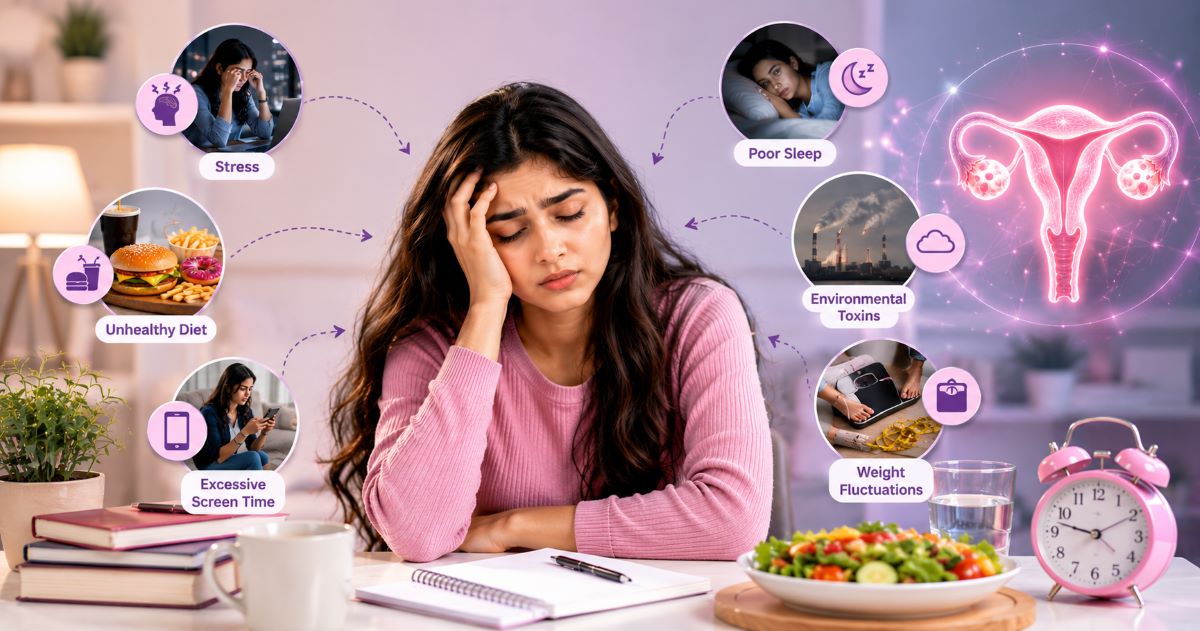
Hormonal imbalance has quietly become one of the most common health concerns among young women today. Problems like irregular periods, sudden weight gain, acne, fatigue, anxiety, hair fall, low energy, and mood swings are becoming increasingly common — even in women in their teens and twenties.
What’s alarming is that many women ignore these symptoms or consider them “normal,” while the body may actually be signaling deeper hormonal disruption.
Modern lifestyles, chronic stress, unhealthy eating habits, poor sleep, and lack of routine are putting more pressure on women’s hormones than ever before.
Understanding Hormonal Imbalance
Hormones are chemical messengers that regulate nearly every important function in the body — including metabolism, menstrual cycles, sleep, mood, fertility, skin health, digestion, and energy levels.
When hormones like estrogen, progesterone, insulin, cortisol, or thyroid hormones become imbalanced, the body may start responding with physical and emotional symptoms.
Even a small imbalance can affect overall wellbeing significantly.
Why Hormonal Imbalance Is Increasing in Young Women
1. Chronic Stress and Mental Pressure
Today’s fast-paced lifestyle exposes young women to constant stress from studies, work pressure, career expectations, social media comparison, and personal responsibilities.
Stress increases cortisol levels, often called the “stress hormone.” When cortisol remains high for long periods, it can interfere with reproductive hormones and menstrual health.
This may contribute to:
Irregular periods
Anxiety and mood swings
Sleep problems
Fatigue and burnout
2. Poor Sleep Is Disrupting Hormones
Late-night scrolling, binge-watching content, irregular sleep schedules, and excessive screen exposure are affecting sleep quality among young adults.
Sleep plays a major role in hormone repair and regulation. Lack of proper rest can affect:
Hunger hormones
Metabolism
Insulin sensitivity
Reproductive hormones
Poor sleep is also linked with increased cravings, low energy, and weight gain.
3. Unhealthy Diet Trends and Processed Foods
Many young women follow restrictive diets, skip meals, or rely heavily on processed foods and sugary drinks.
Crash dieting and nutritional deficiencies may negatively impact hormone production and overall health.
Excess sugar and ultra-processed foods can increase inflammation and insulin resistance — two major factors linked to hormonal disorders like PCOS.
4. Lack of Physical Activity
Modern routines often involve sitting for long hours, minimal movement, and low physical activity.
Regular exercise helps improve:
Blood circulation
Insulin sensitivity
Stress management
Hormone balance
A sedentary lifestyle may slow metabolism and worsen hormonal symptoms over time.
5. Rising Cases of PCOS and Thyroid Disorders
Conditions like PCOS (Polycystic Ovary Syndrome) and thyroid imbalance are becoming increasingly common among young women.
These conditions may cause:
Irregular menstrual cycles
Weight fluctuations
Acne and skin changes
Hair thinning
Fertility challenges
Early lifestyle management and medical guidance can help reduce long-term complications.
6. Social Media and Unrealistic Health Trends
Constant exposure to unrealistic beauty standards and “perfect body” culture online has increased unhealthy eating habits and stress around appearance.
Many women try extreme detoxes, restrictive diets, or random supplements without understanding how they affect hormones.
Hormonal health requires consistency and balance — not extreme trends.
Common Signs of Hormonal Imbalance
Hormonal imbalance symptoms can vary from person to person, but common warning signs include:
Irregular or painful periods
Acne and skin problems
Sudden weight gain or difficulty losing weight
Hair fall or unwanted facial hair
Mood swings and irritability
Fatigue and low energy
Poor sleep quality
Anxiety and stress
Low concentration levels
Ignoring these symptoms for long periods may affect overall health and wellbeing.
How Young Women Can Support Hormonal Health Naturally
Improving hormonal health does not always require extreme changes. Small daily habits can make a major difference over time.
Focus on Balanced Nutrition
Eat meals rich in:
Protein
Healthy fats
Fiber
Fruits and vegetables
Iron and vitamin-rich foods
Avoid excessive processed foods and sugary drinks whenever possible.
Prioritize Quality Sleep
Aim for 7–8 hours of proper sleep and reduce screen exposure before bedtime.
Stay Physically Active
Regular walking, yoga, strength training, or simple daily movement can help regulate hormones naturally.
Manage Stress
Practices like meditation, journaling, deep breathing, and spending time outdoors may help lower stress levels.
Avoid Extreme Dieting
Sustainable eating habits are healthier for hormones than restrictive or crash diets.
Final Thoughts
Hormonal imbalance among young women is increasing due to changing lifestyles, stress, poor sleep, unhealthy food habits, and lack of routine. While these issues are becoming more common, they should never be ignored.
Understanding the early signs and making healthier lifestyle choices can help support long-term hormonal balance naturally.
Small daily improvements in sleep, nutrition, movement, and stress management can have a powerful impact on women’s overall health, energy, and wellbeing.
Frequently Asked Questions
Share this post
Comments (0)
No comments yet. Be the first to comment!