
Why Your Period Changes in Your 20s, 30s & 40s
Your period doesn’t stay the same forever. From your 20s to your 40s, hormonal changes, lifestyle shifts, pregnancy, and perimenopause can all affect your menstrual cycle. Learn what period changes are normal by age, what causes them, and when it may be time to speak with a doctor.
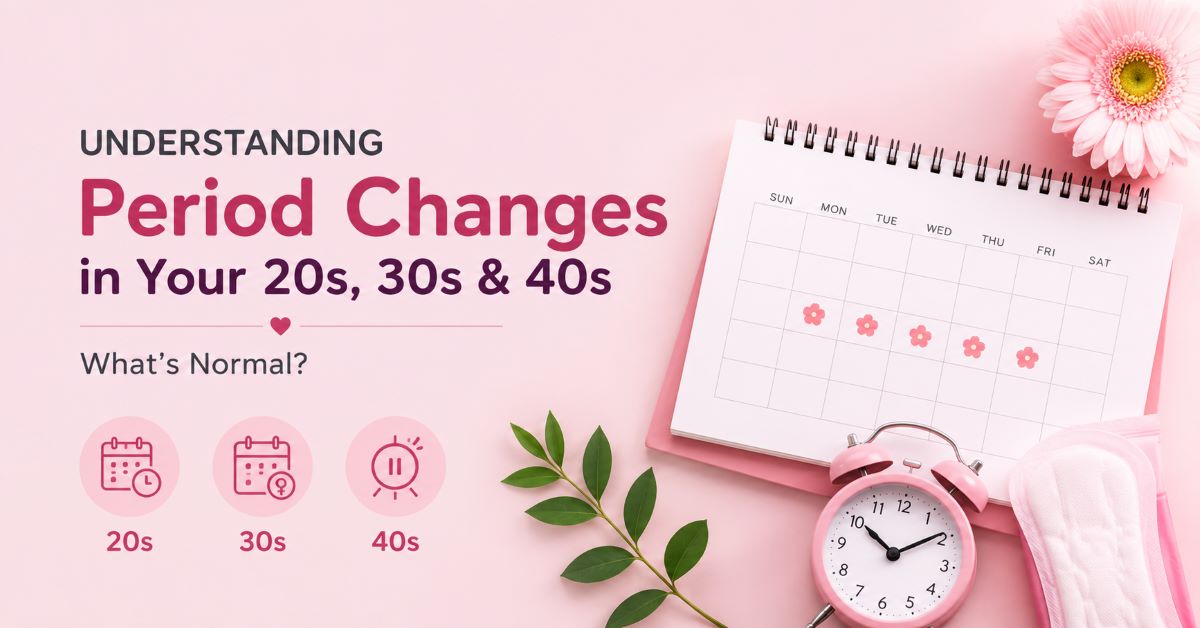
If you've noticed that your periods aren't the same as they were a few years ago, you're not alone. Many women experience changes in their menstrual cycle throughout different stages of life. What was once a predictable 28-day cycle in your 20s may become heavier, lighter, shorter, or more irregular as you move into your 30s and 40s.
Understanding why these changes happen can help you feel more confident about your body and know when it's time to seek medical advice. Let's explore how your period can change over the decades and what factors may be responsible.
Understanding Your Menstrual Cycle
Your menstrual cycle is controlled by hormones, primarily estrogen and progesterone. These hormones regulate ovulation and menstruation. As hormone levels naturally fluctuate with age, your cycle may change too.
While some changes are completely normal, others may signal an underlying health condition that deserves attention.
Period Changes in Your 20s
Your 20s are often when menstrual cycles become more regular after the hormonal adjustments of adolescence. However, this doesn't mean every cycle will be perfectly predictable.
Common Changes in Your 20s
More regular periods compared to the teenage years
Changes due to stress, travel, or lifestyle habits
Variations caused by starting or stopping birth control
Occasional missed periods
Changes in flow or cramping intensity
Why It Happens
Many women in their 20s experience significant lifestyle changes, including college, career growth, relationship changes, and shifting sleep patterns. These factors can affect hormone production and temporarily impact your cycle.
Conditions such as polycystic ovary syndrome (PCOS), thyroid disorders, and significant weight changes can also contribute to irregular periods during this decade.
Period Changes in Your 30s
Your 30s often bring new hormonal shifts. Many women notice subtle but noticeable changes in their menstrual cycle during this stage.
Common Changes in Your 30s
Heavier menstrual bleeding
Increased cramping
Shorter or longer cycles
Spotting between periods
Premenstrual symptoms becoming more noticeable
Why It Happens
Hormone levels begin to fluctuate more in your 30s, even though fertility remains relatively high for many women. Pregnancy, childbirth, breastfeeding, and changes in birth control methods can all affect menstrual patterns.
Conditions such as uterine fibroids, endometriosis, and adenomyosis may also become more common during this decade, contributing to heavier or more painful periods.
When to Pay Attention
Speak with a healthcare provider if you experience:
Extremely heavy bleeding
Severe pelvic pain
Bleeding between periods
Periods lasting longer than seven days
Period Changes in Your 40s
Your 40s are often associated with perimenopause, the transition phase before menopause. This stage can begin several years before periods stop completely.
Common Changes in Your 40s
Irregular periods
Missed cycles
Heavier or lighter bleeding
Shorter or longer menstrual cycles
Increased PMS symptoms
Night sweats and hot flashes
Why It Happens
As the ovaries gradually produce less estrogen, hormone fluctuations become more noticeable. Ovulation may not occur every month, leading to unpredictable cycles.
Some women may experience months of regular periods followed by months of irregular bleeding. This is a normal part of the transition toward menopause for many women.
Signs of Perimenopause
You may be entering perimenopause if you notice:
Significant changes in cycle length
Mood swings
Sleep disturbances
Vaginal dryness
Hot flashes
Decreased fertility
Factors That Can Affect Your Period at Any Age
While age plays a major role, several other factors can influence your menstrual cycle throughout life:
Stress
Physical and emotional stress can affect hormone production and delay ovulation.
Weight Changes
Rapid weight gain or loss can disrupt hormone balance and menstrual regularity.
Exercise Habits
Excessive exercise may cause missed or irregular periods.
Medical Conditions
Certain health conditions can affect menstruation, including:
PCOS
Thyroid disorders
Endometriosis
Uterine fibroids
Diabetes
Medications
Birth control, antidepressants, and other medications may influence menstrual patterns.
When Should You See a Doctor?
Although many period changes are normal, some symptoms should not be ignored.
Consult a healthcare professional if you experience:
Bleeding between periods
Extremely heavy bleeding
Severe pelvic pain
Periods that suddenly become very irregular
Missing periods without pregnancy
Bleeding after menopause
Early evaluation can help identify underlying conditions and provide appropriate treatment.
Tips for Supporting Menstrual Health
Maintaining overall health can help support a more balanced menstrual cycle.
Healthy Habits Include:
Eating a nutritious diet
Staying physically active
Managing stress levels
Getting enough sleep
Staying hydrated
Scheduling regular gynecological checkups
Final Thoughts
Your period is not meant to stay exactly the same throughout your life. Changes in your 20s, 30s, and 40s are often a normal result of hormonal fluctuations, lifestyle factors, and reproductive changes.
Understanding what's typical for your age can help you recognize when changes are normal and when they may require medical attention. If something feels unusual or concerning, don't hesitate to speak with your healthcare provider. Paying attention to your menstrual health is an important part of caring for your overall well-being.
References
American College of Obstetricians and Gynecologists (ACOG). Your Menstrual Cycle
https://www.acog.org/womens-health/faqs/your-menstrual-cycleMayo Clinic. Menstrual Cycle: What's Normal, What's Not
https://www.mayoclinic.org/healthy-lifestyle/womens-health/in-depth/menstrual-cycle/art-20047186National Institute on Aging. What Is Perimenopause?
https://www.nia.nih.gov/health/menopause/what-perimenopauseOffice on Women’s Health. Menstrual Cycle
https://www.womenshealth.gov/menstrual-cycleCleveland Clinic. Perimenopause: Symptoms and Causes
https://my.clevelandclinic.org/health/diseases/21608-perimenopauseMayo Clinic. Polycystic Ovary Syndrome (PCOS)
https://www.mayoclinic.org/diseases-conditions/pcos/symptoms-causes/syc-20353439NHS. Heavy Periods (Menorrhagia)
https://www.nhs.uk/conditions/heavy-periods/
Disclaimer
This article is intended for informational and educational purposes only and should not be considered medical advice, diagnosis, or treatment. Menstrual cycle changes vary from person to person and may be influenced by age, lifestyle, hormonal shifts, or underlying health conditions. If you experience severe pain, unusually heavy bleeding, missed periods, or sudden menstrual changes, consult a qualified healthcare professional or gynecologist for proper evaluation and guidance.
Frequently Asked Questions
Share this post
Comments (0)
No comments yet. Be the first to comment!