
Women’s Health Symptoms That Are Often Misunderstood: Common Health Mistakes Women Make and When to Take Them Seriously
Learn the common health mistakes women make, symptoms you should never ignore, and when to seek medical care for better long-term health.
Many women are taught to "push through" discomfort.
Feeling constantly tired?
Skipping meals because of a busy schedule?
Assuming painful periods are simply part of being a woman?
These experiences are so common that they often become normalized. But while many symptoms are harmless or temporary, others may be your body's early way of asking for attention.
One of the most common health mistakes women make is dismissing persistent symptoms as stress, aging, hormonal changes, or simply being "too busy." This can sometimes delay the diagnosis of conditions such as iron deficiency, thyroid disorders, endometriosis, polycystic ovary syndrome (PCOS), diabetes, cardiovascular disease, autoimmune disorders, or mental health conditions.
The encouraging news is that recognizing early warning signs does not mean expecting the worst. Instead, it means understanding your body, seeking appropriate medical advice when needed, and taking proactive steps toward long-term health.
At NexaFem, we believe preventive healthcare begins with awareness. Combining evidence-based education with AI-powered symptom insights can help women better understand patterns in their health and know when to seek professional care.
Quick Summary (TL;DR)
Many women's health symptoms are often mistaken for normal stress, aging, or hormonal fluctuations.
Persistent fatigue, abnormal bleeding, pelvic pain, unexplained weight changes, and ongoing digestive symptoms deserve medical evaluation.
Early diagnosis often leads to more treatment options and better health outcomes.
Tracking symptoms over time can help healthcare professionals identify patterns more accurately.
Preventive healthcare, healthy lifestyle habits, and regular checkups remain essential for lifelong women's wellness.
Why Are Women's Health Symptoms Often Misunderstood?
Historically, many health conditions affecting women have been under-researched or diagnosed later than similar conditions in men. Today, awareness is improving, but many women still delay seeking medical care because symptoms appear mild, develop gradually, or resemble everyday stress.
Research and public health organizations, including the World Health Organization (WHO), continue to emphasize the importance of early recognition, preventive care, and equitable access to women's healthcare services.
One reason symptoms are overlooked is that several different conditions can share similar warning signs. For example, fatigue may result from inadequate sleep, but it can also be associated with anemia, thyroid disease, depression, pregnancy, chronic inflammation, or nutritional deficiencies.
Rather than trying to self-diagnose, it is helpful to observe how long symptoms last, whether they interfere with daily life, and whether they continue despite rest or lifestyle changes.
For women interested in understanding hormonal patterns, learning about how menstrual tracking helps you understand hormonal health can provide valuable context for conversations with a healthcare provider.
According to the World Health Organization, preventive care and early recognition of symptoms play a significant role in improving women's long-term health outcomes.
Common Health Mistakes Women Make
Many delays in diagnosis happen not because symptoms are severe, but because they seem familiar or manageable.
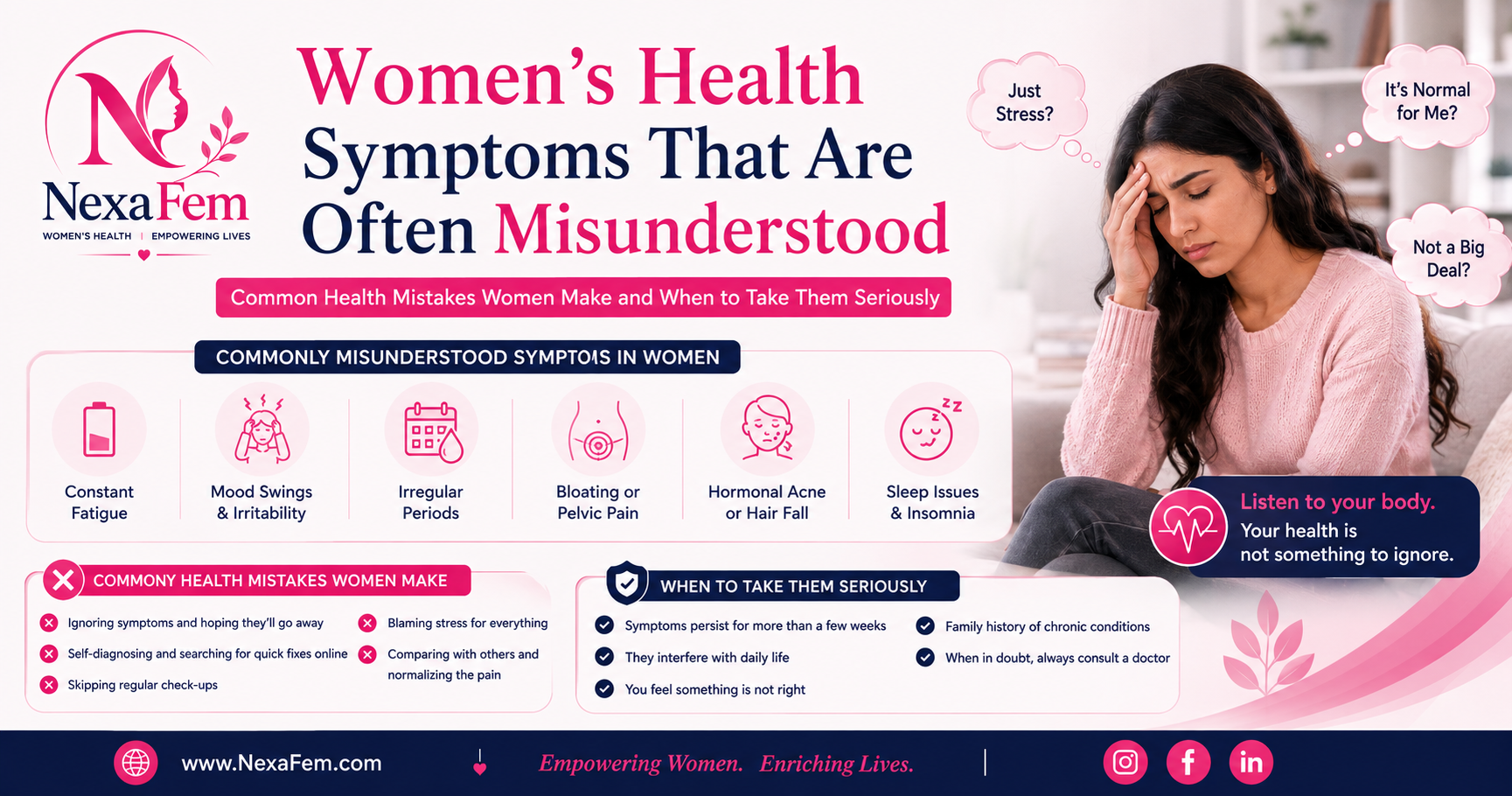
Some of the most common health mistakes women make include:
Assuming fatigue is always caused by a busy lifestyle.
Ignoring unusually heavy menstrual bleeding.
Believing severe period pain is always normal.
Treating recurring bloating as only a digestive issue.
Delaying preventive health screenings because there are no symptoms.
Ignoring changes in mood, sleep, or concentration.
Self-treating symptoms for months without medical advice.
None of these automatically indicate a serious condition. However, if symptoms persist, worsen, or interfere with daily life, they should be discussed with a qualified healthcare professional.
Women's Health Symptoms That Should Never Be Ignored
Persistent Fatigue
Feeling tired after a stressful week is normal.
Feeling exhausted every day despite adequate sleep is not something to ignore.
Persistent fatigue may be associated with:
Iron deficiency anemia
Thyroid disorders
Vitamin B12 deficiency
Depression or anxiety
Chronic inflammatory conditions
Sleep disorders
Diabetes
If fatigue continues for several weeks or is accompanied by dizziness, shortness of breath, or unexplained weight loss, medical evaluation is recommended.
The NHS advises that persistent tiredness should be assessed, particularly if lifestyle changes do not improve symptoms.
Source:
NHS – Tiredness and FatigueHeavy or Irregular Menstrual Bleeding
Menstrual cycles naturally vary throughout life, especially during adolescence, after pregnancy, and during perimenopause.
However, bleeding that is consistently very heavy, lasts longer than seven days, or occurs between periods may require evaluation.
Possible underlying causes include:
Fibroids
PCOS
Endometriosis
Adenomyosis
Thyroid disorders
Hormonal imbalance
Pregnancy-related conditions
Bleeding disorders
Heavy menstrual bleeding can also increase the risk of iron deficiency anemia, leading to fatigue and reduced quality of life.
Women experiencing ongoing menstrual changes may also benefit from reading why your period changes in your 20s, 30s, and 40s, as age-related hormonal shifts can influence cycle patterns.
Pelvic Pain
Mild menstrual cramping is common.
Pelvic pain that becomes severe, worsens over time, occurs outside menstruation, or affects daily activities deserves medical assessment.
Potential causes include:
Endometriosis
Ovarian cysts
Pelvic inflammatory disease
Fibroids
Urinary tract disorders
Gastrointestinal conditions
According to the American College of Obstetricians and Gynecologists (ACOG), chronic pelvic pain should not be considered a normal part of menstruation and often requires further evaluation.
Source:
American College of Obstetricians and Gynecologists (ACOG)Persistent Bloating
Occasional bloating after eating is common.
However, bloating that occurs almost daily, continues for several weeks, or is accompanied by pelvic pain, early fullness, changes in bowel habits, or unexplained weight loss should not be ignored.
Possible causes include:
Food intolerances
Irritable bowel syndrome (IBS)
Endometriosis
Ovarian cysts
Ovarian cancer (less common but important to rule out)
Persistent bloating is not automatically a sign of cancer, but it is one of several symptoms that healthcare professionals may evaluate when symptoms are ongoing.
Unexplained Weight Changes
Unexpected weight gain or weight loss without significant changes in diet or physical activity may signal an underlying health condition.
Possible causes include:
Thyroid disorders
PCOS
Diabetes
Chronic illness
Digestive disorders
Certain medications
Mental health conditions
If weight changes occur alongside fatigue, menstrual irregularities, or hair loss, a healthcare provider may recommend blood tests and further evaluation.
Understanding hormone-supportive nutrition for women can also help support overall metabolic health alongside professional medical care.
Mood Changes That Persist
Everyone experiences stress and emotional ups and downs.
However, persistent low mood, anxiety, irritability, difficulty concentrating, or loss of interest in everyday activities may indicate a mental health condition or hormonal changes.
Mental and physical health are closely connected.
Conditions such as thyroid disorders, perimenopause, PMDD (Premenstrual Dysphoric Disorder), and chronic pain can all affect emotional wellbeing.
The Centers for Disease Control and Prevention (CDC) encourages women to seek support early for ongoing mental health concerns rather than waiting until symptoms become severe.
Source:
CDC – Women's HealthCould Hormones Be Contributing?
Hormones influence nearly every major system in the body, including metabolism, sleep, mood, skin health, reproductive function, bone health, and cardiovascular health.
Changes in hormone levels can occur naturally during puberty, pregnancy, postpartum recovery, perimenopause, and menopause. However, persistent hormonal symptoms should not automatically be dismissed as "normal."
Common signs that may suggest a hormonal imbalance include:
Irregular periods
Acne that develops or worsens in adulthood
Excess facial hair growth
Hair thinning
Night sweats
Persistent fatigue
Difficulty sleeping
Mood swings
Unexplained weight changes
Keeping a detailed symptom journal—or using an AI-powered symptom checker and menstrual cycle tracker—can help identify patterns over time. While these tools do not replace a healthcare professional, they can support more informed conversations during medical appointments.
Risk Factors for Common Women's Health Problems
Some women are more likely to experience certain health conditions based on their age, family history, lifestyle, or underlying medical conditions. Having one or more risk factors does not mean you will develop a disease, but it highlights the importance of preventive care and regular health checkups.
Common risk factors include:
Family history of diabetes, thyroid disease, heart disease, PCOS, endometriosis, or certain cancers
Being overweight or underweight
Smoking or excessive alcohol consumption
Chronic stress and poor sleep
Physical inactivity
Nutritional deficiencies, particularly iron, vitamin D, and vitamin B12
Pregnancy or postpartum hormonal changes
Perimenopause and menopause
Autoimmune disorders
Understanding your personal risk profile allows you and your healthcare provider to make informed decisions about screening and preventive care.
How Are Women's Health Symptoms Diagnosed?
Many women worry that they need extensive testing to find answers. In reality, diagnosis usually begins with a detailed conversation about your symptoms and medical history.
A healthcare professional may recommend:
A physical examination
Blood tests (such as thyroid function, blood sugar, iron levels, vitamin B12, or hormone tests when appropriate)
Urine tests
Pelvic examination
Ultrasound imaging
Cervical screening if indicated
Additional imaging or specialist referral depending on symptoms
The National Institute for Health and Care Excellence (NICE) recommends that persistent or unexplained symptoms should be assessed systematically rather than being attributed solely to stress or lifestyle factors.
Source:
NICE – Women's Health GuidanceLifestyle Habits That Support Women's Health
Healthy habits cannot prevent every illness, but they play an important role in supporting hormonal balance, heart health, mental wellbeing, and overall quality of life.
Simple daily habits include:
Aim for regular physical activity throughout the week.
Prioritize 7–9 hours of quality sleep.
Eat balanced meals with adequate protein, fiber, healthy fats, and colorful fruits and vegetables.
Stay well hydrated.
Manage stress through mindfulness, breathing exercises, or enjoyable hobbies.
Avoid smoking and limit alcohol intake.
Attend recommended health screenings and vaccinations.
Women looking to build healthier routines may also benefit from learning about daily habits that naturally support hormonal health, which complements preventive healthcare without replacing medical treatment.
Nutrition and Hormonal Health
Nutrition is one of the foundations of long-term women's wellness. While no single food can cure hormonal conditions, a balanced eating pattern helps support energy, metabolism, bone health, and reproductive health.
Consider including:
Iron-rich foods such as lentils, beans, spinach, lean meat, and fortified cereals
Calcium-rich foods for bone health
Vitamin D through safe sunlight exposure, fortified foods, or supplements if recommended
Omega-3 fatty acids from fish, walnuts, and flaxseeds
Whole grains and high-fiber foods
Fruits and vegetables rich in antioxidants
Limiting highly processed foods, sugary beverages, and excessive ultra-processed snacks may also support overall metabolic health.
Women with PCOS, diabetes, thyroid disorders, or digestive conditions should discuss individualized nutrition plans with a registered dietitian or healthcare professional.
The Mental Wellness Connection
Physical symptoms and emotional wellbeing are deeply connected.
Living with unexplained fatigue, chronic pain, irregular periods, infertility, or hormonal changes can affect confidence, relationships, work performance, and mental health.
Some women may experience:
Anxiety
Depression
Irritability
Brain fog
Difficulty sleeping
Reduced self-esteem
Seeking support for emotional wellbeing is just as important as treating physical symptoms. Mental health professionals, primary care physicians, and gynecologists can all play a role in comprehensive care.
If persistent emotional symptoms interfere with daily life, professional assessment is recommended.
Prevention: Small Steps That Make a Big Difference
Preventive healthcare is about identifying risks early rather than waiting for symptoms to become severe.
Helpful preventive practices include:
Scheduling regular health checkups
Attending cervical and breast screening appointments as recommended
Tracking menstrual cycles and symptoms
Monitoring blood pressure and blood sugar when appropriate
Maintaining a healthy body weight
Staying physically active
Keeping vaccinations up to date
Seeking medical advice for symptoms that persist or worsen
An AI-powered women's health dashboard that combines symptom tracking, menstrual insights, and wellness trends can also help women recognize patterns that may otherwise be overlooked. While these digital tools cannot diagnose medical conditions, they can support more informed conversations with healthcare professionals.
Treatment Overview
Treatment depends entirely on the underlying cause.
Your healthcare provider may recommend:
Lifestyle modifications
Nutritional counseling
Iron or vitamin supplementation if deficiencies are confirmed
Hormonal therapies when clinically appropriate
Medications for thyroid disease, diabetes, infections, or other diagnosed conditions
Physical therapy for pelvic pain in selected cases
Psychological therapies for anxiety or depression
Referral to specialists such as a gynecologist, endocrinologist, gastroenterologist, or mental health professional
There is rarely a one-size-fits-all solution. Personalized care plans often provide the best long-term outcomes.
When Should You See a Doctor?
Many symptoms improve on their own, but you should arrange a medical evaluation if you experience:
Fatigue lasting several weeks
Heavy menstrual bleeding
Bleeding between periods
Severe or worsening pelvic pain
Persistent bloating
Unexplained weight loss or gain
Ongoing digestive changes
Persistent mood changes
Recurrent dizziness or fainting
Symptoms that interfere with daily activities
Early evaluation often makes diagnosis and treatment more straightforward.
Red Flag Symptoms That Need Urgent Medical Attention
Seek urgent medical care if you experience:
Sudden chest pain
Difficulty breathing
Severe abdominal pain
Heavy bleeding causing dizziness or fainting
Loss of consciousness
Sudden weakness or difficulty speaking
Pregnancy with severe pain or heavy bleeding
High fever with severe pelvic pain
These symptoms require immediate medical assessment and should not be managed through online information alone.
People Also Ask
Are women's health symptoms often mistaken for stress?
Yes. Fatigue, headaches, digestive changes, and mood symptoms are commonly attributed to stress. However, if symptoms persist or worsen, they should be evaluated because they may also indicate thyroid disorders, anemia, hormonal conditions, diabetes, or other medical problems.
What symptoms should women never ignore?
Symptoms that deserve medical attention include persistent fatigue, heavy or irregular bleeding, severe pelvic pain, unexplained weight changes, ongoing bloating, chest pain, and significant changes in mental health.
Can hormones cause multiple symptoms at once?
Yes. Hormonal changes may affect menstruation, mood, skin, sleep, weight, energy levels, and fertility. Because many conditions share similar symptoms, a proper medical evaluation is important before assuming hormones are the cause.
How can I keep track of my symptoms?
Keeping a daily symptom diary or using a menstrual cycle tracker and symptom tracker can help identify patterns over time. Sharing this information with your healthcare provider may improve the diagnostic process.
Can healthy lifestyle habits prevent all women's health conditions?
No. Healthy habits reduce the risk of many chronic diseases and support overall wellbeing, but they cannot prevent every medical condition. Regular health screenings and timely medical care remain essential.
Final Thoughts
Women's health is about more than treating illness—it is about recognizing your body's signals, understanding what is normal for you, and seeking support when something changes.
Many women's health symptoms are subtle at first. They may appear gradually, come and go, or resemble everyday stress. Paying attention to persistent symptoms does not mean expecting the worst; it means giving yourself the opportunity for earlier answers and better health outcomes.
One of the common health mistakes women make is waiting too long before discussing ongoing symptoms with a healthcare professional. Listening to your body, attending preventive screenings, and tracking changes over time are simple yet powerful steps toward lifelong wellbeing.
At NexaFem, our vision is to make preventive healthcare more accessible through medically responsible education and AI-powered wellness insights. By combining symptom awareness, menstrual intelligence, and personalized health tracking, women can become active partners in their own health journey.
Disclaimer
This article is provided for informational and educational purposes only and should not be considered medical advice, diagnosis, or treatment. Every person's health situation is unique. If you have persistent symptoms, concerns about your menstrual cycle, severe pain, abnormal bleeding, or any other health issue, consult a qualified healthcare professional or licensed physician for appropriate medical evaluation and personalized care. Never delay seeking medical advice because of information you have read online.
Frequently Asked Questions
Share this post
Comments (0)
No comments yet. Be the first to comment!