
Ayurveda for Hair Fall: Natural Care and Herbal Remedies
Explore Ayurveda for hair fall, including traditional herbs, scalp care, nutrition and lifestyle tips to support healthier hair naturally.
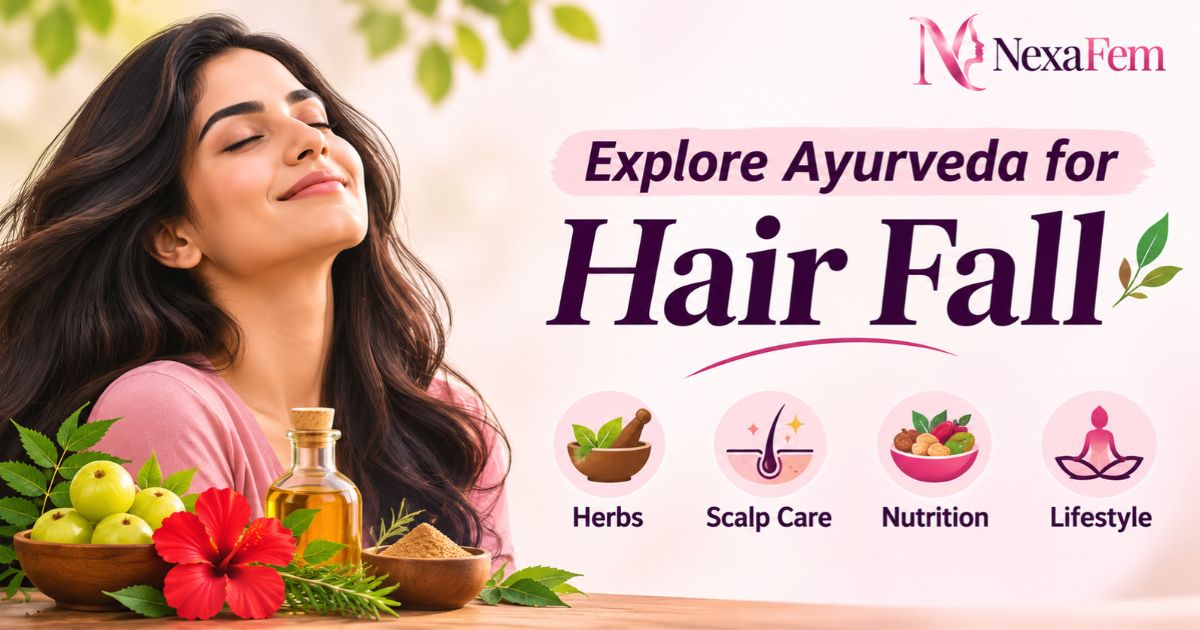
Finding more hair than usual on your pillow, bathroom floor or hairbrush can be worrying. Perhaps your ponytail feels thinner, your hair parting looks wider, or your once-healthy hair seems weaker and more prone to breakage.
Hair fall is a common concern among women, but its causes are not always the same. Stress, nutritional deficiencies, hormonal changes, thyroid disorders, pregnancy, postpartum recovery, genetics and certain scalp conditions can all influence hair health.
In India, Ayurveda has long been part of traditional hair care. Ingredients such as amla, bhringraj, neem, hibiscus and coconut oil are commonly used in homemade hair preparations and herbal formulations. Traditional practices also emphasize nourishing food, regular routines, scalp care and overall wellbeing.
But can Ayurveda actually help with hair fall?
The answer requires a balanced perspective. Some traditional hair-care practices may support scalp comfort and reduce hair-shaft damage, while scientific evidence for herbal treatments that stimulate new hair growth remains limited. More importantly, persistent hair loss may indicate an underlying health concern that needs medical attention.
This guide explores Ayurveda for hair fall, commonly used herbs, nutrition, lifestyle habits and safe hair-care practices to help women make informed decisions about their hair health.
Quick Summary
Ayurveda traditionally emphasizes nourishing the body, maintaining scalp health and following consistent hair-care routines.
Amla, bhringraj, neem and hibiscus are commonly used in traditional Ayurvedic hair preparations, but strong clinical evidence for treating hair loss is limited.
Adequate protein, iron and other essential nutrients support normal hair growth.
Hormonal changes, stress, thyroid conditions, iron deficiency and postpartum recovery can contribute to hair shedding.
Persistent, sudden or patchy hair loss should be evaluated by a dermatologist or qualified healthcare professional.
Understanding Hair Fall: What Is Normal and What Is Not?
Hair naturally goes through a continuous growth cycle consisting of three main stages:
1. Anagen (Growth Phase)
This is the active growth stage, during which hair follicles produce new hair. It can last several years.
2. Catagen (Transition Phase)
Hair growth slows, and the follicle begins to shrink. This stage generally lasts a few weeks.
3. Telogen (Resting Phase)
Hair rests before eventually shedding, allowing a new hair to grow.
Losing approximately 50–100 hairs daily is generally considered normal. However, noticeable increases in shedding, progressive thinning or visible patches of hair loss deserve attention.
Common signs of excessive hair fall
Finding noticeably more hair on your pillow or in the shower.
A widening hair parting.
Reduced hair volume or a thinner ponytail.
Increased hair breakage.
Visible scalp through previously thick hair.
Small bald patches or localized hair loss.
Hair shedding and hair thinning are not necessarily the same condition. Excessive shedding may be temporary, while progressive thinning can indicate a longer-term hair-growth disorder.
Why Do Women Experience Hair Fall?
Understanding the underlying cause is the first step towards choosing appropriate hair care.
1. Hormonal changes
Hormonal fluctuations can influence hair growth and shedding throughout a woman's life.
Some common situations include:
Pregnancy and postpartum recovery.
Polycystic ovary syndrome (PCOS).
Perimenopause and menopause.
Thyroid disorders.
Changes associated with hormonal contraception.
For example, some women experience increased shedding approximately two to four months after childbirth. This is commonly associated with postpartum telogen effluvium.
During perimenopause and menopause, changes in oestrogen levels may also contribute to changes in hair density and texture.
However, not every woman experiencing hair thinning has a hormonal imbalance. Female pattern hair loss can also occur when circulating hormone levels are normal.
2. Nutritional deficiencies
Hair growth requires adequate nutrition.
Insufficient intake or deficiency of certain nutrients may contribute to excessive shedding, including:
Iron.
Protein.
Zinc.
Vitamin B12.
Vitamin D.
Women experiencing heavy menstrual bleeding, restrictive diets or rapid weight loss may be more vulnerable to certain nutritional deficiencies.
Iron deficiency is particularly relevant for women with heavy periods. However, supplements should only be taken when medically indicated.
3. Stress and poor sleep
Physical or emotional stress can disrupt the normal hair growth cycle.
Major illness, surgery, emotional distress, rapid weight loss and inadequate nutrition can trigger a condition called telogen effluvium.
This may cause noticeable shedding several months after the triggering event.
4. Thyroid conditions
Both an underactive and overactive thyroid can affect hair growth.
If hair fall occurs alongside unexplained fatigue, weight changes, constipation, increased sensitivity to cold or menstrual irregularities, medical evaluation may be helpful.
5. Scalp problems and hair-care practices
Dandruff, scalp inflammation, fungal infections and other dermatological conditions can affect scalp health.
Frequent chemical treatments, excessive heat styling, tight hairstyles and aggressive brushing can also damage the hair shaft and contribute to breakage.
Identifying the cause matters because applying herbal oils alone will not correct every type of hair loss.
What Does Ayurveda Say About Hair Fall?
In Ayurveda, hair health is traditionally associated with overall nourishment, digestive wellbeing and the condition of the body's tissues.
Traditional Ayurvedic literature discusses hair-related concerns using concepts such as Khalitya, commonly associated with hair loss, and Palitya, associated with premature greying.
Ayurvedic practitioners may consider individual constitution, lifestyle, diet and traditional dosha frameworks when discussing hair concerns.
Vata, pitta and kapha are the three doshas in Ayurveda. Traditional interpretations may associate different patterns of hair and scalp concerns with changes in these doshas.
For example:
Vata-related interpretations may emphasize dryness and rough hair.
Pitta-related interpretations may emphasize heat and scalp sensitivity.
Kapha-related interpretations may emphasize oiliness and heaviness.
These are traditional concepts, not scientifically established medical explanations for hair loss.
Traditional Ayurvedic perspective
Ayurvedic hair care commonly emphasizes:
Nourishing and freshly prepared food.
Regular sleep and daily routines.
Gentle scalp massage.
Traditional herbal oils.
Stress management.
Personalised lifestyle practices.
What modern research says
Modern dermatology identifies several distinct causes of hair loss, including female pattern hair loss, telogen effluvium, alopecia areata and inflammatory scalp conditions.
There is currently insufficient high-quality clinical evidence to establish that Ayurvedic dosha balancing or traditional herbal preparations can reliably reverse these conditions.
Practical takeaway
Ayurveda can offer a culturally familiar framework for gentle self-care. However, traditional hair-care practices should complement appropriate medical assessment rather than replace it.
Ayurvedic Herbs Traditionally Used for Hair Health
Several herbs are widely used in Indian hair-care traditions. They appear in herbal oils, powders, shampoos and homemade preparations.
Their traditional uses are worth understanding, but it is equally important to recognise the limitations of scientific evidence.
1. Amla (Indian Gooseberry)
Amla, scientifically known as Phyllanthus emblica, is a familiar ingredient in Indian hair-care traditions.
Traditional Ayurvedic perspective
Amla is traditionally valued for its nourishing and cooling properties. It is commonly used in hair oils, herbal powders and hair masks.
It is also consumed as part of the diet.
What modern evidence says
Amla contains vitamin C and various polyphenolic compounds with antioxidant activity.
However, evidence that applying amla directly to the scalp prevents hair loss or stimulates new hair growth in women remains limited.
Practical takeaway
Amla can be included in a balanced diet and used as a cosmetic hair-care ingredient if tolerated. It should not be considered a proven treatment for hair loss.
2. Bhringraj (Eclipta prostrata)
Bhringraj is one of the most recognisable herbs in traditional Ayurvedic hair-care formulations.
Traditional Ayurvedic perspective
It is traditionally used in hair oils and preparations intended to nourish the scalp and maintain hair health.
Bhringraj oil is particularly popular in Indian households.
What modern evidence says
Some preliminary laboratory and animal studies have explored the potential biological effects of Eclipta species on hair growth.
However, these findings do not establish that bhringraj oil prevents hair loss or produces clinically meaningful hair regrowth in women.
Reliable human clinical evidence remains insufficient.
Practical takeaway
Bhringraj-based oils may be used as cosmetic hair-care products if they suit your scalp. Choose reputable formulations and discontinue use if irritation develops.
3. Neem (Azadirachta indica)
Neem is traditionally used in Indian skincare and scalp-care preparations.
Traditional Ayurvedic perspective
Neem is commonly associated with cleansing and skin-care practices. It is included in some traditional formulations for oily or uncomfortable scalps.
What modern evidence says
Neem contains several biologically active plant compounds. Laboratory research has investigated its antimicrobial and anti-inflammatory properties.
However, these findings do not establish neem as a treatment for hair loss, dandruff or scalp infections in humans.
Practical takeaway
Neem-containing cosmetic products may suit some people, but persistent itching, redness, scaling or scalp inflammation requires proper assessment.
4. Hibiscus (Hibiscus rosa-sinensis)
Hibiscus flowers and leaves are frequently used in homemade Indian hair masks and oils.
Traditional Ayurvedic perspective
Hibiscus is traditionally included in hair preparations intended to condition hair and improve its appearance.
What modern evidence says
Some preliminary experimental research has investigated hibiscus extracts and hair-growth-related effects. However, evidence from human clinical trials is insufficient.
Practical takeaway
Hibiscus can be used as an optional cosmetic conditioning ingredient if your scalp and skin tolerate it. Do not rely on it to reverse hair thinning.
5. Fenugreek (Methi)
Fenugreek seeds are commonly used in traditional Indian hair masks.
Traditional Ayurvedic perspective
Methi preparations are traditionally used to condition hair and improve its texture.
What modern evidence says
Fenugreek contains plant compounds and mucilage, which may contribute to its conditioning properties. However, there is insufficient clinical evidence to establish that topical fenugreek prevents hair loss or promotes hair regrowth.
Practical takeaway
If you enjoy homemade fenugreek masks, use them cautiously and discontinue them if itching or irritation occurs.
Ayurvedic Hair Oils and Scalp Massage: Do They Help?
Oil massage is an important part of traditional Indian self-care.
Commonly used oils include:
Coconut oil.
Sesame oil.
Bhringraj-infused oil.
Amla-infused oil.
Brahmi-infused oil.
Traditional Ayurvedic perspective
Abhyanga refers to the traditional practice of oil massage. Hair and scalp massage may be incorporated into personal self-care routines.
Different oils are selected according to traditional practices and individual preferences.
What modern evidence says
Coconut oil has some evidence for reducing protein loss from hair when used as a pre-wash treatment. This may help reduce damage to the hair shaft.
However, reducing hair breakage is different from stimulating new hair growth.
There is insufficient evidence that routine scalp oil massage reverses female pattern hair loss or treats hormonal hair shedding.
How to practise gentle scalp oiling
If your scalp tolerates oil:
Choose a simple, reputable hair oil.
Apply a small quantity to the scalp or hair lengths, depending on your needs.
Massage gently using your fingertips.
Avoid scratching or pulling the hair.
Wash with a mild shampoo when needed.
You do not need to apply large quantities or leave oil overnight.
Avoid heavy oiling if it worsens scalp itching, dandruff or folliculitis. Patch-test new products before regular use.
Ayurvedic Diet for Healthy Hair Growth
Healthy hair begins with adequate nourishment.
Although no particular Ayurvedic food can guarantee hair regrowth, traditional Indian meals can provide many nutrients required for normal hair growth.
1. Include adequate protein
Hair is primarily made of a structural protein called keratin.
Insufficient protein intake can interfere with normal hair growth.
Vegetarian sources include:
Dal and lentils.
Chickpeas and kidney beans.
Paneer.
Curd.
Soybeans and tofu.
Nuts and seeds.
Try to include a protein source in your regular meals.
2. Eat iron-rich foods
Iron supports the production of haemoglobin, which helps transport oxygen throughout the body.
Useful dietary sources include:
Spinach and other leafy greens.
Lentils.
Chickpeas.
Sesame seeds.
Beans.
Fortified cereals.
Pairing plant-based iron sources with vitamin C-rich foods, such as amla, guava, lemon or oranges, can improve non-haem iron absorption.
If you have heavy menstrual bleeding or persistent hair shedding, ask your healthcare professional whether iron testing is appropriate.
3. Include zinc-rich foods
Zinc contributes to normal cell growth and tissue repair.
Dietary sources include pumpkin seeds, sesame seeds, legumes, nuts and whole grains.
4. Include healthy fats
Nuts, seeds and other sources of unsaturated fats contribute to a balanced diet.
Walnuts, almonds, flaxseeds and chia seeds can be included according to individual dietary needs.
5. Maintain adequate hydration
Drinking sufficient water supports general health.
However, drinking excessive amounts of water does not directly stimulate hair growth.
An example of a balanced Indian hair-health diet
A simple vegetarian meal pattern could include:
Breakfast: Vegetable poha with peanuts or besan chilla with curd.
Mid-morning: A seasonal fruit such as guava or orange.
Lunch: Dal, roti or millet, seasonal vegetables and curd.
Evening snack: Roasted chana or a small portion of nuts.
Dinner: Vegetable khichdi with paneer or another protein source.
Individual nutritional requirements vary. Women with diagnosed deficiencies may need a personalised dietary and medical plan.
Lifestyle Habits That May Support Hair Health
Ayurveda traditionally emphasises the relationship between daily habits and overall wellbeing.
Several practical habits also align with modern recommendations for maintaining general health.
1. Follow a consistent daily routine (Dinacharya)
Dinacharya refers to the traditional Ayurvedic concept of maintaining a regular daily routine.
A balanced routine may include:
Waking and sleeping at consistent times.
Eating meals regularly.
Maintaining adequate hydration.
Including daily physical activity.
Making time for relaxation.
There is no strong clinical evidence that dinacharya directly reverses hair loss. However, consistent routines can support sleep, nutrition and stress management.
2. Prioritise sleep
Poor sleep can affect overall health, mood and daily functioning.
Aim for approximately seven to nine hours of sleep, depending on your individual needs.
Helpful habits include maintaining a regular bedtime, reducing late-night screen use and creating a comfortable sleeping environment.
3. Manage stress
Long-term stress can contribute to excessive hair shedding in some women.
Consider activities such as:
Meditation.
Gentle yoga.
Walking.
Deep breathing.
Journaling.
Spending time outdoors.
These practices may support emotional wellbeing, although they are not established treatments for all types of hair loss.
4. Practise gentle hair care
Daily hair-care habits can reduce unnecessary damage.
Avoid very tight ponytails and hairstyles.
Limit excessive heat styling.
Avoid frequent harsh chemical treatments.
Use a suitable shampoo for your scalp.
Condition hair lengths regularly.
Detangle gently, especially when hair is wet.
Avoid aggressive towel drying.
These habits may help prevent breakage and traction-related damage.
Hair Fall During Different Stages of a Woman's Life
Hair changes are not limited to one age group. A woman's reproductive and hormonal stages can influence her hair-growth cycle.
Hair fall in your 20s
Women in their twenties may experience hair shedding associated with nutritional deficiencies, stress, restrictive diets, scalp conditions or PCOS.
If hair fall occurs alongside irregular periods, acne or increased facial hair, a medical assessment may help identify possible hormonal or other contributing factors.
Hair fall in your 30s
Pregnancy, postpartum recovery, stress, changing dietary habits and female pattern hair loss can all influence hair density.
Postpartum shedding is common and often temporary, but severe or prolonged hair loss should be evaluated.
Hair fall during perimenopause
Perimenopause is the transition leading up to menopause.
Some women notice changes in hair thickness, texture or density during this stage.
However, progressive thinning should not automatically be attributed to hormones or ageing. A dermatologist can assess whether female pattern hair loss or another condition is involved.
Hair fall after menopause
Changes in hair density may become more noticeable after menopause.
A balanced diet, gentle hair care and appropriate medical assessment can help women understand and manage these changes.
Common Misconceptions About Ayurvedic Hair Care
Myth 1: Ayurvedic oils can permanently stop hair fall
Fact: Oils may condition hair and reduce some forms of hair-shaft damage. They are not proven treatments for every cause of hair loss.
Myth 2: Natural herbs are always safe
Fact: Herbal ingredients can cause allergic reactions, irritation and medication interactions. Some Ayurvedic preparations may also contain harmful heavy metals.
Myth 3: Hair fall always indicates hormonal imbalance
Fact: Hair loss can result from many causes, including genetics, nutritional deficiencies, scalp disorders, illness and stress.
Myth 4: More oil means faster hair growth
Fact: Applying more oil does not necessarily improve hair growth. Excessive oiling may aggravate certain scalp conditions.
Myth 5: Supplements are necessary for everyone experiencing hair fall
Fact: Supplements are most useful when a genuine deficiency or specific nutritional need has been identified. Excessive intake of certain nutrients, including vitamin A and selenium, can itself contribute to hair loss.
Safety Considerations When Using Ayurvedic Hair Remedies
Natural products should be selected carefully, especially when used regularly.
Keep the following precautions in mind:
Patch-test new oils and herbal preparations.
Avoid applying concentrated essential oils directly to the scalp.
Do not use ingredients that cause burning, redness or itching.
Avoid swallowing herbal supplements without professional guidance.
Check product ingredients, manufacturer details and quality certifications.
Inform your healthcare professional about supplements you use.
Seek advice before using herbal supplements during pregnancy or breastfeeding.
Avoid unverified products claiming guaranteed hair regrowth.
The US National Center for Complementary and Integrative Health (NCCIH) also cautions that some Ayurvedic preparations may contain potentially toxic amounts of lead, mercury or arsenic.
For this reason, choose reputable products and avoid unverified formulations.
When Should You See a Doctor About Hair Fall?
Home remedies are not always sufficient.
Consult a dermatologist or healthcare professional if you notice:
Sudden or excessive hair shedding.
Round or irregular bald patches.
Progressive widening of your hair parting.
Scalp pain, redness, itching or scaling.
Hair loss accompanied by fatigue or unexplained weight changes.
Hair shedding that continues for several months.
Hair loss associated with irregular menstrual cycles or other hormonal symptoms.
Depending on your history and examination, a healthcare professional may consider tests for iron deficiency, thyroid disorders or other possible contributing conditions.
Not every woman requires the same tests.
For female pattern hair loss, evidence-based treatments such as topical minoxidil may be appropriate for some women. It requires consistent use and medical guidance, particularly when pregnancy is possible or breastfeeding. Discuss suitable options with your dermatologist.
Early assessment can help identify treatable causes and prevent unnecessary delays.
Building a Balanced Ayurvedic Hair Care Routine
You do not need an elaborate routine or expensive products to care for your hair.
A simple approach can combine traditional self-care with practical, evidence-informed habits.
Morning
Start your day with adequate hydration.
Eat a balanced breakfast containing protein.
Avoid tight hairstyles.
Include physical activity in your daily schedule.
During the day
Eat balanced meals with vegetables, protein and iron-rich foods.
Avoid restrictive diets.
Take short breaks to manage stress.
Avoid repeatedly pulling or brushing your hair.
Evening
Clean your scalp according to your hair type and needs.
Use a suitable conditioner.
Include gentle relaxation or breathing exercises.
Maintain a regular bedtime.
Weekly
Consider gentle oiling if your scalp tolerates it.
Avoid excessive heat and chemical treatments.
Observe changes in your hair density and scalp condition.
Review your diet and lifestyle habits.
Consistency is more valuable than following complicated routines.
Final Thoughts: Healthy Hair Begins With Understanding Your Body
Hair fall can affect confidence and emotional wellbeing, particularly when it appears unexpectedly. But it is worth remembering that healthy hair is influenced by much more than the products you apply.
Ayurveda offers a traditional approach to hair care through herbs, nourishment, daily routines and gentle self-care. Ingredients such as amla, bhringraj, neem and hibiscus have an established place in Indian hair-care traditions, although their ability to treat clinical hair loss has not been demonstrated by strong human research.
Modern healthcare adds another important perspective: understanding why hair is falling is often more valuable than trying multiple remedies.
Whether you are in your twenties, navigating postpartum recovery, experiencing hormonal changes or approaching menopause, listen to your body's signals.
Choose nourishing food, protect your scalp, manage stress and seek professional guidance when hair loss persists.
Healthy hair care is not about chasing quick results. It is about making informed, consistent choices that support your overall wellbeing.
Frequently Asked Questions
Share this post
Comments (0)
No comments yet. Be the first to comment!