
Ayurveda for PCOS: Diet, Lifestyle & Herbal Support
Learn how Ayurveda may support PCOS through balanced nutrition, lifestyle, yoga and carefully considered herbs alongside appropriate medical care.
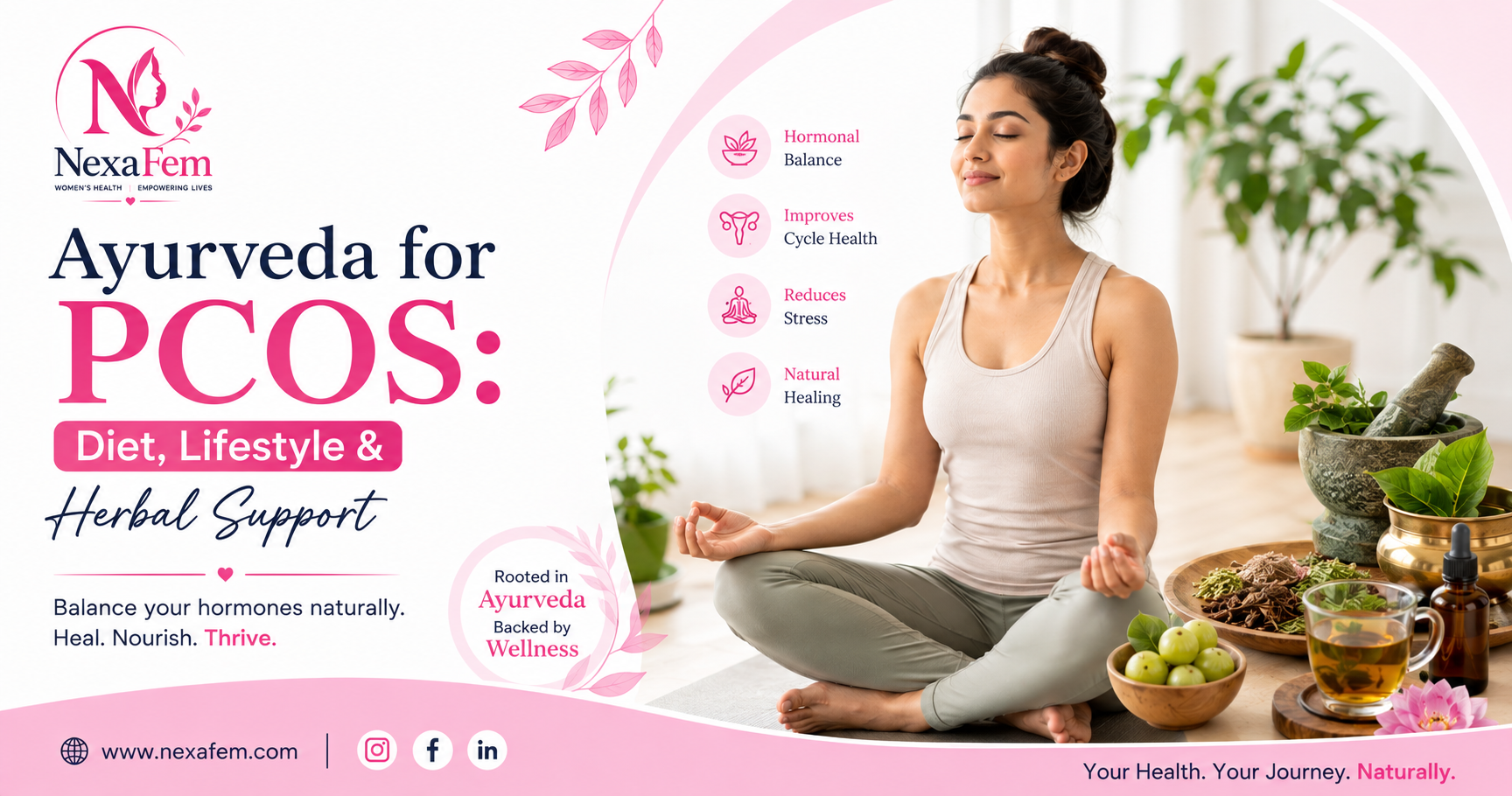
Polycystic ovary syndrome (PCOS) can affect much more than the menstrual cycle. Irregular periods, acne, unwanted facial or body hair, difficulty with ovulation, changes in weight and metabolic concerns can all become part of the picture. Because PCOS is a long-term condition with different symptoms in different women, it is understandable to look for approaches that feel sustainable and holistic.
Ayurveda offers a traditional framework that places considerable emphasis on food, daily routines, digestion, activity, sleep and individualized care. These principles can complement a healthy lifestyle, but they should not be presented as a guaranteed treatment or substitute for appropriate medical care.
The strongest modern evidence for PCOS management supports healthy eating, regular physical activity and sustainable lifestyle habits. Importantly, current international guidance does not recommend one particular diet or one specific type of exercise as universally superior for PCOS.
So where does Ayurveda fit?
A responsible approach is to use Ayurvedic lifestyle principles as a supportive framework while keeping medical assessment, monitoring and evidence-based treatment at the centre of care.
Quick Summary
Ayurveda for PCOS may be used as supportive lifestyle care, particularly through nutrition, daily routines, physical activity, stress management and mindful practices.
There is no single Ayurvedic diet that has been proven to treat PCOS, and modern PCOS guidelines do not support one specific diet as superior to all others.
Some herbs and traditional formulations have been studied, but the evidence is still developing and varies considerably in quality.
Regular movement, adequate sleep, balanced nutrition and stress management can support overall metabolic and reproductive health.
Herbal products should be discussed with a qualified healthcare professional or qualified Ayurveda practitioner, particularly during pregnancy, breastfeeding or when taking medicines.
What Is PCOS?
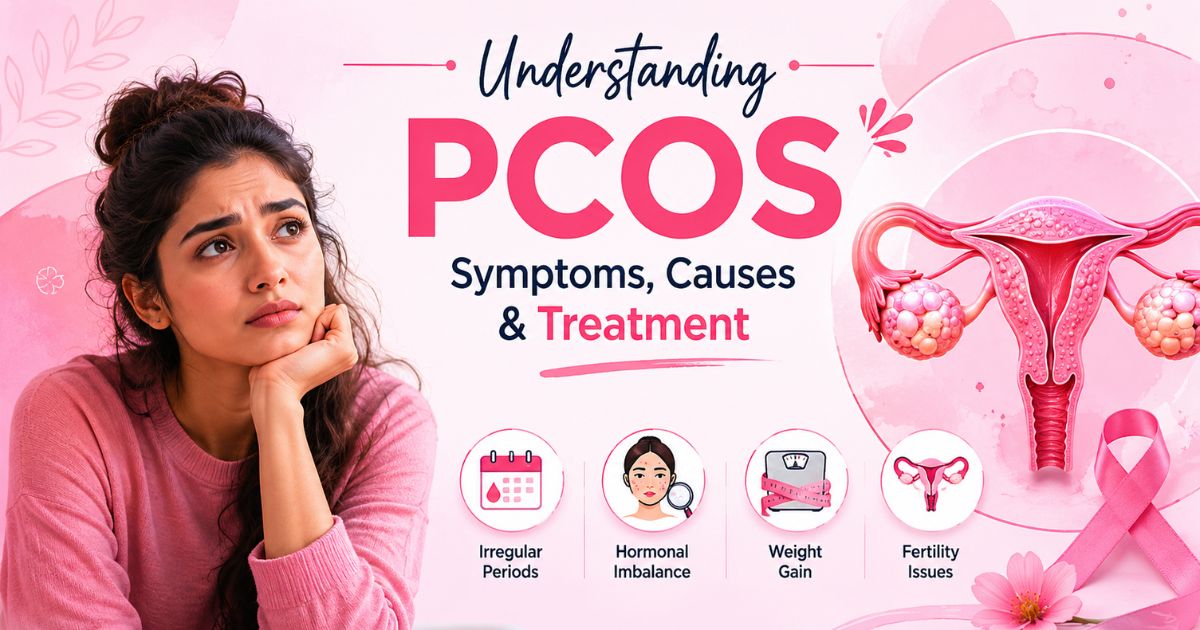
PCOS is a complex hormonal and metabolic condition that can affect ovulation, androgen levels, menstrual cycles, fertility and metabolic health.
Common features may include:
Irregular or infrequent periods
Difficulty predicting ovulation
Acne or oily skin
Increased facial or body hair
Hair thinning
Weight gain or difficulty managing weight
Difficulty becoming pregnant
Changes associated with insulin resistance
Not every woman with PCOS experiences the same symptoms. Some women may have significant menstrual or androgen-related symptoms without having excess weight, while others may primarily experience metabolic concerns.
Diagnosis should therefore not be based simply on irregular periods, acne or an ultrasound finding.
The 2023 international evidence-based guideline uses a combination of clinical or biochemical hyperandrogenism, ovulatory dysfunction and polycystic ovaries or elevated AMH in adults, with appropriate exclusion of other causes. Diagnostic approaches differ for adolescents.
If your periods have suddenly become irregular, it is worth discussing the change with a healthcare professional rather than assuming that PCOS is the cause. Irregular periods can have several possible explanations, including pregnancy, thyroid disorders, stress, changes in weight and perimenopause.
Can Ayurveda Help With PCOS?
Ayurveda may provide supportive lifestyle practices for women with PCOS, but there is not enough high-quality evidence to say that Ayurvedic treatment cures PCOS.
Ayurveda traditionally approaches health through individualized assessment, diet, daily routine, activity, digestion, sleep and other aspects of physical and mental wellbeing.
Research specifically examining Ayurveda and PCOS exists, but the evidence base has important limitations. A scoping review identified 57 peer-reviewed studies of Ayurvedic interventions in women with PCOS, including randomized trials, pre-post studies and case reports. However, the researchers highlighted the need for better research, more consistent safety reporting and studies examining Ayurveda alongside conventional PCOS care.
This distinction matters.
Ayurveda can contribute useful lifestyle ideas, but “traditional” does not automatically mean “clinically proven.”
For someone living with PCOS, the most sensible approach is often integrative: understand the medical condition, address metabolic and reproductive risks, build sustainable lifestyle habits and consider complementary practices only when they are appropriate and safe.
The Ayurvedic Perspective on PCOS
Ayurveda does not describe PCOS using the same diagnostic categories used in modern endocrinology and gynaecology.
Traditional Ayurvedic assessment may consider concepts such as:
Dosha balance
Agni, or digestive/metabolic function
Ama, traditionally described as incompletely processed metabolic material
Dhatus, or bodily tissues
Srotas, or pathways of circulation and function
Menstrual and reproductive health
Individual constitution and lifestyle
These concepts belong to the traditional Ayurvedic framework and should not be treated as direct equivalents of insulin resistance, androgen excess or other modern medical diagnoses.
From an Ayurveda-informed lifestyle perspective, the emphasis may be on regular meals, appropriate activity, adequate rest, stress management and individualized dietary choices.
That can overlap with modern healthy-lifestyle recommendations, but the two systems are not interchangeable.
PCOS Lifestyle Changes: Where to Start
Lifestyle management is a central part of modern PCOS care.
The 2023 international guideline recommends healthy eating and/or physical activity for women with PCOS and emphasizes that lifestyle benefits can occur even without weight loss. It also stresses individualized goals and avoiding weight stigma.
1. Build a sustainable eating pattern
Rather than searching for a perfect “PCOS diet,” focus on a pattern you can maintain.
A balanced meal can include:
Vegetables and other fibre-rich foods
Whole grains or minimally processed carbohydrate sources
Protein-rich foods
Healthy sources of fat
Fruit in appropriate portions
Adequate fluids
Indian meals can fit comfortably into a PCOS-supportive eating pattern. Dal, beans, vegetables, whole grains, curd or other suitable protein sources, nuts and seeds can all contribute to balanced meals depending on individual dietary needs.
There is no requirement to completely eliminate rice, wheat or other traditional foods simply because you have PCOS.
The international guideline states that there is insufficient evidence to recommend one particular diet composition over another for PCOS outcomes. Sustainable healthy eating tailored to individual preferences is preferred over unnecessarily restrictive diets.
Polycystic ovary syndrome (PCOS) can affect much more than the menstrual cycle. Irregular periods, acne, unwanted facial or body hair, difficulty with ovulation, changes in weight and metabolic concerns can all become part of the picture. Because PCOS is a long-term condition with different symptoms in different women, it is understandable to look for approaches that feel sustainable and holistic.
Ayurveda offers a traditional framework that places considerable emphasis on food, daily routines, digestion, activity, sleep and individualized care. These principles can complement a healthy lifestyle, but they should not be presented as a guaranteed treatment or substitute for appropriate medical care.
The strongest modern evidence for PCOS management supports healthy eating, regular physical activity and sustainable lifestyle habits. Importantly, current international guidance does not recommend one particular diet or one specific type of exercise as universally superior for PCOS.
So where does Ayurveda fit?
A responsible approach is to use Ayurvedic lifestyle principles as a supportive framework while keeping medical assessment, monitoring and evidence-based treatment at the centre of care.
Quick Summary
Ayurveda for PCOS may be used as supportive lifestyle care, particularly through nutrition, daily routines, physical activity, stress management and mindful practices.
There is no single Ayurvedic diet that has been proven to treat PCOS, and modern PCOS guidelines do not support one specific diet as superior to all others.
Some herbs and traditional formulations have been studied, but the evidence is still developing and varies considerably in quality.
Regular movement, adequate sleep, balanced nutrition and stress management can support overall metabolic and reproductive health.
Herbal products should be discussed with a qualified healthcare professional or qualified Ayurveda practitioner, particularly during pregnancy, breastfeeding or when taking medicines.
What Is PCOS?
PCOS is a complex hormonal and metabolic condition that can affect ovulation, androgen levels, menstrual cycles, fertility and metabolic health.
Common features may include:
Irregular or infrequent periods
Difficulty predicting ovulation
Acne or oily skin
Increased facial or body hair
Hair thinning
Weight gain or difficulty managing weight
Difficulty becoming pregnant
Changes associated with insulin resistance
Not every woman with PCOS experiences the same symptoms. Some women may have significant menstrual or androgen-related symptoms without having excess weight, while others may primarily experience metabolic concerns.
Diagnosis should therefore not be based simply on irregular periods, acne or an ultrasound finding.
The 2023 international evidence-based guideline uses a combination of clinical or biochemical hyperandrogenism, ovulatory dysfunction and polycystic ovaries or elevated AMH in adults, with appropriate exclusion of other causes. Diagnostic approaches differ for adolescents.
If your periods have suddenly become irregular, it is worth discussing the change with a healthcare professional rather than assuming that PCOS is the cause. Irregular periods can have several possible explanations, including pregnancy, thyroid disorders, stress, changes in weight and perimenopause.
Can Ayurveda Help With PCOS?
Ayurveda may provide supportive lifestyle practices for women with PCOS, but there is not enough high-quality evidence to say that Ayurvedic treatment cures PCOS.
Ayurveda traditionally approaches health through individualized assessment, diet, daily routine, activity, digestion, sleep and other aspects of physical and mental wellbeing.
Research specifically examining Ayurveda and PCOS exists, but the evidence base has important limitations. A scoping review identified 57 peer-reviewed studies of Ayurvedic interventions in women with PCOS, including randomized trials, pre-post studies and case reports. However, the researchers highlighted the need for better research, more consistent safety reporting and studies examining Ayurveda alongside conventional PCOS care.
This distinction matters.
Ayurveda can contribute useful lifestyle ideas, but “traditional” does not automatically mean “clinically proven.”
For someone living with PCOS, the most sensible approach is often integrative: understand the medical condition, address metabolic and reproductive risks, build sustainable lifestyle habits and consider complementary practices only when they are appropriate and safe.
The Ayurvedic Perspective on PCOS
Ayurveda does not describe PCOS using the same diagnostic categories used in modern endocrinology and gynaecology.
Traditional Ayurvedic assessment may consider concepts such as:
Dosha balance
Agni, or digestive/metabolic function
Ama, traditionally described as incompletely processed metabolic material
Dhatus, or bodily tissues
Srotas, or pathways of circulation and function
Menstrual and reproductive health
Individual constitution and lifestyle
These concepts belong to the traditional Ayurvedic framework and should not be treated as direct equivalents of insulin resistance, androgen excess or other modern medical diagnoses.
From an Ayurveda-informed lifestyle perspective, the emphasis may be on regular meals, appropriate activity, adequate rest, stress management and individualized dietary choices.
That can overlap with modern healthy-lifestyle recommendations, but the two systems are not interchangeable.
PCOS Lifestyle Changes: Where to Start
Lifestyle management is a central part of modern PCOS care.
The 2023 international guideline recommends healthy eating and/or physical activity for women with PCOS and emphasizes that lifestyle benefits can occur even without weight loss. It also stresses individualized goals and avoiding weight stigma.
1. Build a sustainable eating pattern
Rather than searching for a perfect “PCOS diet,” focus on a pattern you can maintain.
A balanced meal can include:
Vegetables and other fibre-rich foods
Whole grains or minimally processed carbohydrate sources
Protein-rich foods
Healthy sources of fat
Fruit in appropriate portions
Adequate fluids
Indian meals can fit comfortably into a PCOS-supportive eating pattern. Dal, beans, vegetables, whole grains, curd or other suitable protein sources, nuts and seeds can all contribute to balanced meals depending on individual dietary needs.
There is no requirement to completely eliminate rice, wheat or other traditional foods simply because you have PCOS.
The international guideline states that there is insufficient evidence to recommend one particular diet composition over another for PCOS outcomes. Sustainable healthy eating tailored to individual preferences is preferred over unnecessarily restrictive diets.
2. Include regular physical activity
Exercise can support metabolic health, cardiovascular health, fitness, mood and overall wellbeing.
The PCOS guideline does not identify one exercise style as universally superior. Walking, cycling, swimming, strength training, yoga and other activities can all have a place depending on your preferences and physical ability.
For adults aged 18–64, general physical-activity guidance cited in the PCOS guideline recommends approximately 150–300 minutes of moderate activity per week, or 75–150 minutes of vigorous activity, plus muscle-strengthening activities on two non-consecutive days.
You do not need to start at the maximum target.
If you are currently inactive, begin gradually and build consistency.
What to Eat With PCOS
A PCOS-friendly eating pattern does not need to be complicated.
Consider making most meals around:
Protein: dal, beans, lentils, eggs, fish, dairy or suitable plant-based alternatives.
Fibre-rich foods: vegetables, fruit, legumes, whole grains, nuts and seeds.
Healthy fats: nuts, seeds and appropriate plant oils.
Minimally processed foods: choose foods that are closer to their natural form more often.
At the same time, foods high in added sugars and highly processed foods can be limited as part of an overall healthy eating pattern.
This does not mean that women with PCOS need to follow a highly restrictive “no sugar,” keto or completely carbohydrate-free diet.
Dietary needs vary. A registered dietitian or appropriately qualified nutrition professional can help create a plan if PCOS, diabetes, digestive problems, food allergies or fertility goals make nutrition more complex.
Ayurvedic Diet Principles for PCOS
An Ayurveda-informed approach may encourage:
Eating at relatively regular times
Choosing fresh, minimally processed foods
Including a variety of vegetables and whole foods
Paying attention to hunger, fullness and digestion
Avoiding habitual overeating
Adjusting food choices to individual tolerance and needs
Maintaining adequate hydration
Ayurveda may also recommend specific foods based on an individual's constitution or traditional assessment.
However, these recommendations should not be interpreted as scientifically established methods for correcting PCOS hormones.
For example, there is currently no strong evidence that simply changing foods according to a particular dosha will normalize androgen levels or restore ovulation.
The practical goal should be nutritionally adequate, enjoyable and sustainable eating, not dietary perfection.
Physical Activity, Yoga and Meditation
Yoga can be a useful complementary practice for women with PCOS, particularly when it encourages movement, relaxation and body awareness.
Possible benefits of regular yoga and mindful movement include:
Increased physical activity
Improved flexibility and strength
Stress reduction
Relaxation
Improved body awareness
Meditation and breathing practices may also help some women manage stress.
However, yoga or meditation should not be promoted as a standalone cure for PCOS.
Think of them as tools that can support a broader lifestyle plan.
If you have pain, dizziness, significant fatigue or another health condition, choose an appropriate activity level and seek professional guidance when necessary.
Sleep, Stress and Dinacharya
PCOS is not caused simply by “bad lifestyle habits.” It is a complex condition involving reproductive, metabolic and hormonal pathways.
Still, daily habits can influence overall health.
This is where the Ayurvedic concept of Dinacharya, or a structured daily routine, can be useful as a wellness framework.
A practical routine might include:
Waking and sleeping at reasonably consistent times.
Eating regular, balanced meals.
Moving your body every day.
Taking short breaks from prolonged sitting.
Practising relaxation, meditation or breathing exercises.
Creating a calming evening routine.
Protecting adequate sleep time.
These practices are not a substitute for PCOS treatment. Rather, they can make healthy behaviours easier to maintain.
Stress also deserves attention. Women with PCOS may experience anxiety, depression or concerns related to body image, fertility and appearance. The international guideline recognizes emotional wellbeing as an important part of PCOS care.
If persistent anxiety, low mood, disordered eating or overwhelming stress is affecting daily life, professional mental-health support can be valuable.
Ayurvedic Herbs and Herbal Support for PCOS
Herbal medicine is one of the areas where responsible communication is particularly important.
Several plants and traditional formulations have been studied in PCOS research. Some studies report possible improvements in hormonal, metabolic or menstrual outcomes. However, the evidence is inconsistent, interventions differ substantially and many studies are small.
A 2026 systematic review identified only 10 relevant human studies involving 548 participants after screening the literature and concluded that more research is needed because of differences in study design, intervention, duration and sample size.
A separate systematic review of nutritional supplements and herbal medicines found insufficient high-quality evidence to establish herbal medicines as effective treatments for PCOS and noted limitations in safety evidence.
Cinnamon
Cinnamon is widely used in Indian cooking and has a long history in traditional medicine.
Some research has explored cinnamon in relation to glucose metabolism and PCOS. However, evidence remains insufficient to recommend cinnamon supplements as a treatment for PCOS.
NCCIH notes that research does not clearly support cinnamon supplementation for a specific health condition, and larger amounts or prolonged use may have safety concerns, including potential liver-related issues associated with coumarin in some cassia products.
Practical takeaway: Using cinnamon as a normal culinary spice is different from taking concentrated cinnamon supplements.
Berberine-containing plants
Berberine occurs naturally in several plants and has become popular online as a “natural” approach to metabolic health and PCOS.
Some studies suggest possible effects on glucose metabolism and body weight, but NCCIH notes that the evidence is not conclusive and that studies vary in quality and formulation. Berberine can also interact with medicines and should not be used during pregnancy or breastfeeding.
Practical takeaway: Do not start berberine simply because it is marketed as a natural alternative to PCOS medication.
Other Ayurvedic herbs and formulations
Traditional Ayurvedic literature and clinical research have examined herbs and compound preparations in women with PCOS.
The Ayurveda-specific research literature includes herbs such as shatapushpa and krishnatila and formulations including kanchanara guggulu and rajapravartini vati. However, the evidence is not strong enough to recommend these products universally, and individual formulations may have different ingredients, doses, contraindications and safety profiles.
A qualified Ayurveda practitioner should assess whether a specific preparation is appropriate rather than relying on an online list of “best herbs for PCOS.”
What Modern Evidence Says About Ayurvedic Herbs
The evidence can be summarized simply:
Traditional use: Many herbs have long histories of use in Ayurveda and other traditional medical systems.
Early research: Some clinical studies suggest potential benefits for selected PCOS outcomes.
Current limitation: Study quality, sample sizes, formulations and treatment protocols vary considerably.
What is needed: Larger, well-designed clinical trials with standardized preparations, meaningful clinical outcomes and better safety reporting.
Recent systematic reviews continue to describe potentially promising findings while emphasizing that stronger evidence is required before firm conclusions can be made.
This is why NexaFem recommends thinking about herbal medicine as potential complementary support, rather than a guaranteed PCOS treatment.
Safety: Natural Does Not Always Mean Safe
“Natural” is not synonymous with “risk-free.”
Before using an Ayurvedic herb, supplement or traditional formulation, consider:
Whether you take prescription or over-the-counter medicines
Whether you are pregnant or trying to conceive
Whether you are breastfeeding
Whether you have liver, kidney, thyroid or metabolic conditions
Whether you have allergies
Whether you are preparing for surgery
Whether the product contains multiple herbs or mineral preparations
Whether the manufacturer provides reliable information about ingredients and quality
Some Ayurvedic preparations have raised safety concerns because certain products may contain toxic amounts of lead, mercury or arsenic.
Herbal supplements can also interact with medicines, and products purchased online may differ substantially from preparations used in research.
This is particularly important if pregnancy is possible. Do not assume that an herb used traditionally for menstrual or fertility concerns is appropriate during pregnancy.
Common Misconceptions About Ayurveda and PCOS
Myth 1: Ayurveda can permanently cure PCOS.
There is currently no evidence that Ayurveda permanently cures PCOS.
PCOS is generally managed over time through lifestyle measures, symptom-specific medical care and monitoring.
Myth 2: Every woman with PCOS should follow the same diet.
No.
PCOS presents differently from woman to woman, and current international guidance does not support one diet composition as universally superior.
Myth 3: You need to lose weight to improve PCOS.
Not necessarily.
Healthy lifestyle behaviours can benefit women with PCOS even when weight does not change. Weight stigma should also be avoided in PCOS care.
Myth 4: Herbal treatment is automatically safer than medication.
Not necessarily.
Herbs can have pharmacological effects, side effects and interactions. Some traditional preparations may also contain potentially harmful substances if poorly manufactured or contaminated.
Myth 5: Irregular periods always mean PCOS.
No.
Pregnancy, thyroid conditions, stress, changes in weight, excessive exercise, perimenopause and other conditions can also cause irregular or missed periods.
When Should You See a Doctor?
Lifestyle changes can support PCOS care, but medical assessment remains important.
Consider speaking with a qualified healthcare professional if you have:
Persistently irregular or absent periods
Very heavy or prolonged bleeding
New or rapidly worsening facial/body hair
Significant acne or hair loss
Difficulty becoming pregnant
Symptoms suggesting diabetes or metabolic problems
Significant changes in weight
Persistent pelvic symptoms
Severe anxiety, depression or emotional distress
Very infrequent periods should not simply be ignored. Long-standing ovulatory dysfunction can have implications for the uterine lining, and PCOS is associated with increased metabolic and reproductive health risks. Appropriate medical monitoring can help reduce these risks.
If you are trying to conceive, seek appropriate fertility care rather than relying exclusively on herbal remedies. PCOS-related ovulatory dysfunction can often be managed with evidence-based fertility treatments when needed.
A Practical Ayurveda-Informed PCOS Routine
There is no universal Ayurvedic routine for PCOS, but a simple wellness framework could look like this:
Morning
Start the day with adequate hydration and a routine that allows time for movement rather than immediately rushing into work or study.
Breakfast
Choose a balanced meal containing protein, fibre and minimally processed carbohydrate sources according to your dietary needs.
Daytime
Break up prolonged sitting. Walking, cycling, strength training or another preferred activity can contribute to your weekly physical-activity goal.
Meals
Prioritize vegetables, protein-rich foods, fibre and minimally processed foods. Avoid unnecessarily restrictive diets.
Evening
Use gentle movement, yoga, breathing exercises or meditation if these help you unwind.
Night
Create a consistent wind-down routine and protect adequate sleep
Weekly
Track meaningful health indicators such as menstrual patterns, physical activity, sleep and symptoms rather than focusing exclusively on body weight.
This type of routine respects the traditional Ayurvedic emphasis on regularity and daily habits while remaining consistent with modern PCOS lifestyle recommendations.
Key Takeaway
Ayurveda can offer a culturally familiar and holistic way of thinking about daily habits, nutrition, movement, stress and self-care for women living with PCOS.
But the most responsible approach is not to ask whether Ayurveda can “cure” PCOS.
A better question is:
Which Ayurvedic-informed lifestyle practices can safely complement evidence-based PCOS care?
For many women, the answer may include balanced nutrition, regular physical activity, yoga or meditation, consistent sleep and a sustainable daily routine.
Herbal products require more caution. Although research into herbal and Ayurvedic approaches is growing, evidence remains insufficient to treat these therapies as proven replacements for medical PCOS management.
Your PCOS journey does not need to be about perfection. Small, sustainable changes—combined with appropriate medical care—can be more meaningful than extreme diets or unverified “hormone-balancing” remedies.
Sources & References
2023 International Evidence-Based Guideline for PCOS — lifestyle, diet and exercise recommendations. International PCOS Guideline — Monash University
International Evidence-Based PCOS Recommendations — published guideline summary. 2023 PCOS Recommendations — PMC
Ayurveda and PCOS — scoping review of the clinical evidence. A Scoping Review of Ayurveda Studies in Women with PCOS — PubMed
Herbal compounds in PCOS — updated systematic review, 2026. Herbal Compounds in the Treatment of PCOS — PubMed
Phytotherapy in PCOS — systematic review. Phytotherapy in PCOS Management — PubMed
Nutritional supplements and herbal medicines for PCOS — systematic review. Nutritional Supplements and Herbal Medicines for PCOS — PubMed
NCCIH — Ayurvedic Medicine: In Depth. Ayurvedic Medicine: In Depth — NCCIH
NCCIH — Cinnamon: Usefulness and Safety. Cinnamon: Usefulness and Safety — NCCIH
NCCIH — Berberine. Berberine — NCCIH
NHS — irregular and missed periods. Irregular Periods — NHS
Understand Your Health. Track Your Patterns. Take Informed Steps.
PCOS can affect periods, hormones, metabolism, skin, fertility and emotional wellbeing—and every woman's experience can be different.
NexaFem helps women stay informed about their health and build greater awareness of symptoms, cycles and preventive wellness.
Explore NexaFem and take a more informed approach to your women's health journey.
15. Health Disclaimer
This article is intended for general educational and informational purposes only. It is not a substitute for diagnosis, treatment or individualized medical advice from a qualified healthcare professional.
Ayurvedic concepts, herbs and traditional practices discussed here should not be interpreted as guaranteed treatments or cures for PCOS. Evidence for many Ayurvedic and herbal interventions remains limited or uncertain.
Do not stop, replace or change prescribed medicines based on information in this article. If you have PCOS, irregular periods, fertility concerns, another medical condition, or are pregnant, trying to conceive or breastfeeding, consult an appropriately qualified healthcare professional before starting supplements or herbal preparations.
For individualized Ayurvedic care, consult a qualified Ayurveda practitioner who can assess your circumstances and coordinate care appropriately where needed.
Frequently Asked Questions
Share this post
Comments (0)
No comments yet. Be the first to comment!