

Healthy Ayurvedic Herbal Teas for Daily Wellnes
Explore Ayurvedic herbal teas like tulsi, ginger and fennel, with traditional benefits, preparation tips and safety guidance for daily wellness.
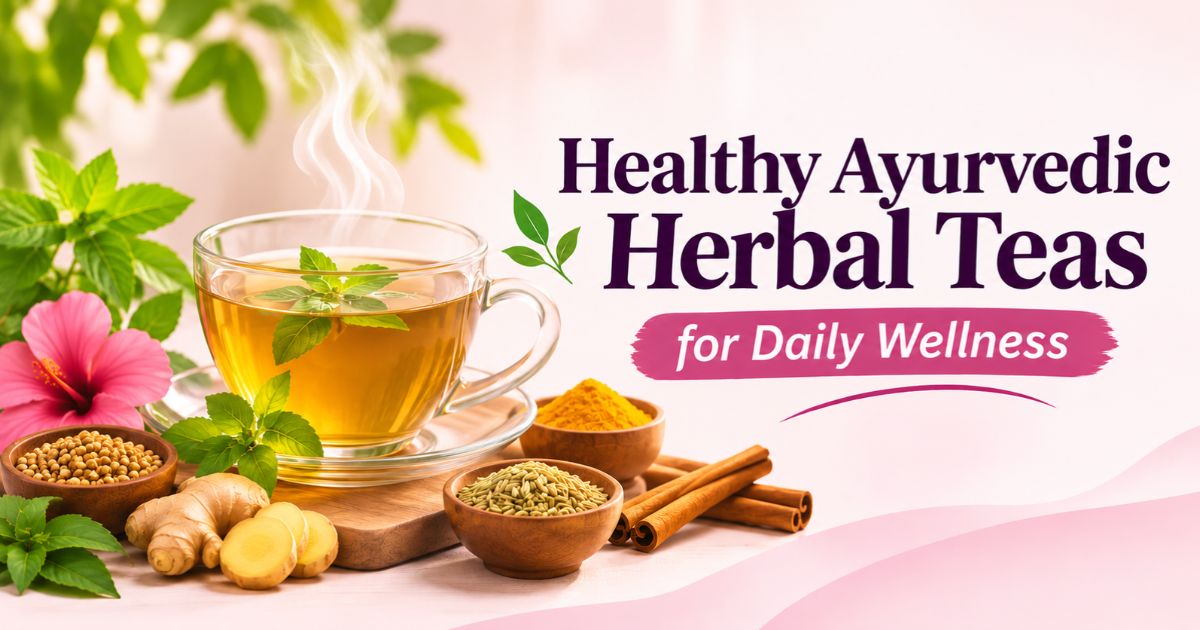
A comforting cup of herbal tea can be more than a refreshing drink. It can become a simple part of your daily wellness routine, offering hydration, warmth and an opportunity to slow down.
In Ayurveda, herbs and spices have traditionally been incorporated into everyday food and drinks to support overall well-being. Ingredients such as tulsi, ginger, fennel, cumin, coriander and cinnamon are familiar in Indian households and are often used to prepare soothing herbal infusions.
Today, many women are exploring Ayurvedic herbal teas as an alternative to heavily sweetened beverages or as part of a more mindful lifestyle. Whether you want a warm morning drink, a refreshing afternoon infusion or a relaxing evening beverage, traditional herbs offer several interesting options.
However, herbal teas should not be viewed as treatments for hormonal imbalance, digestive disorders or other medical conditions. Their benefits depend on the ingredients, preparation, quantity and individual health circumstances.
This guide explores popular Ayurvedic herbal teas, their traditional uses, what modern research says, and practical ways to include them in a balanced daily routine.
Quick Summary: What Are the Best Ayurvedic Herbal Teas?
Some popular Ayurvedic-inspired herbal teas include:
Tulsi tea: Traditionally valued in Ayurveda and commonly enjoyed as a warming herbal infusion.
Ginger tea: Traditionally used for digestive comfort; research has explored ginger for nausea.
Fennel tea: A fragrant infusion traditionally enjoyed after meals.
Cumin and coriander tea: A traditional Indian combination used in everyday herbal drinks.
Cinnamon tea: A warming, aromatic beverage that can be enjoyed in moderation.
Turmeric tea: A traditional golden-coloured drink made with turmeric and other spices.
These beverages can complement healthy eating and hydration, but they do not replace medical treatment or a balanced diet.
1. Understanding Herbal Teas Through an Ayurvedic Perspective
Ayurveda is a traditional Indian system of health that considers food, lifestyle, digestion and individual constitution as interconnected aspects of well-being.
Herbs and spices have an important place in Ayurvedic dietary traditions. They are incorporated into meals, warm water, infusions and traditional preparations.
In Ayurveda, concepts such as Agni (digestive fire), Doshas (Vata, Pitta and Kapha) and daily routines are used to understand individual wellness needs.
Herbal teas are sometimes included in these routines because they provide a convenient way to enjoy aromatic plants and spices.
However, traditional Ayurvedic explanations and modern clinical evidence are not interchangeable. A herb's traditional use does not automatically establish that it treats a particular health condition.
For everyday wellness, simple food-based herbal infusions are generally a more practical starting point than concentrated herbal supplements.
2. Six Popular Ayurvedic Herbal Teas for Daily Wellness
1. Tulsi Tea: A Traditional Herbal Infusion
Tulsi, also known as holy basil (Ocimum tenuiflorum), holds a respected place in Indian households and Ayurvedic traditions.
Its aromatic leaves are commonly used to prepare herbal tea.
Traditional Ayurvedic perspective
Tulsi has traditionally been valued for its warming and aromatic qualities. It is also associated with traditional respiratory and general wellness practices.
What modern evidence says
Tulsi contains plant compounds that have been studied for antioxidant and other biological activities. However, human clinical evidence supporting specific health benefits remains limited.
It should not be considered a proven treatment for infections, respiratory conditions or hormonal concerns.
How to prepare tulsi tea
Take 4–5 fresh, clean tulsi leaves.
Add them to a cup of hot water.
Allow them to steep for approximately 5–7 minutes.
Strain and enjoy.
You can add a little lemon for flavour.
Practical takeaway: Tulsi tea can be an enjoyable addition to a mindful hydration routine.
2. Ginger Tea: A Warming Drink for Digestive Comfort
Ginger (Zingiber officinale) is one of the most commonly used ingredients in Indian kitchens.
It is traditionally added to food and beverages for its distinctive flavour and warming properties.
Traditional Ayurvedic perspective
Ginger is traditionally associated with supporting Agni and digestive comfort.
What modern evidence says
Ginger has been studied for nausea and vomiting. Research suggests that ginger supplements may help with certain types of nausea, including pregnancy-related nausea, although evidence varies by condition and preparation.
Most studies have examined supplements rather than ordinary ginger tea.
Ginger may also cause heartburn, abdominal discomfort or throat irritation in some people.
How to prepare ginger tea
Take 2–3 thin slices of fresh ginger.
Add them to a cup of water.
Simmer gently for 5–7 minutes.
Strain and serve warm.
Practical takeaway: Ginger tea is a simple, flavourful beverage that may be useful for people who enjoy warm drinks. It is not a substitute for medical treatment for persistent nausea or digestive symptoms.
3. Fennel Tea: A Fragrant After-Meal Drink
Fennel seeds (Foeniculum vulgare), commonly called saunf in India, are traditionally consumed after meals.
They have a naturally sweet, aromatic flavour.
Traditional Ayurvedic perspective
Fennel is traditionally used in dietary preparations associated with digestive comfort.
What modern evidence says
Fennel contains aromatic compounds that have been investigated for different biological activities. However, there is insufficient strong clinical evidence to establish that ordinary fennel tea treats bloating, digestive disorders or hormonal conditions.
How to prepare fennel tea
Take half a teaspoon of fennel seeds.
Lightly crush the seeds.
Add them to a cup of hot water.
Steep for 5–10 minutes.
Strain before drinking.
Practical takeaway: Fennel tea offers a naturally sweet flavour and can be enjoyed as an alternative to sugary beverages.
4. Cumin and Coriander Tea: A Traditional Indian Combination
Cumin (Cuminum cyminum) and coriander (Coriandrum sativum) are widely used in Indian cooking.
Both spices are also used in traditional herbal water preparations.
Traditional Ayurvedic perspective
Cumin and coriander are traditionally incorporated into dietary routines and herbal drinks. They are commonly associated with digestive wellness.
What modern evidence says
Both spices contain plant compounds that have been investigated in laboratory and preliminary studies.
However, there is limited clinical evidence establishing that cumin-coriander tea provides specific therapeutic benefits.
How to prepare cumin-coriander tea
Take half a teaspoon of cumin seeds.
Add half a teaspoon of coriander seeds.
Add both to approximately 250 ml of water.
Simmer gently for 5–7 minutes.
Strain and enjoy warm.
Practical takeaway: This combination is a simple way to enjoy familiar Indian spices in a warm beverage.
5. Cinnamon Tea: A Naturally Aromatic Beverage
Cinnamon (Cinnamomum species) is a popular spice used in traditional Indian cooking.
It has a naturally sweet aroma and can make herbal beverages more flavourful.
Traditional Ayurvedic perspective
Cinnamon is traditionally regarded as a warming spice and is used in various dietary preparations.
What modern evidence says
Research has explored cinnamon in relation to blood glucose and metabolic health. However, findings are mixed, and there is insufficient evidence to recommend cinnamon tea as a treatment for diabetes, PCOS or insulin resistance.
There are different varieties of cinnamon. Cassia cinnamon contains more coumarin than Ceylon cinnamon. Regular high intake of coumarin may be harmful to the liver in susceptible individuals.
How to prepare cinnamon tea
Take a small piece of cinnamon stick.
Add it to a cup of water.
Simmer for approximately 5 minutes.
Strain and serve.
Practical takeaway: Enjoy cinnamon as a flavourful beverage ingredient rather than as a substitute for blood glucose management.
6. Turmeric Tea: A Traditional Golden Infusion
Turmeric (Curcuma longa), known as haldi in India, is widely used in traditional cooking and Ayurvedic preparations.
Its active compound, curcumin, has received considerable scientific attention.
Traditional Ayurvedic perspective
Turmeric is traditionally valued in Indian wellness practices and is used in food, drinks and topical preparations.
What modern evidence says
Curcumin has been studied for its anti-inflammatory and antioxidant activities. However, research on concentrated curcumin products cannot automatically be applied to a cup of turmeric tea.
High-bioavailability curcumin supplements have been associated with rare cases of liver injury. Turmeric supplements may also be unsuitable during pregnancy.
How to prepare turmeric tea
Add a small pinch of culinary turmeric powder to a cup of hot water.
Stir well.
Add a little ginger for flavour if desired.
Allow it to cool slightly before drinking.
Practical takeaway: Turmeric can be enjoyed as a culinary ingredient, but concentrated supplements should not be used without appropriate professional guidance.
3. How to Choose Herbal Tea According to Your Daily Routine
There is no single herbal tea that is ideal for everyone. Your choice can depend on your taste preferences, caffeine intake, health needs and daily schedule.
Here are some simple ideas:
Morning
A cup of ginger or tulsi infusion can be a refreshing alternative to sweetened drinks.
After meals
Fennel or cumin-coriander infusion may be a pleasant way to finish a meal.
Afternoon
Tulsi or a mild ginger infusion can offer variety when you want a warm beverage.
Evening
Choose a caffeine-free herbal infusion if you enjoy a warm drink before bedtime.
Remember that herbal teas do not replace water, and there is no need to consume several varieties every day.
4. Can Ayurvedic Herbal Teas Support Women's Health?
Women's nutritional and wellness needs change throughout life. Menstrual cycles, pregnancy, postpartum recovery, perimenopause and menopause can all influence daily health requirements.
Herbal teas may be included in a balanced lifestyle, but they should not be promoted as treatments for hormonal conditions.
During menstruation
Ginger has been investigated in research on menstrual cramps, particularly in supplement form. However, drinking ginger tea has not been established as a treatment for painful periods.
Persistent or severe menstrual pain deserves medical evaluation.
During PCOS
PCOS is a hormonal and metabolic condition that requires an individualised management approach.
There is no reliable evidence that tulsi, cinnamon or other herbal teas can cure PCOS or restore hormonal balance.
A balanced diet, regular physical activity, sleep and appropriate medical care remain important.
During perimenopause and menopause
Hormonal changes during this transition may affect sleep, temperature regulation, mood and overall well-being.
A calming caffeine-free beverage may become part of a relaxing evening routine.
However, herbal tea should not be considered a proven treatment for hot flashes, night sweats or other menopausal symptoms.
5. Important Safety Considerations Before Drinking Herbal Teas
Natural ingredients are not automatically safe for everyone.
Even commonly used herbs may cause side effects or interact with medication, particularly when consumed in concentrated forms.
Keep these precautions in mind:
Pregnancy and breastfeeding
Herbal products may not be safe during pregnancy or breastfeeding because reliable safety information is limited.
Women who are pregnant, planning pregnancy or breastfeeding should seek advice from their healthcare professional before regularly consuming medicinal herbal preparations.
Medication interactions
Some herbs and herbal products can interact with prescription medicines.
Consult a doctor or pharmacist if you take medication for diabetes, blood pressure, blood thinning or other chronic conditions.
Allergies and digestive sensitivity
Certain ingredients may trigger allergic reactions, acidity or digestive discomfort.
Stop consuming an ingredient if you experience an adverse reaction.
Liver and kidney conditions
Women with existing liver or kidney conditions should seek professional guidance before using herbal supplements or concentrated preparations.
Quality and product selection
Choose clean, properly stored ingredients from reputable sources. Avoid products with unclear ingredient lists or unverified health claims.
The National Center for Complementary and Integrative Health also highlights concerns about certain Ayurvedic preparations containing potentially harmful levels of heavy metals.
6. Simple Tips for Making Herbal Teas Part of Your Daily Routine
You do not need an elaborate wellness schedule to enjoy herbal beverages.
Start with simple habits:
Choose one or two ingredients that suit your taste.
Use clean drinking water and fresh ingredients.
Avoid adding excessive sugar or honey.
Prepare fresh infusions rather than storing them for extended periods.
Pay attention to how your body responds.
Maintain regular hydration throughout the day.
Avoid treating herbal tea as a replacement for balanced meals.
Ayurvedic wellness also places emphasis on Dinacharya, or daily routines. Regular meals, sufficient rest, mindful eating and consistent physical activity can complement a healthy lifestyle.
7. Common Myths About Ayurvedic Herbal Teas
Myth 1: All Ayurvedic herbal teas are caffeine-free.
Fact: Many herbal infusions do not naturally contain caffeine, but some tea blends include green or black tea leaves. Always check the ingredients.
Myth 2: Drinking herbal tea daily guarantees better digestion.
Fact: Herbal teas can be enjoyable beverages, but their effects vary. Persistent digestive symptoms need appropriate medical assessment.
Myth 3: Cinnamon tea can cure PCOS.
Fact: There is insufficient clinical evidence to establish cinnamon tea as a treatment for PCOS.
Myth 4: Natural herbal drinks have no side effects.
Fact: Herbs can cause allergies, adverse reactions and medication interactions.
Myth 5: More herbal tea means greater health benefits.
Fact: Increasing the quantity does not necessarily improve benefits and may increase the risk of unwanted effects.
Conclusion: Make Wellness a Daily Practice
Ayurvedic herbal teas offer a beautiful connection between traditional Indian food practices and modern everyday wellness.
From tulsi and ginger to fennel, cumin, coriander and turmeric, familiar kitchen ingredients can bring variety and comfort to your daily beverage routine.
The key is to approach herbal drinks with realistic expectations. Enjoy them as part of a balanced lifestyle rather than relying on them to treat health conditions.
Every woman's body is different, and wellness routines should reflect individual needs, life stages and medical circumstances.
Small, consistent habits can contribute to a healthier relationship with your body. Choose thoughtfully, stay informed and seek professional guidance whenever needed.
Disclaimer
This article is intended for informational and educational purposes only. It is not a substitute for professional medical advice, diagnosis or treatment. Ayurvedic herbal teas and traditional practices should not be interpreted as guaranteed treatments for any health condition. Consult a qualified healthcare professional before regularly using herbal preparations, particularly if you are pregnant, breastfeeding, taking medication or managing a chronic medical condition. Seek guidance from a qualified Ayurveda practitioner when individualised Ayurvedic advice is required.
Sources & References
The following authoritative resources support the article's safety and evidence-based information.
NCCIH – Ayurvedic Medicine: In Depth – Overview of Ayurveda, evidence and safety.
NCCIH – Ginger: Usefulness and Safety – Research and safety information on ginger.
NCCIH – Turmeric: Usefulness and Safety – Turmeric research and safety considerations.
NCCIH – Green Tea: Usefulness and Safety – Caffeine and herbal beverage safety.
NHS – Herbal Medicines and Complementary Therapies – Medication interactions and precautions.
NHS – Medicines in Pregnancy – Pregnancy-related precautions for herbal products.
Ministry of AYUSH – Guidelines for Ayurveda – Traditional dietary recommendations mentioning ginger, coriander, tulsi and cumin.
Frequently Asked Questions
Share this post
Comments (0)
No comments yet. Be the first to comment!