
A Complete Guide to Hormone-Supportive Nutrition for Women: Building a Hormone Balancing Diet for Lifelong Wellness
Learn how a hormone balancing diet supports energy, periods, fertility, and menopause with evidence-based nutrition tips for women.
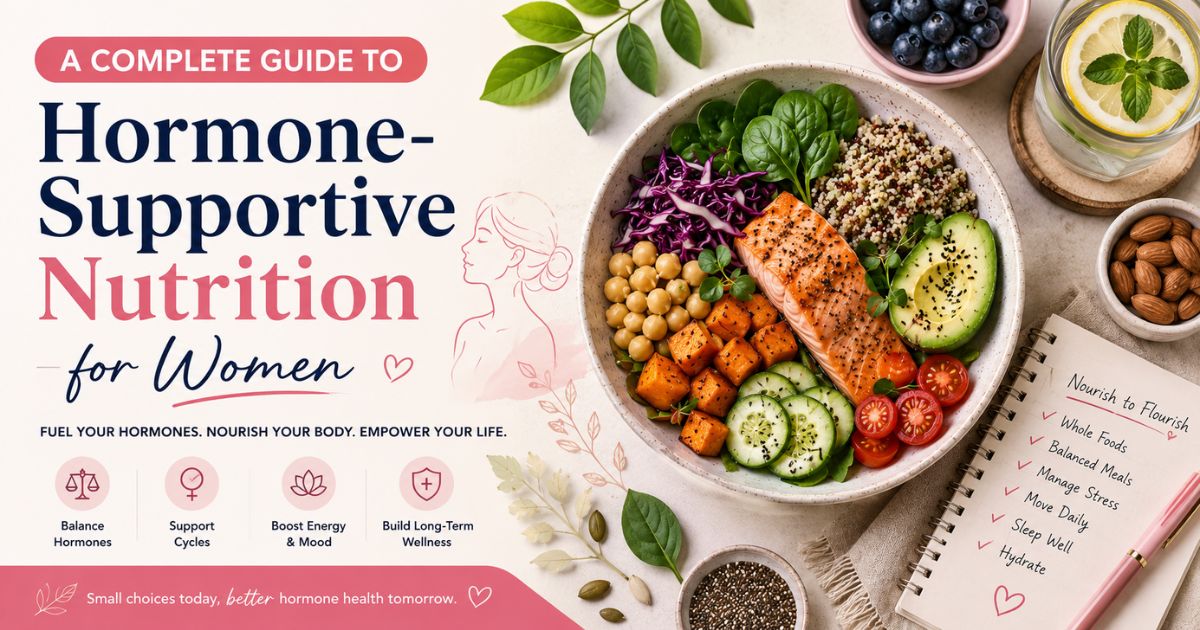
Hormones influence nearly every aspect of a woman's health—from energy levels and mood to menstrual cycles, fertility, metabolism, sleep, and long-term wellbeing.
If you've ever experienced irregular periods, stubborn fatigue, mood swings, unexplained weight changes, brain fog, acne, or worsening PMS symptoms, you may have wondered whether your hormones are involved.
While nutrition alone cannot cure hormonal conditions, the foods you eat can play an important role in supporting healthy hormonal function. A well-designed hormone balancing diet can help provide the nutrients your body needs to produce, regulate, and metabolize hormones effectively.
At NexaFem, we believe that understanding your body's signals is one of the most powerful forms of preventive healthcare. Hormonal intelligence begins with awareness, and nutrition is one of the most accessible tools available to support women's hormone health throughout every stage of life.
Quick Summary (TL;DR)
A hormone balancing diet focuses on nutrient-dense foods that support hormone production and regulation.
Protein, fiber, healthy fats, and blood sugar stability are key pillars of hormone-supportive nutrition.
Hormone-balancing foods may help support menstrual health, fertility, PCOS management, and healthy aging.
Nutrition works best when combined with sleep, physical activity, stress management, and preventive healthcare.
Persistent hormonal symptoms should always be evaluated by a qualified healthcare professional.
What Is a Hormone Balancing Diet?
A hormone balancing diet is an eating pattern designed to support the body's natural hormonal processes by emphasizing nutrient-rich foods while minimizing factors that may contribute to hormonal disruption.
Rather than being a restrictive diet, it focuses on:
Stable blood sugar levels
Adequate protein intake
Healthy dietary fats
Fiber-rich foods
Micronutrient sufficiency
Anti-inflammatory eating patterns
Hormones are chemical messengers produced by glands throughout the body. According to the NHS and ACOG, hormonal changes naturally occur throughout menstruation, pregnancy, postpartum recovery, perimenopause, and menopause.
Nutrition helps provide the building blocks needed for these processes.
Why Nutrition Matters for Women's Hormone Health
Hormones rely on nutrients for production, transportation, signaling, and breakdown.
Your body requires:
Amino acids from protein
Essential fatty acids
Vitamins and minerals
Adequate energy intake
Healthy digestive function
Poor dietary patterns may contribute to:
Blood sugar fluctuations
Increased inflammation
Nutrient deficiencies
Energy instability
Poor metabolic health
These factors can indirectly affect hormonal function.
Research-supported guidance from organizations such as the WHO and CDC consistently highlights nutrition as a cornerstone of preventive health and chronic disease prevention.
Common Signs That Hormonal Health May Need Attention
Hormonal symptoms vary significantly between women.
Common signs include:
Irregular menstrual cycles
Severe PMS symptoms
Heavy or painful periods
Persistent fatigue
Mood changes
Anxiety or irritability
Acne flare-ups
Hair thinning
Unexplained weight changes
Sleep disturbances
Low libido
Fertility challenges
Experiencing these symptoms does not automatically mean a hormone disorder is present, but they may warrant further evaluation.
The Foundations of Hormone-Supportive Nutrition
Prioritize Protein at Every Meal
Protein provides amino acids that support numerous physiological functions, including hormone synthesis.
Good sources include:
Fish
Eggs
Greek yogurt
Lentils
Beans
Tofu
Tempeh
Chicken
Lean meats
Aim to include a quality protein source with each meal to help support blood sugar stability and satiety.
Focus on Fiber-Rich Foods
Fiber supports digestive health and may assist the body's natural hormone metabolism processes.
Hormone-supportive fiber sources include:
Vegetables
Fruits
Whole grains
Legumes
Nuts
Seeds
Many women consume less fiber than recommended.
Increasing intake gradually can support both digestive and metabolic health.
Include Healthy Fats
Hormones rely on dietary fats for various physiological functions.
Healthy fat sources include:
Avocados
Olive oil
Nuts
Seeds
Fatty fish
Nut butters
Omega-3 fatty acids, in particular, have been associated with anti-inflammatory benefits.
Support Blood Sugar Balance
Blood sugar fluctuations may influence energy, mood, and metabolic health.
To promote stability:
Eat regular meals
Pair carbohydrates with protein
Include healthy fats
Choose minimally processed foods
Limit excessive sugary beverages
This approach is particularly relevant for women managing insulin resistance or PCOS.
For women interested in deeper guidance, a future article on "Blood Sugar Balance and Women's Hormonal Health" can provide additional support.
Best Foods for Hormonal Balance
Many women ask: "What are the best foods for hormonal balance?"
While no single food can balance hormones overnight, certain foods consistently support overall hormonal wellness.
Fatty Fish
Salmon, sardines, and mackerel provide omega-3 fatty acids and protein.
Cruciferous Vegetables
Broccoli, cauliflower, Brussels sprouts, and kale contain compounds that support normal hormone metabolism.
Legumes
Beans, lentils, and chickpeas provide fiber, protein, and micronutrients.
Seeds
Flaxseeds, pumpkin seeds, chia seeds, and sesame seeds offer fiber and healthy fats.
Berries
Rich in antioxidants and fiber, berries support overall health and inflammation management.
Leafy Greens
Spinach, kale, and Swiss chard provide important vitamins and minerals.
Whole Grains
Oats, quinoa, brown rice, and barley help support sustained energy and blood sugar regulation.
Hormone-Supportive Nutrition Across Different Life Stages
Ages 18–24
Focus on:
Building healthy eating habits
Menstrual health support
Adequate iron intake
Bone health nutrition
Ages 25–34
Priorities often include:
Fertility awareness
Stress management
Blood sugar balance
Reproductive health support
Women planning pregnancy may benefit from learning more about fertility-supportive nutrition and preconception health.
Ages 35–45
Common focuses include:
Metabolic health
Hormonal resilience
Energy management
Preventive health screening
Perimenopause and Menopause
According to NHS and ACOG guidance, hormonal fluctuations during perimenopause may affect sleep, mood, metabolism, and body composition.
Nutrition priorities include:
Protein intake
Calcium-rich foods
Vitamin D support
Heart-healthy fats
Fiber-rich foods
A dedicated guide on menopause nutrition and healthy aging can offer more detailed strategies.
Hormone-Supportive Nutrition and PCOS
Polycystic Ovary Syndrome (PCOS) is one of the most common hormonal conditions affecting women.
According to the CDC, PCOS may involve:
Irregular periods
Insulin resistance
Acne
Excess hair growth
Fertility challenges
Nutrition strategies often focus on:
Balanced meals
High-fiber foods
Protein-rich eating patterns
Blood sugar management
Women experiencing symptoms should seek medical evaluation for accurate diagnosis and personalized care.
Mental Wellness and Hormonal Health
Hormones and mental wellbeing are closely connected.
Hormonal fluctuations can influence:
Mood
Sleep quality
Stress resilience
Cognitive function
Nutrition supports brain health through:
Stable blood sugar regulation
Adequate omega-3 intake
Micronutrient sufficiency
Consistent energy availability
Combining nutrition with sleep hygiene, movement, stress management, and social support often provides the greatest benefit.
Common Mistakes Women Make When Trying to Balance Hormones
Many women unintentionally adopt habits that may undermine hormonal wellbeing.
Common examples include:
Skipping meals regularly
Following highly restrictive diets
Eliminating entire food groups unnecessarily
Over-relying on supplements
Ignoring sleep quality
Excessive exercise without adequate recovery
Following social media health trends without evidence
Sustainable habits are generally more effective than extreme approaches.
How Hormonal Imbalances Are Diagnosed
There is no single test that diagnoses every hormonal issue.
Healthcare providers may evaluate:
Medical history
Menstrual cycle patterns
Physical symptoms
Blood tests
Thyroid function
Blood sugar markers
Reproductive hormone levels
Accurate diagnosis is essential before starting treatment.
Treatment Overview
Treatment depends on the underlying cause.
Options may include:
Nutritional interventions
Lifestyle modifications
Stress management
Medical therapies
Hormonal treatments when appropriate
Management of underlying conditions such as PCOS or thyroid disorders
Nutrition is often one component of a broader treatment plan.
Lifestyle Tips That Support Hormonal Wellness
A hormone balancing diet works best when combined with healthy lifestyle habits.
Consider:
Prioritizing sleep
Engaging in regular physical activity
Managing chronic stress
Staying hydrated
Limiting smoking
Moderating alcohol consumption
Attending preventive health checkups
Women can also benefit from tools such as a symptom tracker, menstrual cycle insights dashboard, and personalized hormone health assessment to better understand patterns over time.
When to See a Doctor
Seek professional medical advice if you experience:
Persistent irregular periods
Significant menstrual changes
Fertility difficulties
Severe fatigue
Sudden weight changes
New hair loss
Severe mood symptoms
Symptoms affecting daily life
Early evaluation often improves outcomes.
Red Flag Symptoms
Seek prompt medical attention if you experience:
Heavy bleeding causing dizziness
Bleeding after menopause
Severe pelvic pain
Sudden vision changes
Severe headaches with hormonal symptoms
Fainting episodes
Rapid unexplained weight loss
Disclaimer
This article is provided for informational and educational purposes only and is not intended to replace professional medical advice, diagnosis, or treatment. Health information can vary based on individual circumstances. Always consult a qualified healthcare professional, gynecologist, endocrinologist, or registered dietitian for personalized medical guidance regarding symptoms, hormonal concerns, diagnosis, or treatment decisions. Never delay seeking professional medical care based on information presented in this article.
Frequently Asked Questions
Share this post
Comments (0)
No comments yet. Be the first to comment!