
How Menstrual Tracking Helps You Understand Hormonal Health: A Complete Guide to Cycle Awareness
Learn how menstrual tracking helps you understand hormonal health, identify cycle patterns, and support long-term wellness.

Many women spend years living with symptoms they believe are "normal."
Irregular periods. Mood swings. Fatigue. Acne. Heavy bleeding. Sleep problems. Sudden changes in energy or appetite.
Because these symptoms often appear gradually, it can be difficult to recognize that they may be connected to hormonal changes occurring throughout the menstrual cycle.
This is where menstrual tracking becomes incredibly valuable.
Tracking your menstrual cycle is not just about predicting your next period. It is one of the most accessible ways to gain insight into your body's hormonal patterns, identify potential concerns early, and better understand how your health changes throughout the month.
At NexaFem, we believe menstrual intelligence is the foundation of hormonal intelligence. By learning to recognize patterns in your cycle, symptoms, and overall wellbeing, you can make more informed decisions about your health and seek support when needed.
Quick Summary (TL;DR)
Menstrual tracking helps identify patterns in hormones, symptoms, and overall health.
Tracking periods can support early recognition of conditions such as PCOS, thyroid disorders, and menstrual irregularities.
Monitoring symptoms may improve communication with healthcare providers.
Lifestyle habits, including a hormone balancing diet, can influence cycle health.
Menstrual tracking is a preventive health tool that supports long-term women's wellness.
What Is Menstrual Tracking?
Menstrual tracking is the practice of recording information about your menstrual cycle over time.
This can include:
Period start and end dates
Cycle length
Bleeding patterns
PMS symptoms
Mood changes
Sleep quality
Energy levels
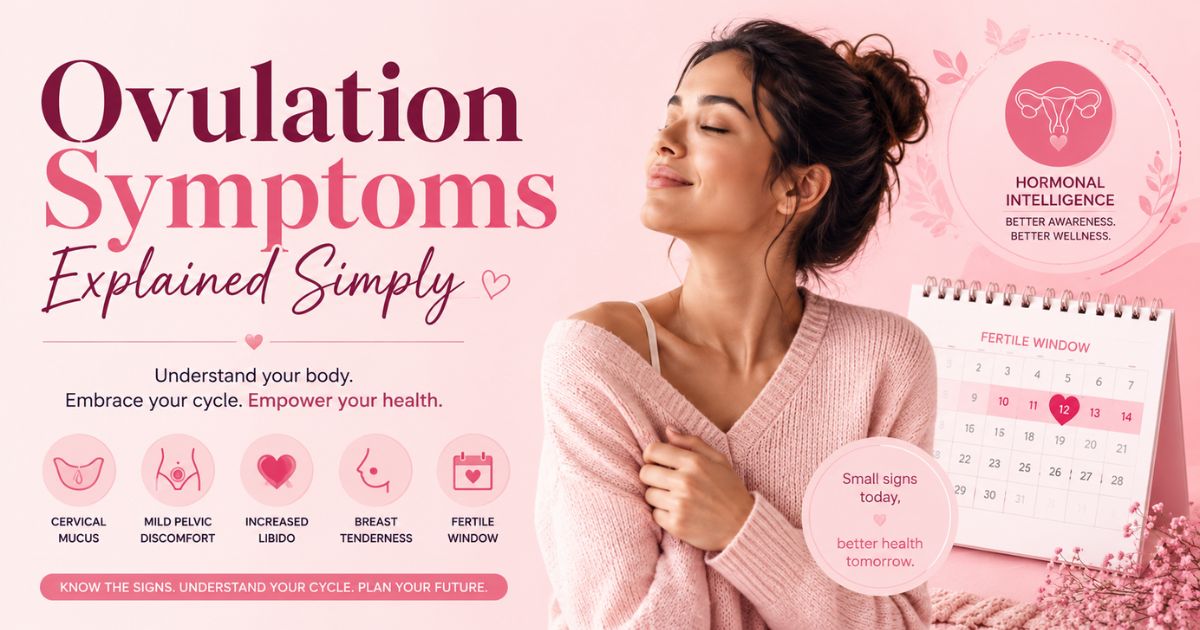
Cervical mucus changes
Ovulation symptoms
Physical symptoms such as cramps or headaches
According to the NHS and ACOG, understanding menstrual cycle patterns can help women recognize changes that may require medical attention.
How Does Menstrual Tracking Help You Understand Hormonal Health?
Direct Answer
Menstrual tracking helps you understand hormonal health because hormones control the menstrual cycle. Changes in cycle length, bleeding patterns, mood, energy, and physical symptoms can provide clues about how hormones are functioning throughout the month.
Your cycle acts as a monthly health report.
Hormonal shifts involving estrogen, progesterone, follicle-stimulating hormone (FSH), and luteinizing hormone (LH) influence what you experience physically and emotionally.
Tracking helps reveal these patterns.
Why Your Menstrual Cycle Is a Vital Sign
Many healthcare professionals now consider the menstrual cycle an important indicator of overall health.
The American College of Obstetricians and Gynecologists (ACOG) has described the menstrual cycle as a vital sign because changes can signal underlying health concerns.
A healthy cycle may reflect:
Balanced reproductive hormones
Adequate nutrition
Healthy energy availability
Appropriate stress management
Good overall wellbeing
When patterns change unexpectedly, it may indicate a need for further evaluation.
What Hormonal Patterns Can Menstrual Tracking Reveal?
Irregular Ovulation
Ovulation does not always occur consistently.
Tracking may reveal:
Long cycles
Missed periods
Unpredictable cycle lengths
These patterns may occur with PCOS, thyroid disorders, stress, or other medical conditions.
Estrogen Fluctuations
Changes in estrogen levels may contribute to:
Breast tenderness
Mood changes
Heavy periods
Headaches
Tracking helps identify recurring patterns that align with different phases of the cycle.
Progesterone Changes
Low progesterone may be associated with:
Spotting before periods
Short cycles
Sleep disturbances
Premenstrual symptoms
While tracking cannot diagnose hormone deficiencies, it can provide valuable information for healthcare evaluation.
Symptoms Worth Tracking
Many women focus only on period dates.
However, tracking symptoms often provides the most meaningful insights.
Consider recording:
Cramping
Bloating
Breast tenderness
Acne
Anxiety
Irritability
Depression symptoms
Sleep quality
Energy levels
Digestive symptoms
Headaches
Food cravings
Over time, patterns become easier to recognize.
Can Menstrual Tracking Help Detect Health Conditions?
Menstrual tracking cannot diagnose medical conditions, but it may highlight patterns that deserve attention.
Polycystic Ovary Syndrome (PCOS)
PCOS commonly affects cycle regularity.
Tracking may reveal:
Long cycles
Missed periods
Irregular ovulation
Women experiencing these symptoms may benefit from learning more about understanding PCOS symptoms and early warning signs.
Thyroid Disorders
The thyroid plays an important role in hormonal regulation.
Signs may include:
Irregular periods
Heavy bleeding
Fatigue
Weight changes
Perimenopause
During perimenopause, hormonal fluctuations can create noticeable cycle changes.
Tracking may help identify:
Shorter cycles
Longer cycles
Changes in bleeding patterns
Sleep disturbances
Hot flashes
A dedicated guide on perimenopause symptoms and hormonal changes can provide additional support.
Menstrual Tracking and Mental Wellness
Hormones influence much more than reproduction.
Many women notice predictable changes in:
Mood
Stress tolerance
Focus
Motivation
Emotional resilience
Tracking emotional wellbeing alongside cycle data can improve self-awareness and reduce confusion around recurring symptoms.
Understanding these patterns often helps women feel more in control and less overwhelmed by monthly changes.
The Role of Nutrition in Cycle and Hormonal Health
Although menstrual tracking provides valuable information, lifestyle factors also influence hormonal wellbeing.
Nutrition is particularly important.
A hormone balancing diet focuses on supporting the body's natural hormonal processes through adequate protein, fiber, healthy fats, and micronutrients.
Examples of foods for hormonal balance include:
Fatty fish
Nuts and seeds
Legumes
Whole grains
Fruits
Vegetables
Hormone-supportive nutrition cannot cure hormonal disorders, but it may help support overall women's hormone health and metabolic wellbeing.
Women who track both symptoms and dietary patterns often gain deeper insight into how nutrition affects their cycle.
For example, some women notice improvements after adopting hormone-balancing foods and more consistent eating habits.
Common Mistakes Women Make When Tracking Their Cycle
Tracking is most effective when done consistently.
Common mistakes include:
Tracking only period dates
Ignoring symptoms
Recording information inconsistently
Assuming apps automatically diagnose conditions
Not discussing concerning patterns with healthcare professionals
Menstrual tracking should complement medical care, not replace it.
Lifestyle Tips That Support Hormonal Health
Tracking works best when combined with healthy lifestyle habits.
Consider:
Prioritizing sleep
Managing stress
Staying physically active
Following a hormone balancing diet
Staying hydrated
Limiting smoking
Scheduling preventive health screenings
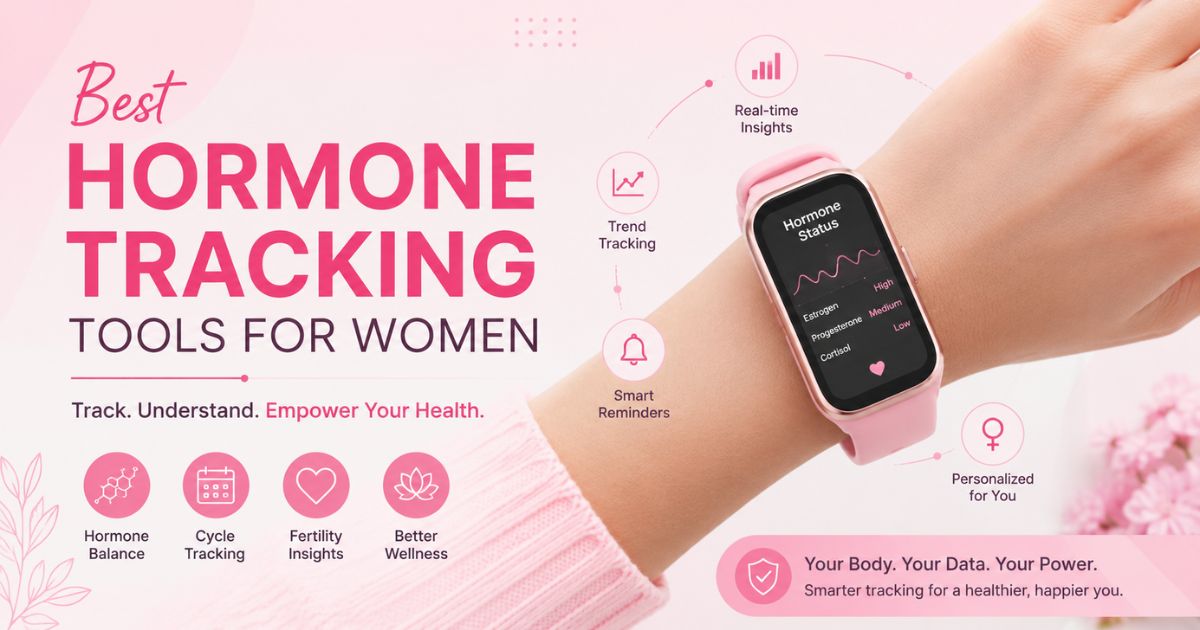
Women can also benefit from using a symptom tracker, menstrual health insights dashboard, and personalized hormonal wellness assessment to better understand long-term patterns.
When to See a Doctor
Seek professional evaluation if you experience:
Periods occurring less than every 90 days
Extremely heavy bleeding
Severe menstrual pain
Persistent irregular cycles
Fertility concerns
Significant changes in cycle patterns
Symptoms interfering with daily life
According to NHS and NICE guidance, ongoing menstrual irregularities should not be ignored.
Red Flag Symptoms
Seek prompt medical care if you experience:
Bleeding after menopause
Very heavy bleeding causing dizziness
Severe pelvic pain
Fainting episodes
Sudden unexplained weight loss
New severe headaches with neurological symptoms
Treatment Overview
Treatment depends on the underlying cause of symptoms.
Management may include:
Lifestyle changes
Hormone therapy when appropriate
Medical treatment for PCOS
Thyroid disorder treatment
Nutritional support
Mental health support
Accurate diagnosis remains essential.
Disclaimer
This article is intended for informational and educational purposes only and should not be considered medical advice. It is not a substitute for professional diagnosis, treatment, or individualized healthcare recommendations. Always consult a qualified healthcare professional, gynecologist, endocrinologist, or registered healthcare provider regarding any symptoms, menstrual concerns, hormonal changes, or medical conditions. Never disregard professional medical advice based on information found in this article.
Frequently Asked Questions
Share this post
Comments (0)
No comments yet. Be the first to comment!