
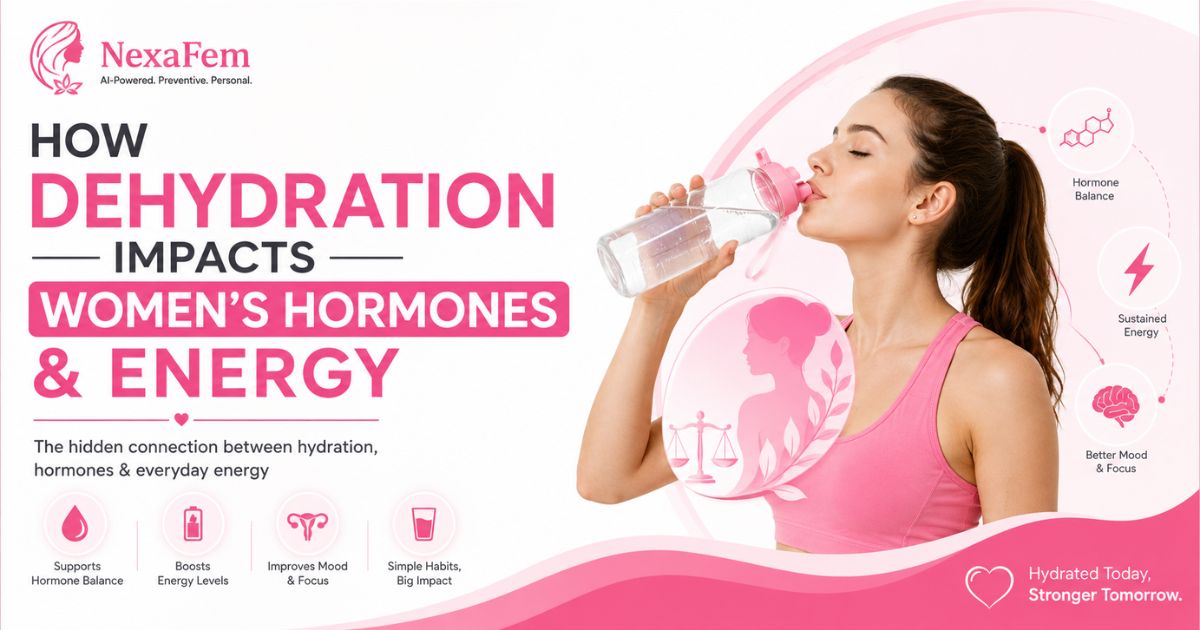
How Dehydration Impacts Women’s Hormones & Energy: The Hidden Connection Every Woman Should Know
Learn how dehydration affects women's hormones, energy, mood, and overall health. Discover symptoms, prevention tips, and when to seek help.
Have you ever felt unusually tired, irritable, foggy, or emotionally overwhelmed—even after getting enough sleep?
Many women assume these symptoms are caused by stress, hormones, or a busy lifestyle. While those factors certainly play a role, there is another often-overlooked contributor: dehydration.
Water is essential for nearly every function in the human body. Yet many women do not realize that even mild dehydration can influence hormone regulation, energy production, mood, metabolism, and cognitive performance.
The relationship between dehydration and women's hormones is more significant than many people think. Hydration affects how hormones are produced, transported, and utilized throughout the body. When fluid levels drop, hormonal balance can become more difficult to maintain, particularly during menstruation, pregnancy, postpartum recovery, perimenopause, and menopause.
Understanding this connection can help women recognize symptoms earlier, make informed lifestyle choices, and support long-term hormonal wellness.
Quick Summary (TL;DR)
Even mild dehydration can affect hormone regulation and energy levels.
Dehydration may increase stress hormones like cortisol and contribute to fatigue.
Women may be particularly vulnerable during menstruation, pregnancy, and perimenopause.
Proper hydration supports metabolism, mood, concentration, and hormone balance.
Persistent fatigue, dizziness, or signs of severe dehydration should be evaluated by a healthcare professional.
What Is Dehydration?
Dehydration occurs when the body loses more fluids than it takes in.
According to guidance from the NHS and CDC, dehydration can develop due to inadequate fluid intake, excessive sweating, illness, vomiting, diarrhea, intense exercise, hot weather, or certain medications.
Common signs include:
Thirst
Dry mouth
Headaches
Dark-colored urine
Dizziness
Fatigue
Reduced concentration
Even mild fluid loss can begin affecting physical and mental performance.
Sources:
NHS Hydration Guidance: NHS Hydration Advice
How Does Hydration Affect Hormones?
Hormones are chemical messengers that travel through the bloodstream to regulate vital processes including:
Menstrual cycles
Stress response
Fertility
Metabolism
Sleep
Mood
Energy production
Because blood is largely composed of water, hydration plays an important role in hormone transport and cellular communication.
When dehydration occurs, the body prioritizes survival mechanisms. This can influence hormone signaling and trigger physiological stress responses.
The Stress Hormone Connection
One of the most significant hormonal effects of dehydration involves cortisol.
Cortisol is often called the body's primary stress hormone. Research suggests that dehydration can increase cortisol production as the body attempts to conserve fluids and maintain blood pressure.
Elevated cortisol levels may contribute to:
Increased fatigue
Mood changes
Poor sleep quality
Brain fog
Reduced resilience to stress
This may explain why dehydration often feels like more than simple thirst.
Source:
CDC Healthy Hydration Information: CDC Hydration Guidance
Dehydration and Women's Hormones: Why Women May Be More Sensitive
Women experience unique hormonal fluctuations throughout life.
Hormone levels naturally shift during:
Menstrual cycles
Pregnancy
Postpartum recovery
Perimenopause
Menopause
These hormonal transitions can influence fluid balance, thirst signals, and electrolyte regulation.
During the Menstrual Cycle
Estrogen and progesterone influence fluid retention.
Many women notice:
Bloating
Increased thirst
Water retention
Changes in energy levels
Inadequate hydration during this phase may worsen fatigue and headaches.
Women experiencing significant menstrual symptoms may also benefit from understanding the connection between hydration and menstrual health as part of a broader hormone-supportive lifestyle.
During Pregnancy
Adequate hydration becomes even more important during pregnancy because blood volume increases significantly.
Dehydration during pregnancy may contribute to:
Dizziness
Headaches
Fatigue
Reduced physical comfort
The WHO emphasizes the importance of proper hydration and nutrition throughout pregnancy for maternal health.
Source:
WHO Maternal Health: World Health Organization Maternal Health Resources
During Perimenopause and Menopause
Hormonal shifts may contribute to:
Night sweats
Hot flashes
Increased fluid loss
Dry skin
Reduced energy
For many women, improving hydration habits becomes an important component of menopause wellness strategies.
Can Dehydration Cause Fatigue?
Short Answer: Yes
One of the most common symptoms associated with fatigue and dehydration in women is a noticeable drop in physical and mental energy.
When hydration levels decrease:
Blood volume may decline
Oxygen delivery becomes less efficient
Heart rate may increase
Muscles work harder
Cognitive performance may suffer
Women often describe this as:
Feeling drained
Mental fog
Difficulty concentrating
Lack of motivation
Reduced exercise performance
Effects of Dehydration on Women's Health
Hydration influences far more than thirst.
Physical Effects
Dehydration may contribute to:
Headaches
Muscle cramps
Dizziness
Dry skin
Constipation
Reduced exercise tolerance
Mental and Emotional Effects
Research suggests dehydration can negatively affect:
Mood
Focus
Memory
Alertness
Stress tolerance
For women already managing hormonal fluctuations, dehydration can sometimes intensify emotional and cognitive symptoms.
Hormonal Effects
Potential hormonal impacts include:
Increased cortisol activity
Disrupted stress response
Reduced physiological resilience
Increased fatigue
Although dehydration alone does not directly cause major endocrine disorders, chronic inadequate hydration may contribute to overall physiological stress.
Who Is Most at Risk?
Certain women may have a higher risk of dehydration.
Risk factors include:
Intense physical activity
Hot climates
Pregnancy
Breastfeeding
Perimenopause
Menopause
Gastrointestinal illness
High caffeine intake
Certain medications
Women with conditions such as PCOS or metabolic concerns should also prioritize hydration as part of a broader wellness strategy.
How Is Dehydration Diagnosed?
Healthcare professionals typically evaluate:
Symptoms
Medical history
Physical examination
Urine analysis
Blood tests when necessary
Mild dehydration is often identified through symptoms and hydration history.
Severe dehydration requires urgent medical assessment.
Hydration for Hormone Balance
While hydration is not a cure-all, it is a foundational component of hormone-supportive health.
Daily Hydration Habits
Try to:
Drink water consistently throughout the day
Increase fluids during exercise
Monitor urine color
Consume hydrating foods
Adjust intake during hot weather
Hydrating Foods
Foods that support hydration include:
Cucumber
Watermelon
Strawberries
Oranges
Lettuce
Tomatoes
These foods also provide vitamins, minerals, and antioxidants that support overall health.
Electrolyte Balance Matters Too
Hydration involves more than water alone.
Electrolytes such as:
Sodium
Potassium
Magnesium
help regulate fluid balance and cellular function.
Women experiencing heavy sweating, intense exercise, or illness may need additional electrolyte support.
Common Mistakes Women Make
Many women unknowingly undermine their hydration status.
Common mistakes include:
Waiting until they feel thirsty
Replacing water with sugary drinks
Ignoring hydration during menstruation
Not increasing fluids during exercise
Overlooking hydration during menopause
Assuming fatigue is always hormonal
Lifestyle Tips for Better Hydration
Small daily habits can make a significant difference.
Consider:
Starting the day with a glass of water
Carrying a reusable water bottle
Setting hydration reminders
Eating more water-rich foods
Tracking hydration using a personalized wellness tracker
AI-powered symptom tracking and hydration monitoring tools can also help women recognize patterns between hydration, energy levels, and menstrual health over time.
When to See a Doctor
Consult a healthcare professional if you experience:
Persistent fatigue
Ongoing dizziness
Frequent headaches
Significant weakness
Recurrent dehydration symptoms
Unexplained hormonal symptoms
Early evaluation can help identify underlying medical conditions that may require treatment.
Red Flag Symptoms
Seek urgent medical care if you experience:
Confusion
Fainting
Rapid heartbeat
Very little urine output
Severe dizziness
Difficulty staying awake
These symptoms may indicate severe dehydration and require prompt medical attention.
Final Thoughts
The connection between dehydration and women's hormones is often underestimated.
While hydration alone cannot solve every hormonal challenge, it plays a fundamental role in supporting energy, mood, cognitive function, stress resilience, and overall well-being.
For women navigating menstrual changes, fertility planning, pregnancy, perimenopause, or everyday wellness, hydration is one of the simplest yet most powerful preventive health habits available.
At NexaFem, we believe that preventive healthcare begins with awareness. By combining hormonal intelligence, symptom awareness, and AI-powered wellness insights, women can better understand their bodies and take proactive steps toward long-term health.
Healthy hormones do not depend on perfection. They depend on consistent support—and hydration is one of the most important places to start.
NHS – Water, Drinks and Hydration
https://www.nhs.uk/live-well/eat-well/food-guidelines-and-food-labels/water-drinks-nutrition/
CDC – Water and Healthier Drinks
https://www.cdc.gov/healthy-weight-growth/water-healthy-drinks/index.htmlWorld Health Organization – Maternal Health
https://www.who.int/health-topics/maternal-healthAmerican College of Obstetricians and Gynecologists (ACOG)
https://www.acog.orgNational Institute for Health and Care Excellence (NICE)
https://www.nice.org.uk
Disclaimer
This article is intended for informational and educational purposes only and should not be considered medical advice. The information provided is not a substitute for professional medical evaluation, diagnosis, or treatment. Always consult a qualified healthcare professional or licensed physician regarding any symptoms, health concerns, or medical conditions. Never disregard professional medical advice or delay seeking treatment because of information you have read in this article.
Frequently Asked Questions
Share this post
Comments (0)
No comments yet. Be the first to comment!