
Hormonal Imbalance in Women: Symptoms, Causes, Treatment & Natural Solutions
Learn the common hormonal imbalance symptoms in women, causes, diagnosis, treatment options, and natural lifestyle strategies for better hormonal health.
Hormones quietly influence nearly every aspect of a woman's health. From energy levels and mood to metabolism, fertility, sleep, and menstrual cycles, these chemical messengers help keep the body functioning smoothly.
But when hormones become imbalanced, the effects can feel frustrating, confusing, and sometimes overwhelming.
Perhaps you've noticed unexplained fatigue, irregular periods, stubborn weight gain, mood swings, acne, or trouble sleeping. You may wonder whether these changes are simply part of a busy lifestyle or signs that something deeper is happening.
The good news is that hormonal imbalances are common, and many causes can be identified and managed with the right support, lifestyle changes, and medical care when needed.
At NexaFem, we believe that understanding your body's signals is the first step toward preventive health and long-term wellness. The more informed you are, the better equipped you become to recognize changes early and seek appropriate care.
Quick Summary (TL;DR)
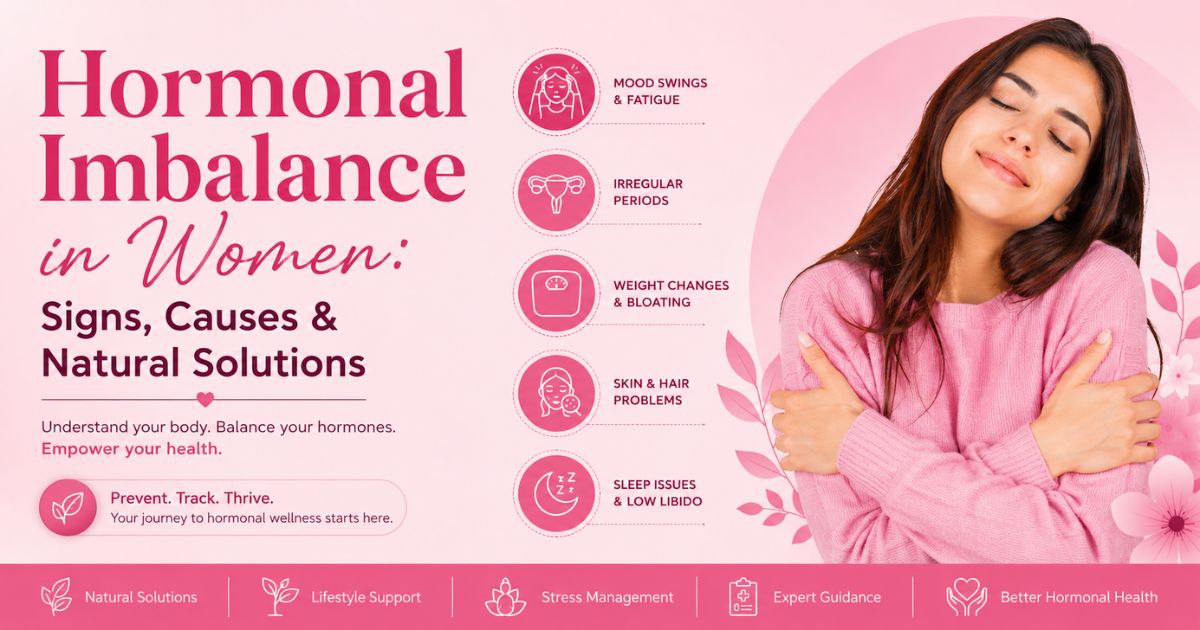
Hormonal imbalance symptoms can include irregular periods, fatigue, mood changes, weight fluctuations, acne, sleep disturbances, and fertility challenges.
Common causes include PCOS, thyroid disorders, stress, perimenopause, certain medications, and lifestyle factors.
Diagnosis often involves a combination of symptom assessment, medical history, physical examination, and laboratory testing.
Healthy nutrition, regular exercise, quality sleep, stress management, and preventive healthcare can support hormonal wellness.
Persistent or severe symptoms should be evaluated by a qualified healthcare professional.
What Is a Hormonal Imbalance?
A hormonal imbalance occurs when there is too much or too little of one or more hormones in the body.
Hormones are produced by endocrine glands and travel through the bloodstream to regulate important functions, including:
Menstrual cycles
Fertility and ovulation
Metabolism
Mood and emotional health
Sleep
Growth and development
Sexual health
Blood sugar regulation
Stress response
Even small hormonal changes can affect how you feel physically and emotionally.
According to guidance from the NHS and major women's health organizations, hormonal fluctuations are a natural part of life. However, persistent symptoms may indicate an underlying health condition that deserves attention.
Source: NHS Women's Health Information
https://www.nhs.uk
What Are the Most Common Hormonal Imbalance Symptoms?
Hormonal imbalance symptoms vary depending on age, health status, and which hormones are affected.
Menstrual Changes
One of the earliest signs of hormone disruption often involves the menstrual cycle.
Symptoms may include:
Irregular periods
Missed periods
Heavy bleeding
Light bleeding
Frequent periods
Severe menstrual cramps
Changes in estrogen, progesterone, thyroid hormones, or reproductive hormones can contribute to these symptoms.
Unexplained Fatigue
Persistent tiredness despite adequate rest may signal hormonal issues involving:
Thyroid hormones
Cortisol
Insulin
Reproductive hormones
Many women describe feeling physically drained, mentally foggy, or unable to maintain their usual energy levels.
Mood Changes
Hormones influence neurotransmitters that affect emotional well-being.
Women may experience:
Irritability
Anxiety
Mood swings
Low mood
Increased emotional sensitivity
This is particularly common during menstrual cycle fluctuations, postpartum periods, and perimenopause.
Weight Changes
Unexpected weight gain or difficulty losing weight can sometimes be linked to hormonal shifts.
Potential contributing factors include:
Insulin resistance
PCOS
Thyroid disorders
Menopause-related changes
Skin and Hair Changes
Hormonal fluctuations may affect skin and hair health.
Possible symptoms include:
Adult acne
Oily skin
Hair thinning
Increased facial hair growth
Excessive hair shedding
Sleep Problems
Hormonal disruptions can interfere with healthy sleep patterns.
Women may notice:
Difficulty falling asleep
Frequent waking
Night sweats
Restless sleep
Reduced Libido
Changes in estrogen, testosterone, and other hormones can affect sexual desire and overall sexual wellness.
Fertility Challenges
Hormonal imbalances may interfere with ovulation and reproductive function, making conception more difficult.
If you're trying to conceive, understanding the connection between hormones and fertility awareness can be an important part of reproductive health planning.
What Causes Hormonal Imbalance in Women?
Hormonal imbalances rarely have a single cause. Often, multiple factors contribute simultaneously.
Polycystic Ovary Syndrome (PCOS)
PCOS is one of the most common hormonal conditions affecting women of reproductive age.
Symptoms may include:
Irregular periods
Acne
Weight gain
Excess facial hair
Fertility difficulties
The American College of Obstetricians and Gynecologists (ACOG) recognizes PCOS as a leading cause of ovulatory dysfunction.
Source:
https://www.acog.org
Thyroid Disorders
The thyroid gland helps regulate metabolism and energy production.
Both hypothyroidism and hyperthyroidism can affect:
Menstrual cycles
Weight
Mood
Energy levels
Fertility
Chronic Stress
Long-term stress can elevate cortisol levels and disrupt hormonal balance.
Over time, chronic stress may affect:
Sleep
Appetite
Menstrual regularity
Emotional well-being
This is one reason why stress and women's hormonal health are closely connected.
Perimenopause and Menopause
Hormonal fluctuations naturally occur as women approach menopause.
Common symptoms include:
Hot flashes
Sleep disturbances
Mood changes
Irregular periods
Vaginal dryness
The NHS and NICE identify these as common features of the menopausal transition.
Source:
https://www.nice.org.uk
Insulin Resistance
Insulin plays a crucial role in blood sugar regulation.
When cells become less responsive to insulin, hormonal disruptions may follow, particularly among women with PCOS.
Certain Medications
Some medications can influence hormone levels, including:
Hormonal contraceptives
Steroids
Certain psychiatric medications
Thyroid medications
Lifestyle Factors
Several lifestyle factors can affect hormone regulation:
Poor sleep
Sedentary behavior
Nutritional deficiencies
Smoking
Excessive alcohol consumption
Who Is at Higher Risk?
Some women may be more likely to experience hormonal imbalances.
Risk factors include:
Family history of endocrine disorders
PCOS
Thyroid disease
Diabetes
Obesity
Chronic stress
Perimenopause
Certain autoimmune conditions
Having a risk factor does not guarantee a hormonal imbalance, but it may increase the likelihood.
How Are Hormonal Imbalances Diagnosed?
Diagnosis typically begins with a thorough health assessment.
A healthcare provider may evaluate:
Medical History
Questions may include:
Menstrual cycle patterns
Pregnancy history
Symptoms
Medications
Lifestyle habits
Physical Examination
A physical exam may assess:
Weight changes
Hair growth patterns
Skin changes
Thyroid enlargement
Laboratory Testing
Depending on symptoms, testing may include:
Thyroid hormone levels
Reproductive hormones
Blood sugar measurements
Insulin markers
Imaging Studies
In some cases, imaging such as pelvic ultrasound may be recommended.
Early evaluation can help identify potential concerns before they progress.
Natural Ways to Support Hormonal Health
Lifestyle changes cannot cure every hormonal disorder, but they often play an important supportive role.
Prioritize Sleep
Quality sleep helps regulate numerous hormones.
Aim for:
Consistent sleep schedules
7–9 hours of sleep
Reduced screen exposure before bedtime
The CDC recognizes sleep as an important component of overall health and hormone regulation.
Source:
https://www.cdc.gov
Focus on Balanced Nutrition
A hormone-supportive eating pattern generally includes:
Vegetables
Fruits
Whole grains
Lean proteins
Healthy fats
Fiber-rich foods
Rather than following extreme diets, consistency and balance often provide the greatest long-term benefits.
Women interested in improving their hormone-supportive nutrition may also benefit from learning about foods that support menstrual health and metabolic wellness.
Stay Physically Active
Regular movement supports:
Insulin sensitivity
Mood
Sleep quality
Weight management
A combination of aerobic activity and strength training can be beneficial.
Manage Stress
Healthy stress-management techniques may include:
Mindfulness
Meditation
Yoga
Journaling
Therapy
Relaxation exercises
Maintain a Healthy Weight
For women who are overweight, modest and sustainable weight reduction may improve certain hormone-related conditions, particularly insulin resistance.
Track Symptoms
Keeping a record of symptoms can help identify patterns.
Using a hormone symptom tracker or menstrual health tracking tool may provide useful insights to discuss with a healthcare provider.
Mental Health and Hormonal Imbalance
Hormones and emotional health are closely connected.
When hormone levels fluctuate, some women experience:
Anxiety
Low mood
Reduced motivation
Emotional sensitivity
Difficulty concentrating
It's important to remember that these experiences are real and valid.
If emotional symptoms begin affecting daily life, professional support can be beneficial.
Mental wellness is an essential part of hormonal health not a separate issue.
Treatment Options for Hormonal Imbalance
Treatment depends on the underlying cause.
Options may include:
Lifestyle Modifications
Often recommended as a foundational strategy.
Medications
Depending on the diagnosis, treatment may involve:
Hormonal therapies
Thyroid medications
Insulin-sensitizing medications
Other targeted therapies
Specialist Care
Some women may benefit from consultation with:
Gynecologists
Endocrinologists
Fertility specialists
A personalized treatment plan is often the most effective approach.
Common Mistakes Women Make
Many women unintentionally delay diagnosis by:
Ignoring persistent symptoms
Assuming symptoms are "normal"
Following unverified online advice
Trying restrictive diets
Self-diagnosing without testing
Avoiding preventive checkups
Listening to your body and seeking evidence-based care can make a significant difference.
Lifestyle Tips for Long-Term Hormonal Wellness
Small, sustainable habits often produce the greatest results.
Consider:
Maintaining regular sleep routines
Exercising consistently
Eating balanced meals
Managing stress proactively
Scheduling routine health screenings
Monitoring menstrual cycle changes
Seeking medical advice for ongoing symptoms
Hormonal health is not about perfection. It's about awareness, consistency, and preventive care.
When Should You See a Doctor?
Consider speaking with a healthcare professional if you experience:
Persistent fatigue
Irregular periods
Severe PMS symptoms
Unexplained weight changes
Ongoing mood changes
Fertility concerns
Excessive hair growth
Significant hair loss
Early evaluation can help identify underlying causes and support timely treatment.
Red Flag Symptoms That Need Prompt Medical Attention
Seek urgent medical care if you experience:
Extremely heavy bleeding
Sudden severe pelvic pain
Fainting episodes
Severe depression
Thoughts of self-harm
Rapid unexplained weight loss
New or worsening symptoms that are severe
These symptoms may indicate conditions requiring immediate medical assessment.
Final Thoughts
Hormonal changes are a normal part of a woman's life, but persistent hormonal imbalance symptoms should not be ignored.
Your body often provides early signals when something needs attention. Recognizing those signals, understanding potential causes, and seeking appropriate care can support better long-term health outcomes.
At NexaFem, we believe women's health should move beyond reactive care and toward preventive intelligence. By combining symptom awareness, personalized wellness insights, and evidence-based education, women can make informed decisions about their health before small concerns become larger challenges.
Hormonal health is not simply about managing symptoms. It's about understanding your body, advocating for your well-being, and creating a foundation for lifelong wellness.
Sources & References
World Health Organization (WHO)
https://www.who.int
National Health Service (NHS)
https://www.nhs.uk
National Institute for Health and Care Excellence (NICE)
https://www.nice.org.uk
American College of Obstetricians and Gynecologists (ACOG)
https://www.acog.org
Centers for Disease Control and Prevention (CDC)
https://www.cdc.gov
Disclaimer
This content is provided for informational and educational purposes only and should not be considered medical advice, diagnosis, or treatment. Hormonal symptoms can have many possible causes, and individual health needs vary. Always consult a qualified healthcare professional, gynecologist, endocrinologist, or licensed medical practitioner for personalized medical guidance, diagnosis, and treatment recommendations related to your specific health concerns.
Frequently Asked Questions
Share this post
Comments (0)
No comments yet. Be the first to comment!